From regenerative agriculture and biological crop protection to robotics and indoor farming, 2025 wasn’t a year of breakthroughs—it was a year of stamina.
Many companies shut down, laid off staff, or spun off parts of their business, while capital constraints persisted but also saw possible new solutions. Policy moves, legal battles, and M&A activity further shaped the landscape, underscoring a sector still searching for scalable, durable models. And startups, scientists, investors, and others continued the long path to finding those models.
In many ways, what’s happened over the last year has set the stage for what could well be the theme in 2026: the ongoing tension between ambition and reality in agtech, and how it finally plays out.
Finance still biggest barrier in regen ag
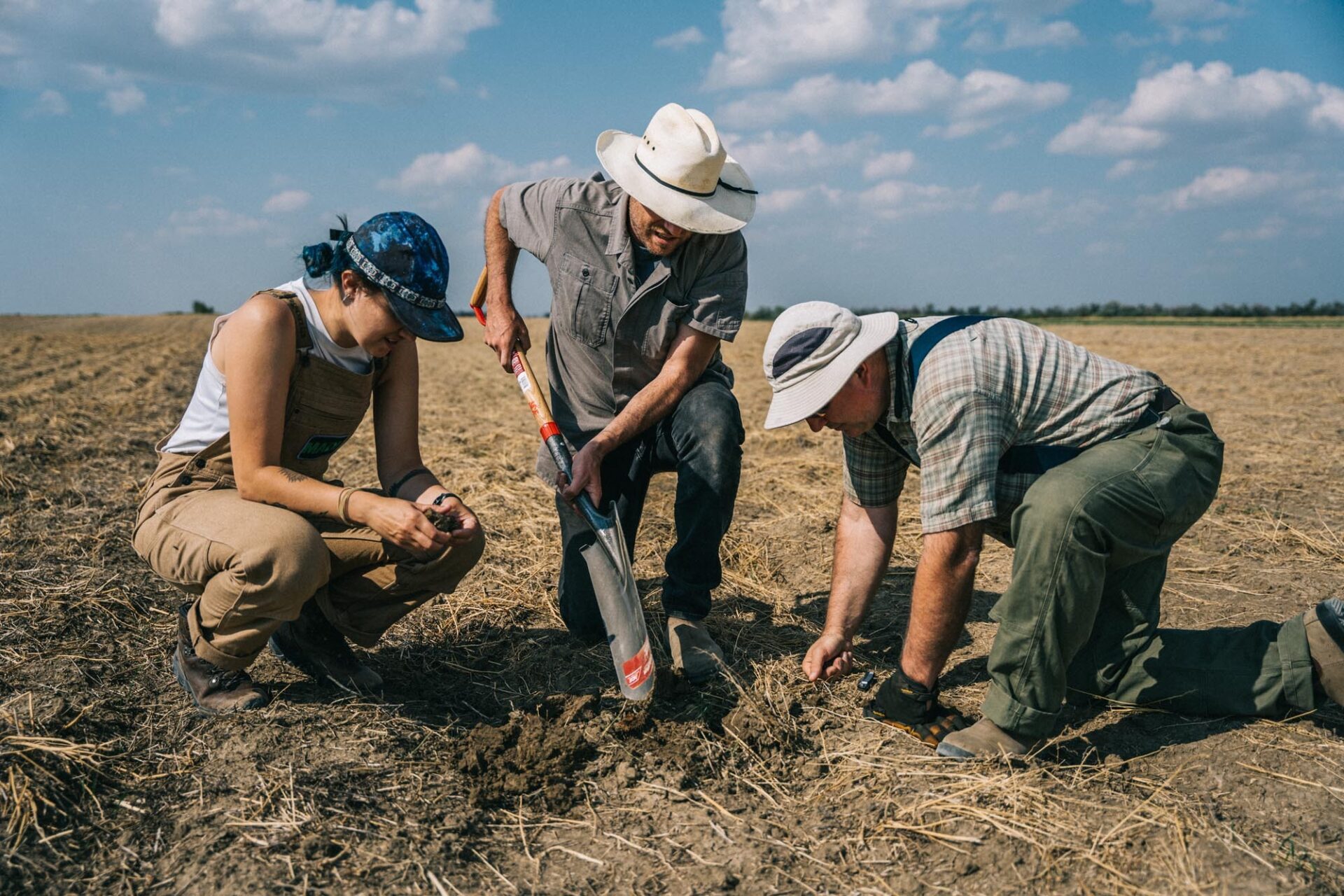
In the US, the biggest regen ag news of the year came in December when the USDA announced its $700 million Regenerative Agriculture Pilot program designed to help farmers transition to regen practices. Reactions ranged from hopes of faster financing for growers to concerns of greenwashing and a lack of funding going to smaller operations.
The success or failure of the program depends on the results that are yet to come. As Force of Nature CEO Robby Sansom put it, “By definition, a pilot program is a small-scale test to see what works before a full-scale launch. What happens next is the real test.”
Many agrifood corporates—among them ADM, McCain, and Nestlé—announced further regenerative agriculture initiations. Others, like PepsiCo, joined projects to design some new and much-needed financing models for regenerative agriculture.
Financing the transition to regenerative agriculture has barred the way for growers for years. In 2025, organizations like natural asset manager Sustainable Land Management (SLM) and impact credit firm Mad Capital increased their efforts to address this challenge through better capital models for growers.
“We are aiming to build a bridge between two distant worlds that need one another to transition our food system – Wall Street and organic farmers,” said Mad Capital CEO Brandon Welch.

Crop protection hits a turning point
The increasingly crowded biostimulant market showed signs of maturity in 2025, while experts in the ag biologicals space pointed to a greater amount of differentiation between the many offerings vying for space in the market.
“Entrepreneurs are more thoughtful, when coming with new ideas, to make sure that they look at the market map and see the unmet needs in the market instead of just repeating the story,” noted Dr. Pam Marrone, founder and chair of the Invasive Species Corporation.
Simultaneously, larger agrifood corporates brought new crop protection offerings to the table. Notably, Corteva announced its first-ever bioinsecticide, Goltrevo, which could help growers fight destructive yield losses from pests like the corn leafhopper.
Speaking of corporates, Bayer spent much of the year trying to contain its glyphosate litigation, eventually appealing to the US Supreme Court to cull some of the 67,000 cases alleging its weedkiller Roundup causes cancer.
The federal government via the Solicitor General backed Bayer on this. However, the move came just as a frequently cited paper affirming glyphosate’s safety was retracted on “ethical” grounds by the journal that published it 25 years ago.
The federal government via the Solicitor General backed Bayer on this.
However, the move came just as a frequently cited paper affirming glyphosate’s safety was retracted on “ethical” grounds by the journal that published it 25 years ago.
The turning point will almost certainly be whether the Supreme Court agrees to hear Bayer’s appeal. A decision could significantly reshape glyphosate litigation in the US in the near future.
Deere ‘bridging the gap’ between growers and robotics
Beyond scores of startups raising new capital for ag robotics and automation, the ag robotics sector also saw plenty of involvement from heavyweight OEMs like John Deere.
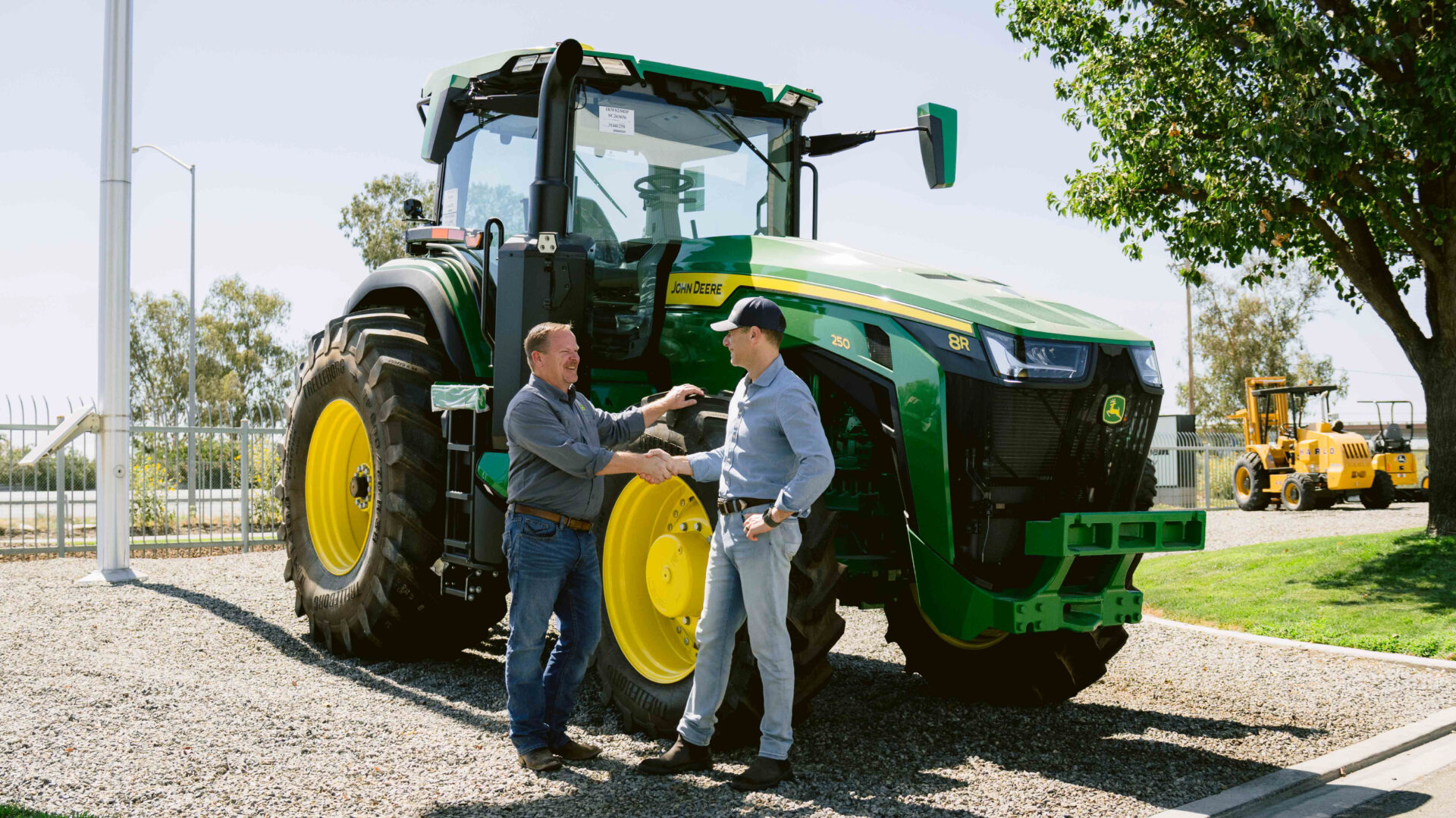
At the Consumer Electronics Show (CES) in January, Deere CTO Jahmy Hindman said the company was “taking four giant leaps forward” with the release of its latest autonomous machines. Among those machines: an autonomous tractor for large-scale agriculture and an autonomous orchard tractor.
Deere also teamed up with The Reservoir, a new initiative in California best described as an ag robotics studio, startup incubator, and investor rolled into one. In August, Deere became the exclusive OEM partner of The Reservoir and said it would “help bridge the gap between technology and growers.”
Indoor farming ‘finally delivering’ on its promise
Bookending the year were announcements from two former vertical farming unicorns.
San Francisco-based Plenty filed for Chapter 11 bankruptcy protection in March. Aerofarms announced in December it would close its microgreens facility and terminate all staff; it backtracked just days later after an existing stakeholder said it would provide funding to keep the operation running.
Meanwhile, some companies now explore promising ways to grow high-value crops like vanilla indoors.
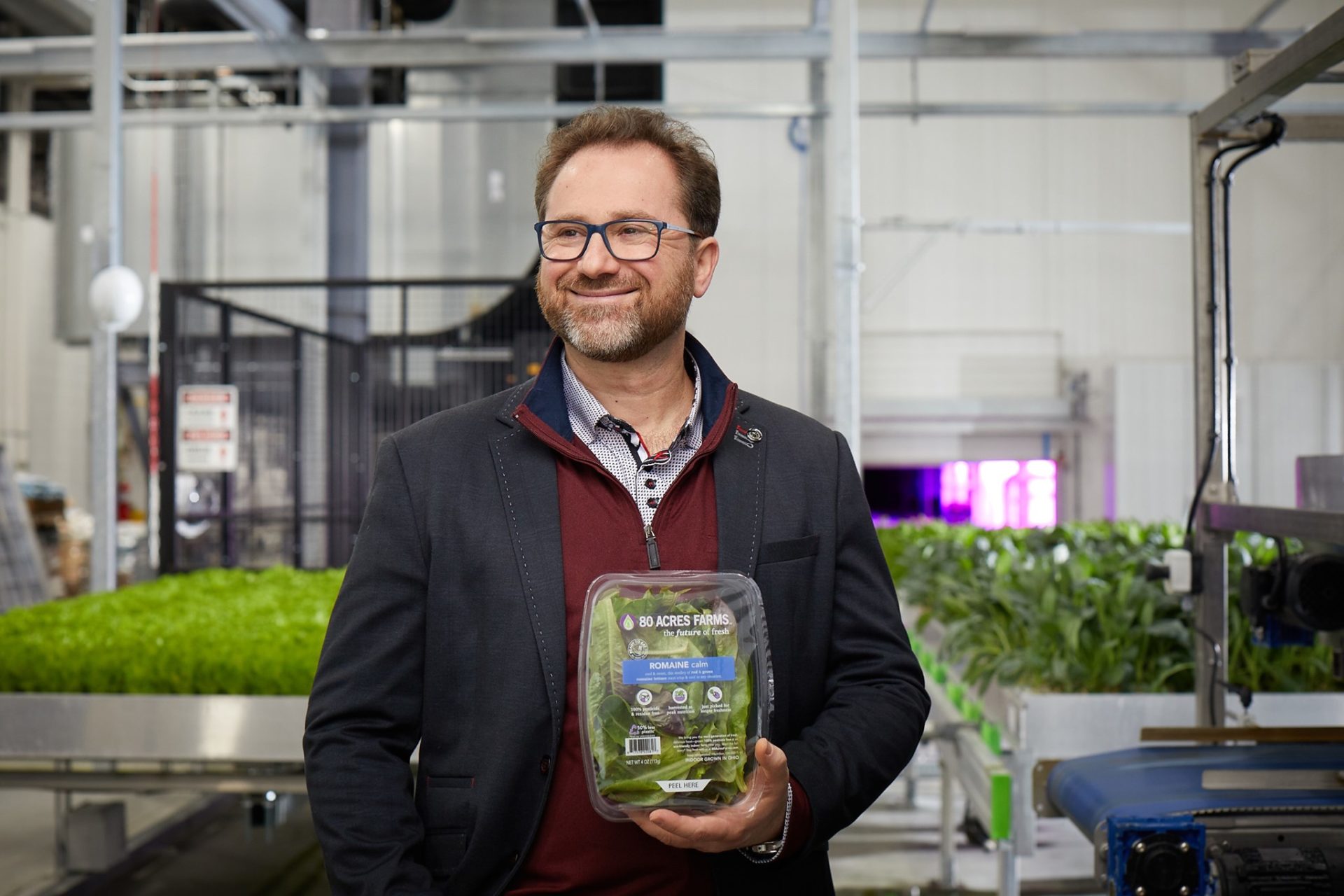
The biggest M&A deal went to vertical farming company 80 Acres Farms and indoor grower Soli Organic, which merged and now serve more than 17,000 US retail locations.
“The promise is still there and we’re finally delivering on it,” said 80 Acres CEO Mike Zelkind of indoor ag.

Also notable in 2025:
↠ Ag spray drone giant DJI faced continued scrutiny from the US government over national security.
↠ Ancient Organics Bioscience nabbed a US patent to clean up glyphosate-contaminated soils through bioremediation.
↠ Monarch Tractor announced layoffs and a possible shutdown.
↠ Ag robotics startup Naïo relaunched under new leadership after highly publicized financial difficulties and a judicial reorganization process.
↠ Farmers Business Network (FBN) spun off its global crop solutions business in order to pursue a “pure technology platform” strategy.
↠ Bayer announced icafolin-methyl, calling it the first novel mode of action for controlling weeds in more than three decades.
↠ Agribusiness giant Olam Group shut down its digital farmer services platform Jiva Ag citing the “expected continuing investment” needed to sustain the business
↠ The final report from the Make America Healthy Again Commission didn’t recommend stricter regulation of ultra-processed foods and pesticides.
↠ John Deere acquired California-based GUSS Automation, best known for its semi-autonomous sprayer
↠ Vertical farming startup Vertical Future went up for sale on insolvency market after posting pre-tax losses.
↠ San Jose-based Bonsai Robotics acquired farm-ng for an undisclosed sum.
↠ Investors took interest in virtual fencing via major fundraises for Halter and NoFence.
↠ California-based greens grown/salad producer Taylor Farms acquired ag robotics company FarmWise‘s business.
↠ Vertical farming company Oishii acquired the “key IP and assets” of harvest robotics startup Tortuga AgTech.

Sign up for our weekly newsletter.