Reactions this week to the USDA’s $700 million Regenerative Agriculture Pilot program ranged from unbridled excitement to skepticism to outright concerns of greenwashing—and they highlighted the many nuances involved with regen ag.
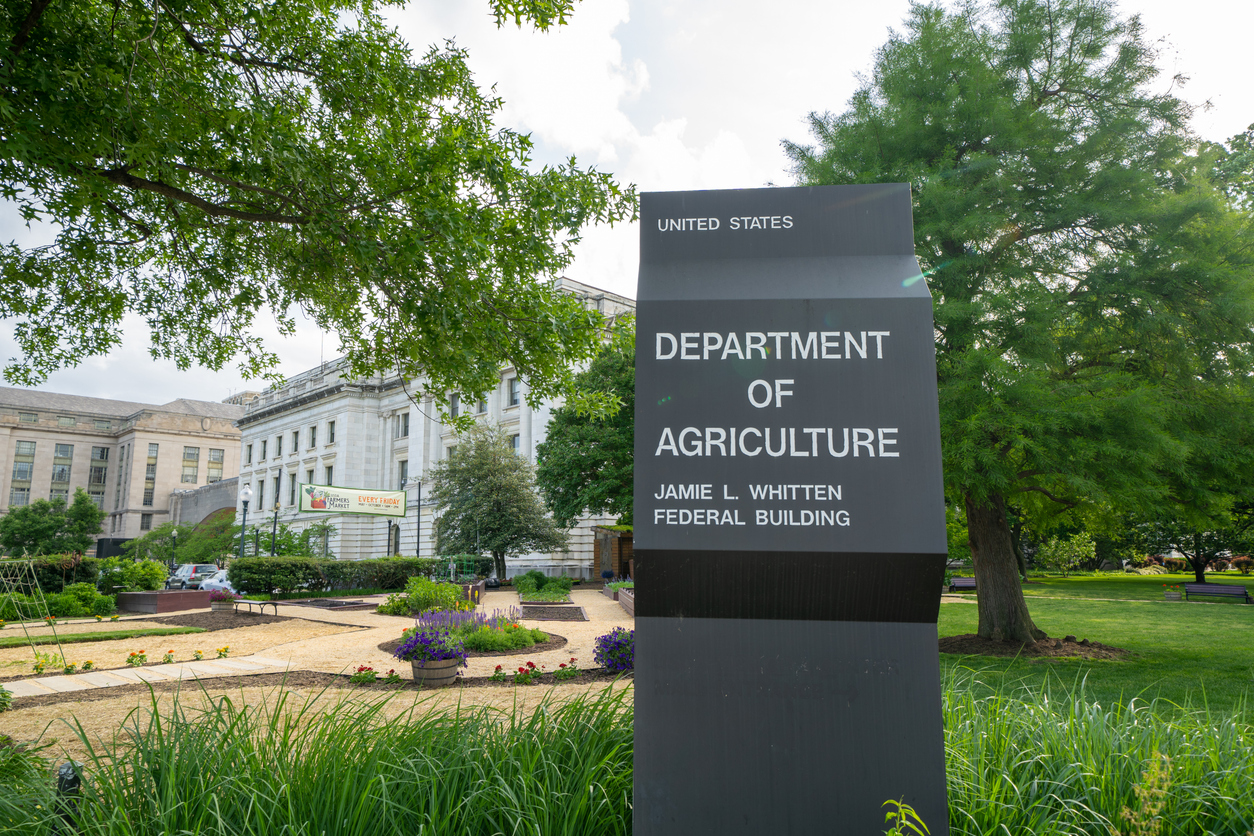
To recap, USDA said it aims to lower farmer production costs for regenerative practices and “advance” the Make America Healthy Again (MAHA) agenda. USDA’s Natural Resources Conservation Service (NRCS) will administer the program, which will start funding farmers in 2026.
‘Faster pathways’ to regen practices for farmers
Food System 6 executive director Lauren Manning wrote that the program “signals a major federal push to scale regenerative practices nationwide.”
“Even better: USDA is shifting toward a single, streamlined conservation application, so producers can check eligibility for EQIP, CSP, and other programs all at once. That means faster pathways to cost-share funding for practices like fencing, water systems, cover crops, organic transition, silvopasture, and more.”
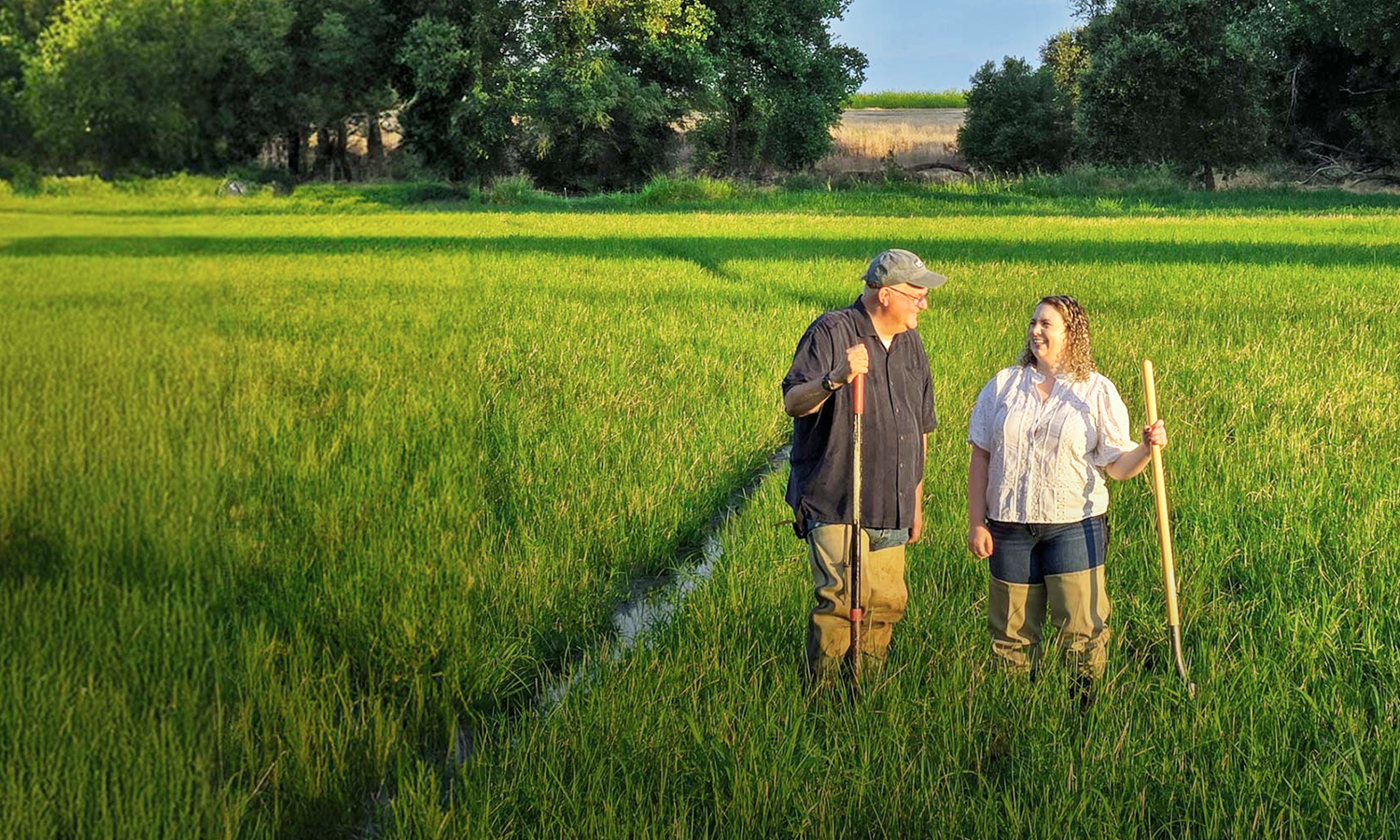
In Oregon, the Confederated Tribes of the Umatilla Indian Reservation (CTUIR), an organization building economic development through regenerative agriculture, expressed excitement over the timing of the USDA announcement.
“The Umatilla Tribe farms over 10,000 acres and has focused on protection of the land and water,” CTUIR director Bill Tovey told AgFunderNews.
“The Tribe will benefit greatly by protecting water and soil. Building back soils will increase production and lead to lower fertilizer and chemical uses. Our hope is that the funding go directly to landowners and operators.”
Likewise, Craig Stevenson, CEO at regenerative-organic certified food brand Lundberg Family Farms, expressed excitement.
“The Domestic Organic Investment Act and recent USDA announcement on regenerative land expansion funds show the increasing importance for us to invest in responsible agriculture practices that prioritize the health of our soils,” he told AgFunderNews.
“At Lundberg, we firmly believe regenerative and organic land management go hand-in-hand, and we are excited to see how these programs can better support farmers making this transition. Bipartisan support for farm bills affirms that investing in regenerative and organic is not a political stance but a shared commitment to our farmers and the land they steward, our rural communities, and a healthier future for all Americans.”
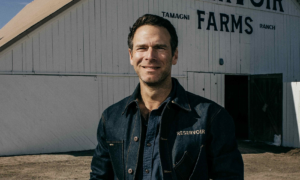
“It is especially encouraging to see the cross-departmental collaboration between the institutions of health and agriculture,” Force of Nature cofounder and CEO Robby Sansom told AgFunderNews.
“Even Secretary Rollins framed agriculture as a public health tool as part of this announcement. Despite food nutrition programs being included within the Farm Bill, I am not sure we have actually seen this sort of multi-dimensional support for initiatives like these in the past.”
He added: “While the NRCS has been around for some time, it has received inadequate attention, support, and funding. I believe doing this in partnership with them is particularly encouraging. This sort of effort may reinvigorate the NRCS in its mission, which already aligns with much of what is being addressed with this pilot.”

‘A significant step, but . . .’
“Done right, this investment will help farmers lower their input costs, break free from the export-driven commodity overproduction treadmill, and move toward healthier, more resilient, and more profitable farming systems,” said Farm Action president and cofounder Angela Huffman.
However, she underscored the need for adequate staff and funding at NRCS to make this a reality:
“If the Trump administration wants this initiative to succeed, USDA must make sure the Natural Resources Conservation Service—after significant funding cuts—has enough staff to get these dollars out quickly and fairly, reaching farmers across America, not just the largest operations by default.
“We cannot allow a repeat of the Climate-Smart Commodities program, where projects involving multinational corporations like JBS and Tyson Foods received the lion’s share of program dollars, fueling further consolidation.”
Sarah Starman, a senior campaigner at environmental organization Friends of the Earth US, echoed this:
“The USDA’s new Regenerative Agriculture Initiative is a step in the right direction and we applaud the intent. But it will only be effective if USDA reverses the past year of massive cuts to on-the-ground conservation staff. Regenerative agriculture requires whole-farm, science-based planning, and right now the agency lacks the army of specialists needed to help farmers design and implement those plans.”
David Murphy, founder of United We Eat and a former top fundraiser for RFK Jr’s presidential campaign, called the USDA announcement “a significant step in the right direction.”
“However,” he continued, “this same year, the USDA cut more than a billion dollars from local and regional food programs—such as farm-to-school and farm-to-food-bank—that provide critical markets for regenerative farmers. Clearly, there is still a long way to go.”
“If policymakers are serious about transitioning American agriculture toward farmer prosperity and soil regeneration, they should restore the thousands of recently eliminated NRCS staff positions that are essential to supporting farmers through this transition. USDA should also reinstate the many programs that have been cut this year, as outlined in the letter from MAHA leaders and MAHA-aligned farmers.”
Progress is there. So are chemicals
“The pilot demonstrates progress, to be sure. But real change isn’t likely to come until there is a true shift in acknowledging the shortcomings and harms of the conventional system,” said Force of Nature’s Sansom.
He added that the Farm Bill—a $20 billion–$30 billion program—doesn’t just promote but “enforces practices that are antithetical to what this new pilot promotes.”
One example is the use of chemicals, often required at heavy rates for crop insurance.
“It’s harmful policies like these that should be shifted to finally champion the outcomes and values at the core of this new program: regeneration, improving human health, improving soil health, improving water management, and improving ecosystem health.”
Meanwhile, Starman of Friends of the Earth also zeroed in on the role of chemical crop protection products in regen ag: “Phasing out harmful agrochemicals – the synthetic pesticides and fertilizers that harm human health and degrade soil health – must be at the center of any regenerative program.
“The new initiative’s incentives for Integrated Pest Management fall far short of what is needed to help farmers get off the pesticide treadmill and spur a transition to a truly regenerative food system. The initiative must be updated to include specific, measurable incentives for deep reductions in agrochemical use if it is to deliver truly healthy, resilient soils and promote human health.”
The broader context
“I see this serving as a strong signal that regenerative agriculture is a viable investment that must not be overlooked,” Regenerative Food Systems Investment forum managing director and founder Sarah Day Levesque told AgFunderNews.
“I’m very encouraged by the attention around protecting topsoil and soil microbiomes, making funding less administratively burdensome for farmers, and better connecting soil health to human health outcomes. I hope this reflects a larger shift in policy.
“At the same time, I think it’s important to view this in the broader context of larger cuts to agriculture programs in 2025—cuts that disproportionately affected regenerative and climate-smart agriculture, specialty crops, historically underserved farmers, and local food systems. The real measure of impact will come through the details and execution.”
“It is important that we all remember the government can’t and won’t solve all of our problems,” said Sansom.
“The very reason this initiative is happening is because consumers have, for years, stood up and spoken up for their values. We all need to continue to champion our values in the free market to continue to put pressure on producers, retailers, brands—and ultimately the government—to make the improvements we desire to leave this world a better place for future generations.
“By definition, a pilot program is a small-scale test to see what works before a full-scale launch. What happens next is the real test.”