As we approach 2026, what is keeping agrifoodtech startups awake at night? To find out, we fired off some emails to companies we’ve covered on AgFunderNews this year to get a sense of what is disrupting their sleep.
The grim funding environment and regulatory hurdles dominated the list, but other things are also worrying founders, from ESG backsliding to trade issues and keeping up with AI.
👉 If you’re feeling depressed after reading this, check out part one of our vox pop, which was all about what founders and CEOs are excited about as the year comes to a close.
Tony Martens, cofounder and CEO, Plantible: Fundraising remains a top concern given the complete lack of funding in the space. Two years ago we were talking about the winter being over in the next summer, but it feels like we are entering the ice age. M&A and exit pathways need to be established for the industry to come back alive.
Eric Smith, founder and CEO, Edacious: What keeps me awake at night is the foundational mismatch between cash needs to build the innovations the market is asking for and valuations needed to support those cash needs.
Ibrahim Ashqar, cofounder and CEO, Lumi AI: We just hired a strong head of marketing, and I’m confident he’ll fix our top-of-funnel challenges. What worries me is whether we can capture that demand effectively. Users often expect perfect answers from day one, rather than understanding that they’ll need to validate Lumi’s output and nudge it when it drifts. If we can’t align expectations and show clear value early, we risk stalling revenue growth, struggling to raise, and failing before we reach our potential. [Disclosure: AgFunderNews’ parent company AgFunder is an investor.]
Frank Jaksch, CEO, Ayana Bio: What keeps me awake at night is what keeps most startups awake, fundraising, but with a slight nuance for those of us in foodtech and agtech. The capital environment for high-tech fermentation and cellular agriculture, previously referred to as “synthetic biology” and once the fastest-growing sector in US innovation, has slowed to a crawl.
That stall has created a vacuum, and countries like China and India are moving quickly to fill it with billions of dollars in new bioeconomy infrastructure. A recent report shows China alone has identified 43 companies that will build biomanufacturing facilities by 2027, with food-ingredient production representing the largest share in capacity.
By the time the funding environment turns around in the US and Europe, it may be too late. China and India will have a considerable, and perhaps insurmountable, head start in owning and controlling the category.
Renuka Karandikar, cofounder and CEO, BioPrime: What keeps me awake at night is regulation, because biologicals still operate in fragmented, inconsistent regulatory environments globally, slowing both innovation and adoption. Our hope for the coming year is a move toward harmonized frameworks and standardized evaluation benchmarks that accelerate global access to climate-smart agbiotech.
Michael Fox, cofounder and CEO, Fable Food: There is significant consumer, retailer and food service operator interest in balanced proteins: animal meat blended with other ingredients. In many ways it feels like the alternative protein space in 2019, lots of interest and lots of products being rushed to market. My concern is that it’s too rushed, the products don’t perform and burnt consumers, retailers and food service operators write the category off too early. [Disclosure: AgFunderNews’ parent company AgFunder is an investor.]
Viraj Puri, cofounder and CEO, Gotham Greens: One general theme I think about is financing structures for capital intensive industries within the broader agtech ecosystem, which includes high-tech greenhouses. High-tech greenhouse farming is a commercially proven solution that addresses many of the challenges facing the agricultural system. Greenhouses are here to stay and will continue to be built to grow and supply high value fruits and vegetables. However, it is a capital-intensive asset class and business model, and continued growth and long-term success depends on matching the right financial structure with the appropriate pools of capital that favor long-term asset development.
Ross Milne, CEO, Leaft Foods: The food we eat contributes to 34% of global greenhouse gases. We make purchasing decision about food every single day and therefore any changes in our purchasing behavior have an almost immediate positive impact. My fear is that entrepreneurs and investors will not seek out opportunities in this space, in what is in reality a crucial and exciting time to be in food. In my opinion this is due to failed attempts to scale new, more climate friendly technologies that did not have an economically competitive proposition.
George Peppou, founder and CEO, Vow: Of course cashflow is top of mind. But more recently trying to [navigate] production expansion, which we need to reduce costs, with growth in market, is a very tricky balance.
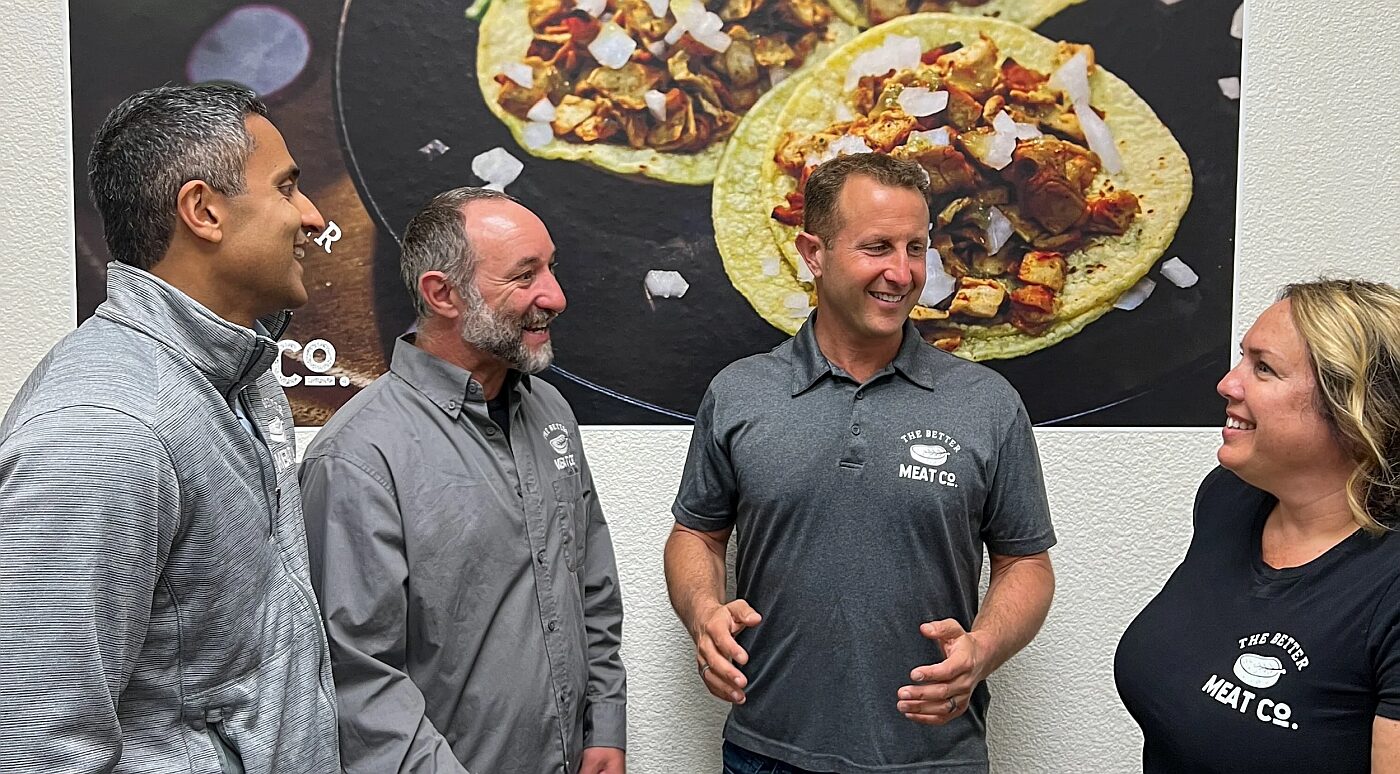
Paul Shapiro, cofounder and CEO, The Better Meat Co: There’s a saying that when you start your own company, you’ll sleep like a baby, meaning you wake up every two hours crying. Sometimes my wife asserts this is true for me. But at The Better Meat Co., the thing keeping me up is never random anxiety; it’s an obsessive focus—during waking and sleeping hours alike—on successfully scaling our fermentation process cost-effectively while making sure our customers are ready to run with the product the moment it’s commercially available. Right now, everything else is just a footnote.
Dan Even, founder and CEO, Asterix Foods: The biggest challenge is gaining commercial traction in a market where years of overpromising have made companies more cautious about working with startups. Aligning breakthrough science with realistic commercial timelines, especially for novel bioactive ingredients, is not easy, and we’re constantly balancing the need to move fast and capture opportunity with discipline around capital and validation.
Alexia Akbay, founder and CEO, Symbrosia: What keeps me awake at night is the slowness of US federal policy progress and backsliding in carbon markets. It’s back to the Wild West.
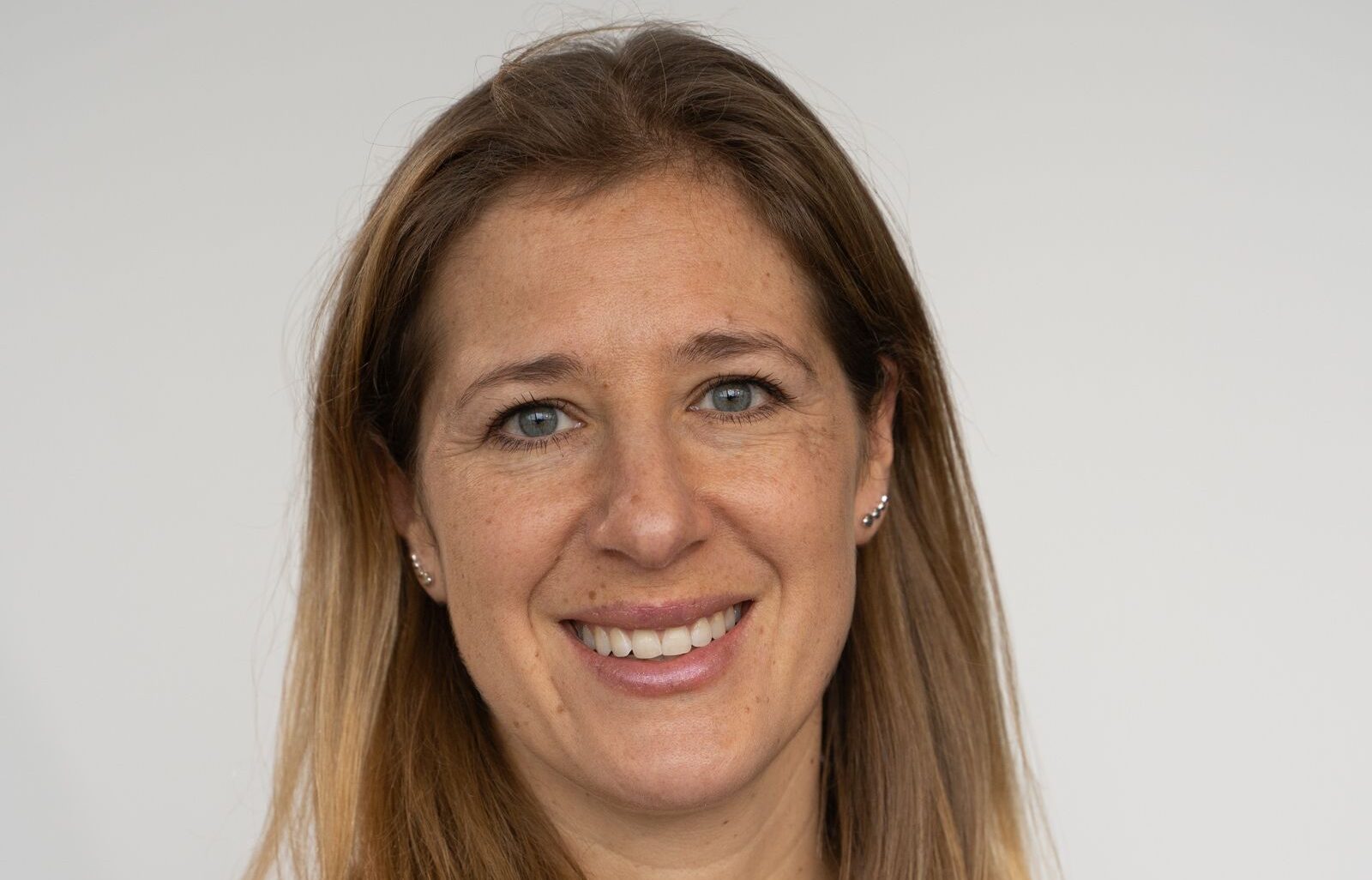
Owen Ensor, founder and CEO, Meatly: What worries me most is the mismatch between the urgency of our environmental challenges and the pace of regulatory progress. We’re watching a food system strain under rising demand. Traditional meat production is becoming harder and less secure, and the environmental toll from industrial agriculture is undeniable. And yet, the technologies that could meaningfully reduce this pressure face unnecessary delays. While the US, Australia, and Singapore are beginning to acknowledge the need for faster pathways, the UK and EU still have a lot of work to do.
Louise Parlons Bentata, cofounder and CEO, Bluemethane: What keeps me awake at night is that our customers are mostly slow-moving water utilities. While they are incredible customers to have, they move slowly, which strains our cash flow. We are trying to be creative to align with their timelines.
Secondly, the uncertainty of the global political environment and the skepticism about climate change’s impact is concerning. Investments often go into defense and military rather than climate change mitigation, making it difficult to encourage investment in clean energy solutions, which haven’t had the same time to reduce production costs as fossil fuels. [Disclosure: AgFunderNews’ parent company AgFunder is an investor.]
David Henstrom, CEO, Unibio: We are currently focused on expediting the large-scale buildout of our technology with our partners. At the same time, finding the next optimal strategic partner to join us on this combined journey of protein production and alternative applications of our technology is another key focus.
I think a lot about securing the right funding for the stage we’re at, and this is what keeps me awake at night. This is not just about capital but about finding partners who truly understand our mission and the timeless potential of what we’re building.
Despite the noise and ongoing challenges in scaling single-cell proteins, I believe there has never been a more important or promising moment to advance gas fermentation and build the resilient food systems of the future.
Mike Messersmith, CEO, Lasso: 2025 felt so paralyzed for a lot of early stage capital investments and I hope that 2026 will start to change that trajectory.
Simo Ellilä, cofounder and CEO, Enifer: The fundraising environment remains tight, and an increasingly likely AI-bust would surely have ripple effects into VC funding at large. Geopolitics remains turbulent. On regulatory I feel hopeful that 2026 will see the first approvals by EFSA in the cellular agriculture space (defined as biomass, precision, or cultivated).
Pål Johan From, founder and CEO, Saga Robotics: What keeps me awake at night is the overall state of the industry, especially the wine market. We focus on developing technology that can be adopted also when times are tough, but the state of the industry does affect all of us of course.
David Mazar, chief revenue officer, SiFly: For aviation, regulatory is always front and center. We are seeing continuous progress in the ability to fly Beyond Visual Line-of-Sight (BVLOS). With the release of the FAA’s Part 108 NPRM [a proposed rule to create a standard framework for BVLOS drone operations], we see progress and we are hopeful that in 2026 the push to extend this through new rulemaking will be expanded.
Beyond regulatory, trade issues are front and center, with an expected ban of future Chinese drone systems in the US, the market needs systems that can fill the void left.
Gabe Sibley, cofounder, Verdant Robotics: I lose sleep in a good way over this same old chestnut: where can I find Moore’s Law style trends and skate to the proverbial puck? Compute, storage, bandwidth, sensors, actuators, power… can you look into the future and get there first? [Disclosure: AgFunderNews’ parent company AgFunder is an investor.]
Lars Langhout, CEO, NoPalm Ingredients: FOAK [first of a kind] financing is difficult because the ecosystem lacks mechanisms for proportional risk allocation. Government involvement is essential, as state guarantees can bridge the gap between venture capital—which cannot fund at scale profitably—and banks, which view such loans as too risky. Governments thus play a pivotal role in enabling FOAK funding but unfortunately move very slowly.
Eben Bayer, cofounder, MyForest Foods: What keeps me awake at night is distribution and slotting, just trying to get MyBacon and MyPulledPork onto as many shelves as we can. Lots of space is opening up but it takes work to convince a retailer to take a fresh look sometimes, even when the data is overwhelmingly on our side.
Elén Faxö, CEO, OlsAro: I worry whether agriculture can adapt at the speed the climate now demands. Seed genetics—the very foundation of agricultural performance—must advance fast enough to withstand the growing pressures of a changing environment. We see this firsthand in our field trials around the world, where shifting weather patterns have moved from abstract forecasts to daily realities—ones we must now engineer resilience to withstand. [Disclosure: AgFunderNews’ parent company AgFunder is an investor.]
Aviv Wolff, cofounder and CEO, Remilk: Honestly, right now, it’s the adrenaline of our Israel launch. It is less about “worry” and more about the intensity of execution. We have moved from proving the science to proving the business.
Julia Streuli, cofounder and CEO, FUL Foods: Across food, nutrition, and wellness, the biggest challenge – and responsibility – is delivering products that are meaningfully better for people and the planet without becoming inaccessible. Innovation only matters if it can scale at a price consumers and brands can realistically sustain. For us, that means obsessing over cost-down pathways, supply-chain efficiency, and industrial scalability from day one – so that cleaner, more resilient ingredients don’t remain niche, but become the default.

Bosco Emparanza García, founder and CEO, MOA Foodtech: What keeps me awake is how to scale this technology fast enough and take it to global markets while building the right partnerships to accelerate deployment. We see a rapidly growing market need, and the challenge is moving at that speed without compromising execution, regulatory readiness, or long-term impact.
Douglas Martin, CEO and Founder, MiAlgae: The continued degradation of our oceans is hard to ignore. Overfishing is still outpacing ecosystem recovery and yet demand for marine-derived ingredients keeps growing. This is a huge supply-chain problem for brands that depend on increasingly volatile raw materials. We need to stop mincing up wild fish as ingredients.
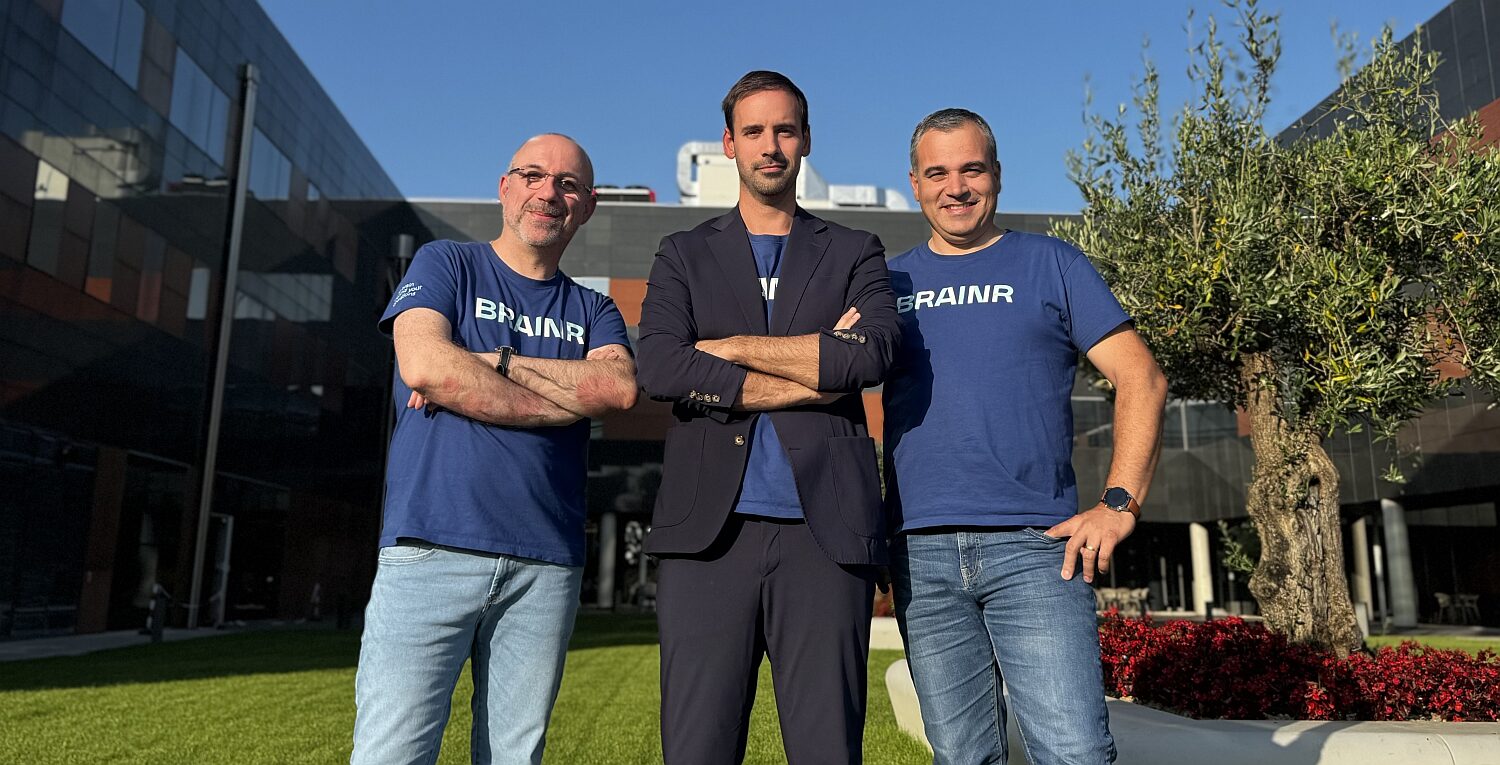
Paulo Gaspar, cofounder and CEO, BRAINR: What keeps me awake at night is the responsibility of staying ahead in a space where AI is moving fast, while making sure what we build actually works on the shopfloor, under real pressure, with real people. Second, how to genuinely improve the lives of the people working day and night in food factories. If our software does not reduce stress, errors, and frustration for operators and managers, then we are missing the point, no matter how advanced the technology is.
Gerit Tolborg, cofounder and CEO, Chromologics: We fully understand and support the need for a rigorous regulatory process assuring safety when introducing a novel ingredient. But what keeps us awake at night is that these processes remain very slow, even as the urgency for safer, sustainable alternatives continues to grow.
Thijs Bosch, CEO, The Protein Brewery: As demand outstrips supply, we need to expand our fungal fermentation capacity and production rapidly during 2026. This means optimizing our factory in the Netherlands, but also looking for partners across the USA and EU so we can fast track the supply of Fermotein into the market.
Daan Raemdonck, cofounder, Koppie: It would be strange if it wasn’t cashflow. More interestingly though: it’s about that first customer. Which coffee company will be the first to dare to really trial a hybrid?
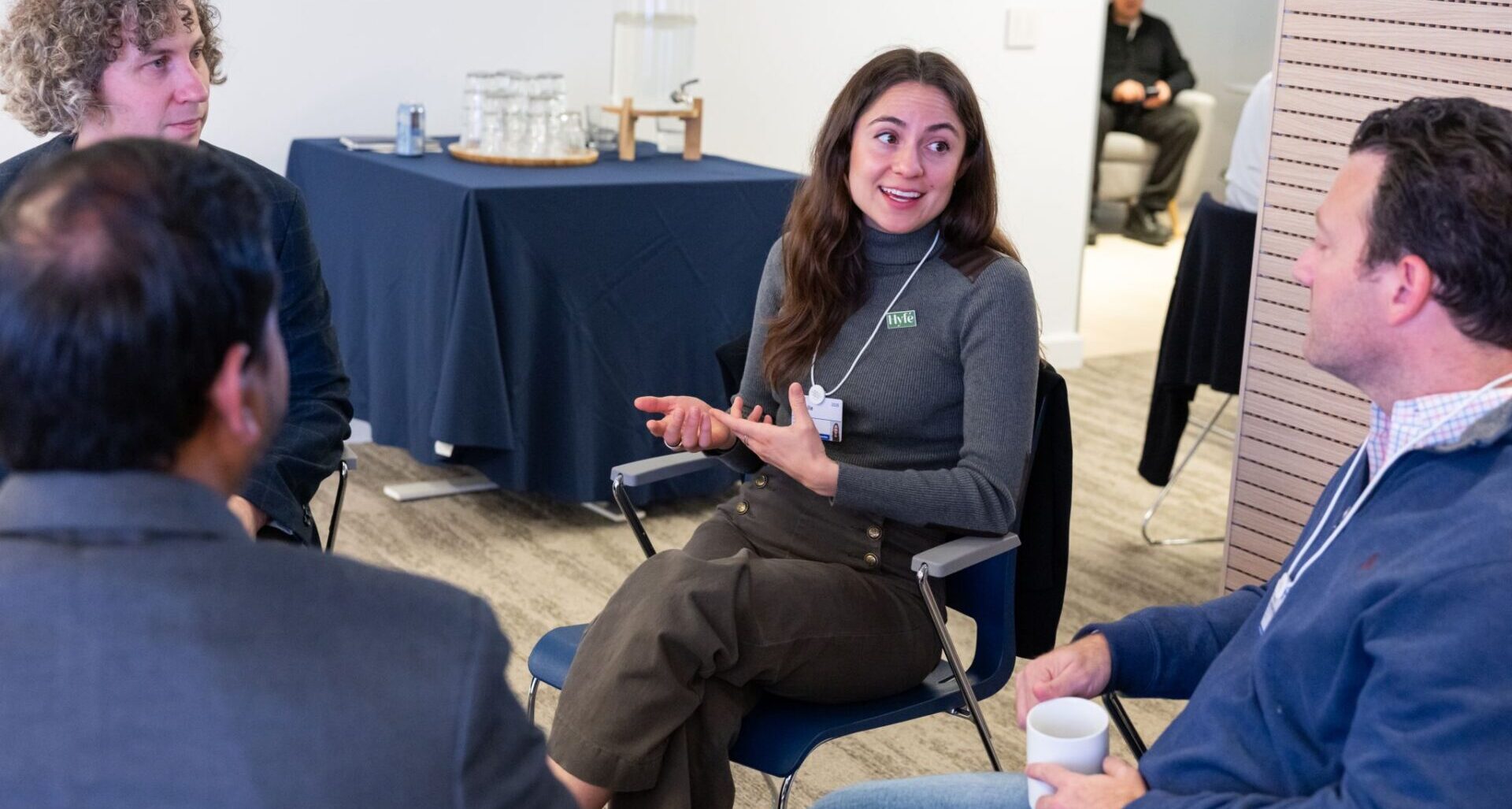
Michelle Ruiz, cofounder and CEO, Hyfé: Our extraction technology has gained momentum across multiple industries this year. I’ve been genuinely surprised by how many sectors have recognized its applicability, often in places I hadn’t initially considered. What keeps me up at night is knowing that as an early-stage company our network is still growing and there are sectors I haven’t connected with yet that could find our technology meaningful to their business.
Francisco Martin-Rayo, cofounder and CEO, Helios: What keeps me up is the speed at which climate volatility is outpacing the industry’s ability to forecast it: extreme anomalies are becoming the norm, and most of the world is still flying blind.
👉 Read part 1 of our vox pop.
👉 Watch the editorial team’s festive roundup video.