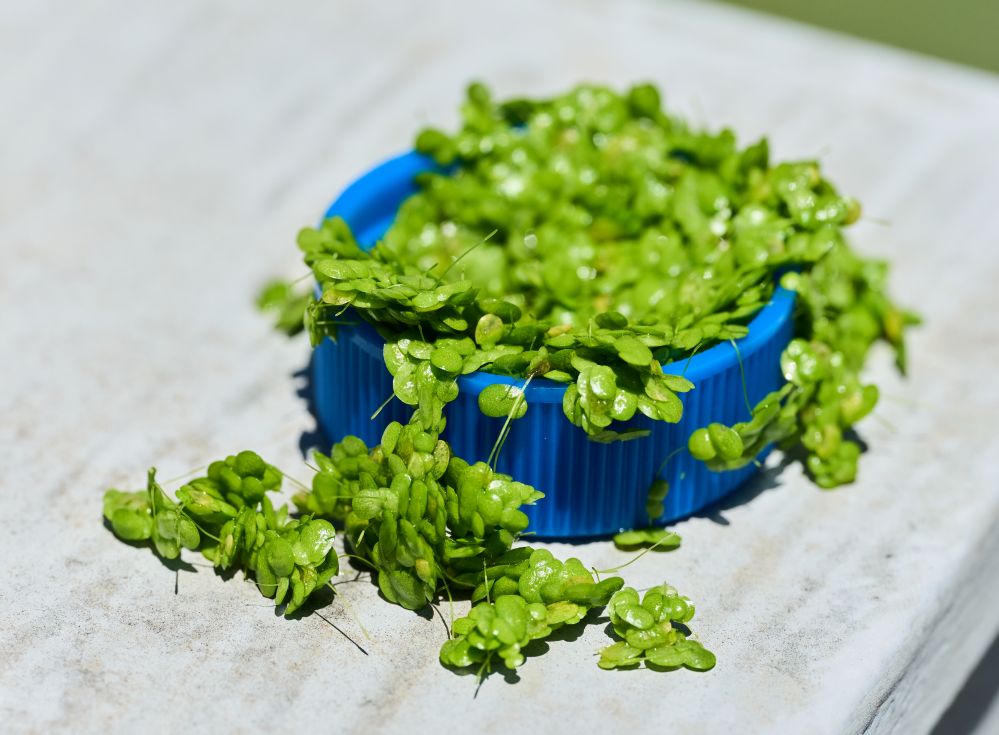
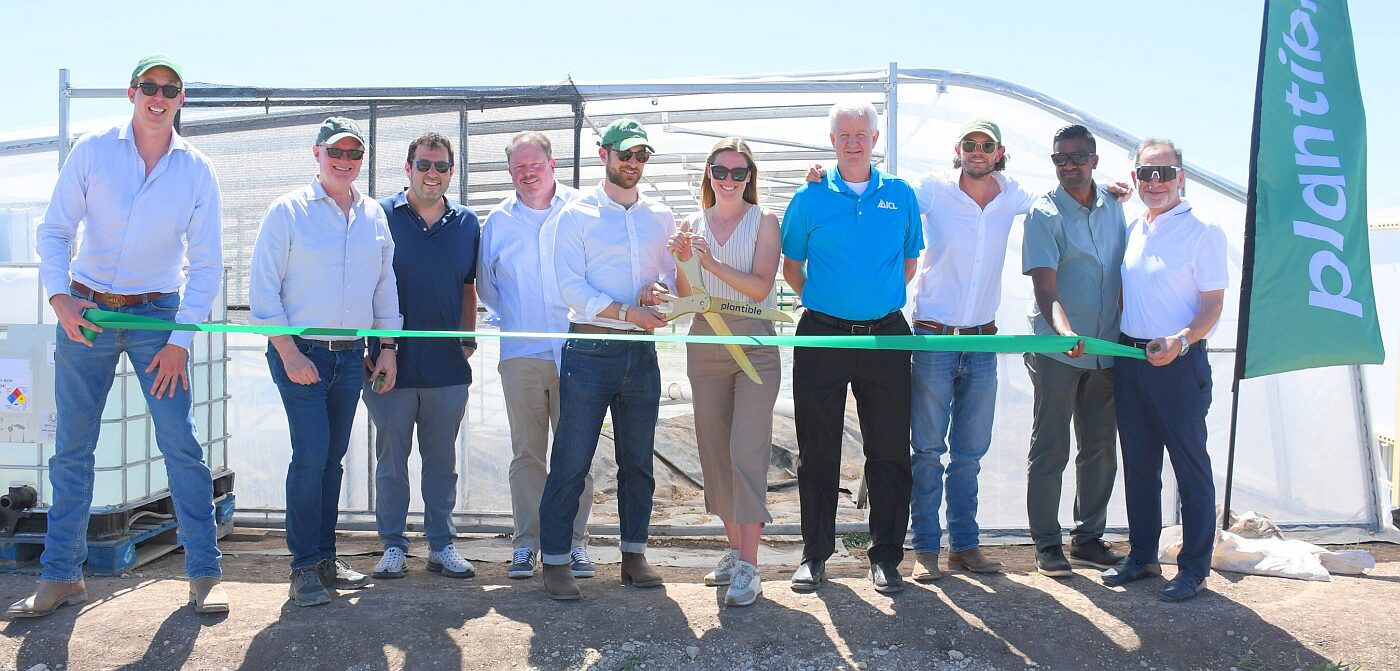
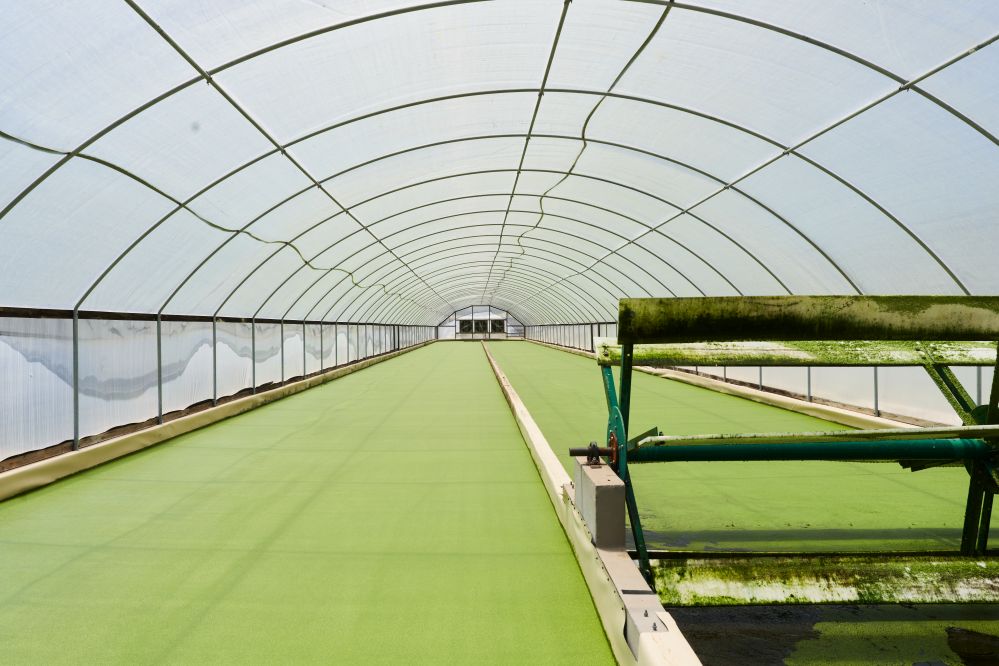
Plantible Foods—a startup extracting RuBisCO, a highly-functional protein from fast-growing aquatic plant lemna (duckweed)—says its first commercial facility in Eldorado, Texas is now fully operational.
The company, which closed a $30 million Series B round co-led by Piva Capital and Siddhi Capital last year, is now working on securing additional financing to triple capacity at the site, which currently has a capacity of thousands of metric tons of biomass per year, yielding hundreds of metric tons of protein.
It has also installed an upgraded protein filtration system boosting its “ability to achieve cash flow positivity” and introduced a proprietary strain of lemna with a higher protein yield, cofounder and CEO Tony Martens told AgFunderNews.
“We focus on two parts: how much RuBisCO can we derive per ton of biomass and how much RuBisCO can we grow per acre per year. With this in mind, we continue to screen new strains of lemna to optimize for both. To date we have screened over 400 different strains all with different compositions and growth rates. The strain we recently rolled out increases both our output per acre and per ton of biomass, which is quite exciting.
“However, we already have some new strains lined up that we want to roll out in 2026,” added Martens, who said the fact Plantible has secured long-term offtake agreements and is able to scale in a modular fashion—scaling out rather than scaling up with proven tech—has helped build trust with investors.
“Plant-based protein formulators have been searching for years for a clean label, highly functional replacement for chemically derived binders such as methylcellulose. In partnership with Plantible Foods, we have been able to leverage our deep knowledge of proteins to create a market-leading binding solution that allows plant-based food manufacturers to meet the needs of even the most demanding consumers.” Paul Peterson, global alternative proteins leader, ICL Group
Plant protein that behaves like animal protein
Extracted from lemna, a fast-growing free-floating aquatic plant that grows without pesticides all year round, Plantible’s ‘Rubi protein’ has key advantages over other plant protein sources in that it contains all the essential amino acids with a protein digestibility (PDCAAS) score of 1.0 (equivalent to animal protein).
The protein has a neutral taste, odor and color that can be listed on ingredient labels as ‘lemna leaf protein,’ and is self-GRAS (generally recognized as safe) in the US.
While Plantible is often described as an ‘alt protein’ startup, the attraction of Rubi protein for most food companies is less about going ‘plant-based’ or ‘green’ than tapping into its unique functional properties (emulsification, gelation, binding), said Martens.
With vegan credentials, but functional properties akin to animal proteins at low inclusion rates, Rubi Protein is attracting interest in multiple areas including baked goods, confectionery, breadings, coatings, dairy (animal and plant-based), sauces, and dressings, he said.
Combined with other ingredients, it can also serve as a clean label alternative to methylcellulose in meat alternatives, says the firm, which has been working with ICL on this project.
“Egg replacement is a hot topic in the food industry right now, but in general we see a lot of food companies want to remove allergens from their label in order to make their food products more accessible,” said Martens.
“Furthermore, clean labels and thus the removal of synthetic ingredients, is something that continues to gain momentum, also beyond plant-based food formulations. There are some products on the market, though we have been mostly in foodservice. The first products in retail will launch in September.”
Functionality is key “because this is simply where Rubi can make an immediate impact: improving texture while optimizing cost-in-use,” he said.
“However, nutritionally RuBisCO is very interesting as well and therefore a lot of customers want to look into using the product as a nutritional ingredient. However, our capacity constraints mean we prioritize functional applications over bulk nutritional applications.”
RuBisCO: The holy grail of plant protein?
One of the most abundant proteins on the planet with nutrition and functionality rivalling animal proteins, RuBisCO is found in every green leaf, but presents significant challenges to firms attempting to extract it in a cost-effective fashion.
Over the years, several players have attempted to commercialize RuBisCO for human food applications, with mixed results.
The most advanced is New Zealand-based Leaft Foods, which extracts RuBisCO from alfalfa and is currently producing tens of tons of protein concentrate per month, with plans to ramp that up to hundreds of tons per month. However, several other players have also entered the fray including ProLeafEra, FUDI Ingredients, Day 8, Brevel, Alfa-Ruby, Rubisco Foods, Lemnapro, and the Leaf Protein Company.