
Plantible Foods—a startup extracting RuBisCO, a highly-functional protein from fast-growing aquatic plant lemna (duckweed)—has raised $35 million in debt and equity funding to expand operations at its site in Eldorado, Texas.
The package includes a $25 million loan from X-Caliber Rural Capital via USDA’s Business & Industry Loan Guarantee Program and $10 million in equity from RA Capital and other existing investors.
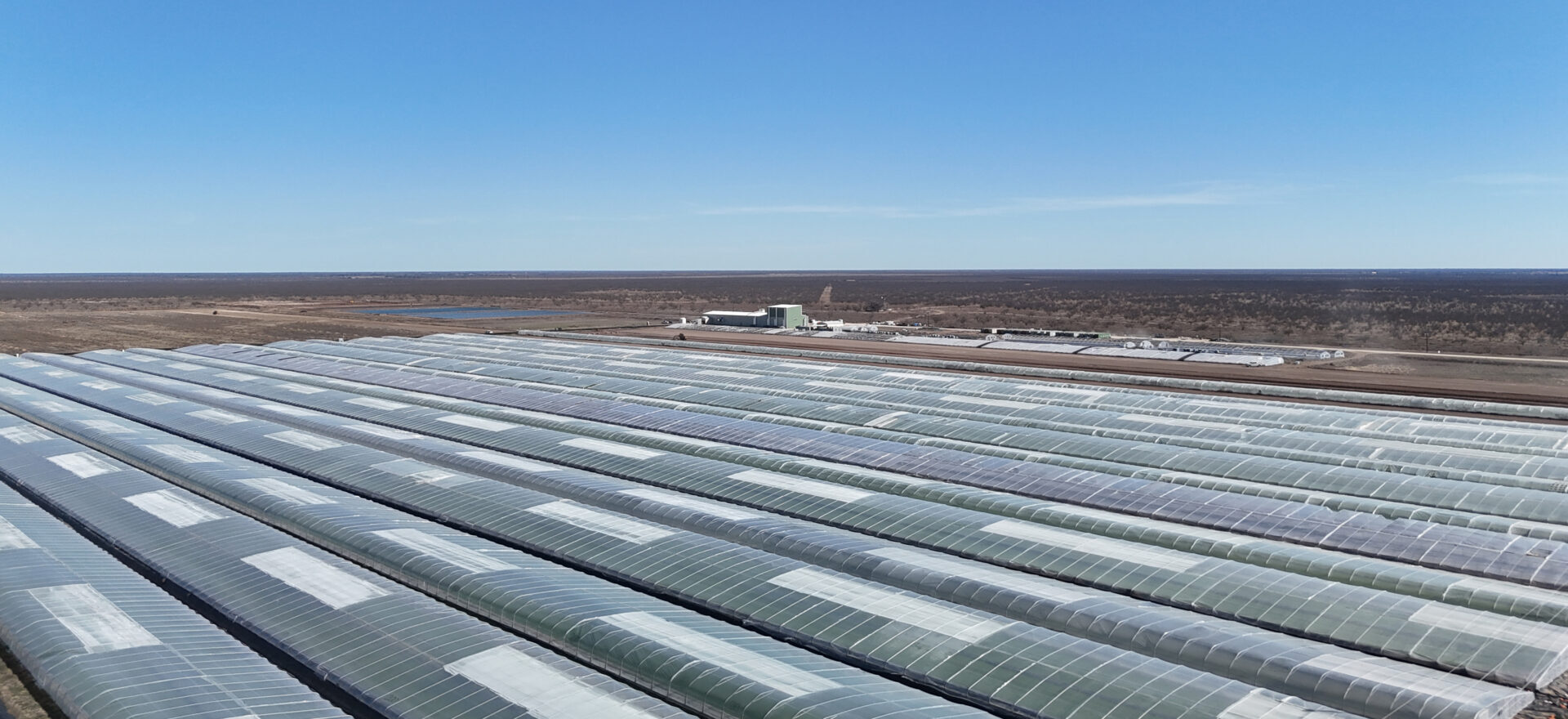
The funds will enable Plantible to increase annual production capacity for its “Rubi protein” five-fold to over 1,000 metric tons, fulfill its existing customer pipeline, and enter new markets, cofounder and CEO Tony Martens told AgFunderNews.
“We have new greenhouses coming online every week, and our goal is to be finished with the construction in early 2027.”
“Plantible has translated breakthrough science into consistent, scalable production, and this expansion is the next proof point.” Maria Buitron, principal, Piva Capital
Boosting yield
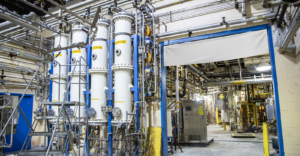
Plantible has recently installed an upgraded protein filtration system and introduced a proprietary strain of lemna with a higher protein yield in a bid to improve two key metrics: the amount of RuBisCO derived per ton of biomass and the amount of RuBisCO it can grow per acre per year, said Martens.
“We have rolled out a new strain that has allowed us to increase our yield by more than 40%, which has been pretty exciting,” added Martens, who said the fact Plantible has secured long-term offtake agreements and is able to scale in a modular fashion has helped build trust with investors.
“Will this be the last capital we’ll ever raise? Most likely not, because we need to expand our production capacity to keep up with demand,” he said. “Just a couple of weeks ago, we had one of our customers double their order for 2027, and so even with the existing expansion, we’re already going to be short of supply.
“But the basic unit economics are already profitable, and then it’s just a matter of unlocking more capacity to become overall profitable as a company.”
Plant protein that behaves like animal protein
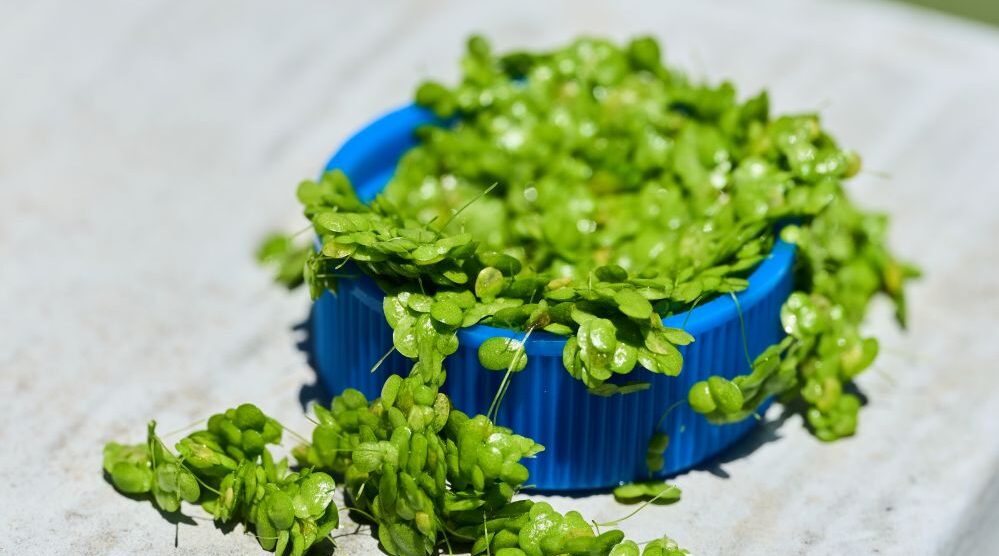
Extracted from lemna, a fast-growing free-floating aquatic plant that grows without pesticides all year round, Plantible’s “Rubi protein” has key advantages over other plant protein sources in that it contains all the essential amino acids with a protein digestibility (PDCAAS) score of 1.0 (equivalent to animal protein).
The protein has a neutral taste, odor and color that can be listed on ingredient labels as “lemna leaf protein,” and has a “no questions” letter from the FDA affirming its GRAS (generally recognized as safe) status in the US.
While Plantible is often described as an “alt protein” startup, the attraction of Rubi protein for most food companies is less about going “plant-based” or “green” than tapping into its unique functional properties (emulsification, gelation, binding), said Martens.
With vegan credentials, but functional properties akin to animal proteins at low inclusion rates, Rubi Protein is attracting interest in multiple areas including baked goods, confectionery, breadings, coatings, dairy (animal and plant-based), sauces, and dressings, he said.
Combined with other ingredients, it can also serve as a clean label binder and alternative to methylcellulose, he said.
“What we’re seeing still, is that egg and dairy proteins are incredibly volatile. Last year, we had an avian flu outbreak that disrupted the egg market and this year there’s a global whey shortage. And while whey is obviously used in protein fortification, it’s also a functional ingredient as it’s a great emulsifier and binder, so [replacing it] is really catalyzing a lot of demand across many geographies.
“With the MAHA (make America healthy again) movement there is also demand to replace synthetic or ultra-processed binders, gelling agents, emulsifiers, and ingredients such as methylcellulose, so that’s the second driver.
“And then third, there’s continued demand for protein.”
Exit strategies
RuBisCO: The holy grail of plant protein?
One of the most abundant proteins on the planet with nutrition and functionality rivalling animal proteins, RuBisCO is found in every green leaf but presents significant challenges to firms attempting to extract it in a cost-effective fashion.
Over the years, several players have attempted to commercialize RuBisCO for human food applications, with mixed results.
The most advanced aside from Plantible is New Zealand-based Leaft Foods, which extracts RuBisCO from alfalfa. Other players include Fudi Protein, ProLeafEra, Day 8, Brevel, Alfa-Ruby, Rubisco Foods, Lemnapro, and Leaf Protein Company. Aspyre Foods and Kyomei, meanwhile, are building platforms they claim can turn plants into biofactories for producing casein and RuBisCO.
Further reading:
The planet’s most abundant protein is ready for prime time, says Leaft Foods
Former Eat Just exec bets on alfalfa to unlock ‘holy grail’ RuBisCO protein
Aspyre Foods taps duckweed for casein and RuBisCO: ‘We’re maximizing the biomass value’

Sign up for our weekly newsletter.