One of the most abundant proteins on the planet with digestibility and functionality rivaling animal proteins such as egg and whey protein isolate, RuBisCO is found in every green leaf, from duckweed to sugar beet. Despite its ubiquity, however, it has not become the plant protein of choice for the food industry… yet.
The challenges are myriad. For a start, RuBisCO is present in very small quantities in leaves [1-5% of dry leaf mass], which necessitates processing large amounts of biomass to obtain a small amount of protein.
Once leaves are harvested, meanwhile, there is a narrow processing window to preserve RuBisCO’s functionality, requiring firms to chill or freeze material after harvest or begin extraction within a short timeframe.
To compound the challenge, RuBisCO is also difficult to extract, as firms must rupture leaf cells to remove cellulose, chlorophyll, polyphenols and other components without denaturing the protein to get to a neutral-tasting off-white powder that can be used in a broad range of food formulations.
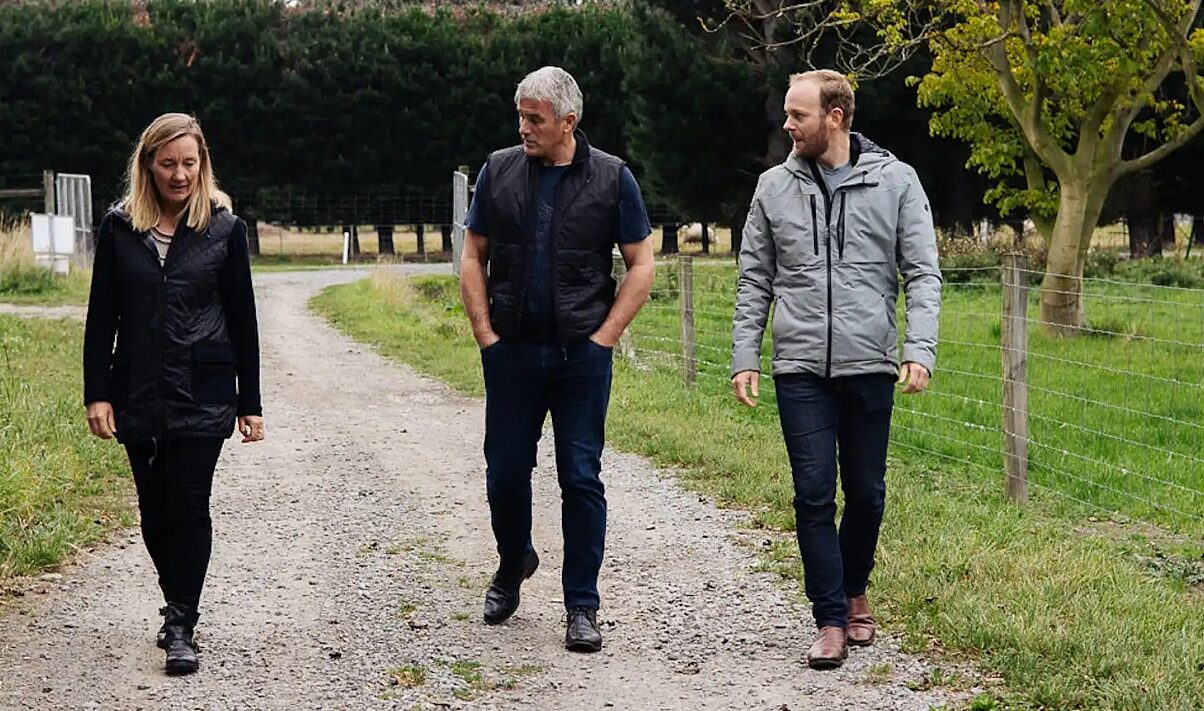
“Everybody knows RuBisCO is the utopia protein,” says Ross Milne, CEO at New Zealand-based startup Leaft Foods. “But the issue was always, can we actually find an economically viable way of isolating it in a desirable form? Well that’s what we’ve done.”
‘A very clear line of sight to a profitable, scalable business’
Founded by John and Maury Leyland-Penno in 2019, Leaft Foods extracts RuBisCO from alfalfa, and is “now at what we call commercial demonstration stage where we’re producing tens of tons of material per month,” says Milne, a chemical and process engineer with a background in scaling large-scale manufacturing projects.
“In the next few months, we’ll ramp that up to hundreds of tons per month of products, including our protein concentrate, which has over 80% purity, emulsification, gelling, and foaming characteristics, and an incredible flavor profile, which is what’s essential to gain traction in the ingredient space,” adds Milne.
“We’re also selling it in a slightly different format as a branded product (Leaft Blade) that we’re marketing direct to consumers such as performance athletes in New Zealand and the US.”
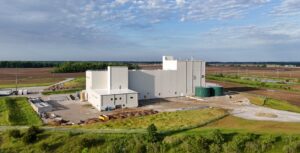
While US-based Plantible—the other key player in RuBisCO right now with a facility in Texas that can produce hundreds of metric tons of protein per year—is both growing and processing its source material (duckweed), Leaft Foods contracts with farmers that grow alfalfa, says Milne.
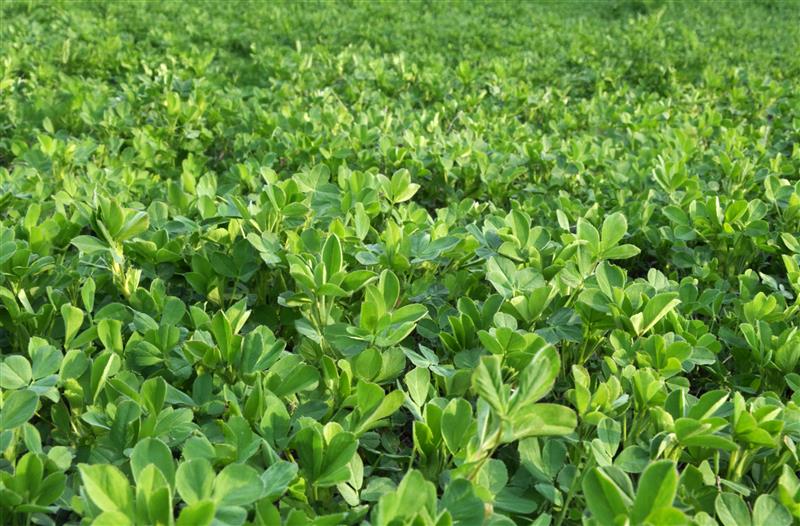
“We’ve done trials with other crops, so we have future options, but alfalfa is incredibly productive. It fixes its own nitrogen and has very deep roots, so it’s very efficient with water. Plus it’s perennial and it’s staying in the ground for five, seven years.
“So it’s a case of how do we best fractionate the green leaf and use all of the compounds inside? The fibrous part of the leaf, the cell walls, the lignin, for example, is well suited to ruminants in the form of silage.”
As a source material, alfalfa is “incredibly abundant,” notes Milne. “We can grow 18 tons of dry matter per hectare of land, and nearly six tons of protein per hectare, which enables us to create an efficient business with a very clear line of sight to a profitable, scalable business, and we imagine that over the coming decade, we will see RuBisCO play a very prominent role.”
He adds: “RuBisCO is just the most phenomenal protein in terms of its nutritional properties, its amino acid profile, its digestibility, and its functionality. And we get value out of 100% of the raw material, so we’ve commercialized all the co-products as well as the protein and we have contracts in place for those, which allows us a lot of opportunity to focus on RuBisCO .”
The go-to-market strategy
On the application front, Leaft is partnering with both large multinationals and more agile smaller companies that will allow it to deliver products to market quickly, says Milne, who says Leaft’s RuBisCO has self-GRAS status in the US market.
“Those partnerships are confidential at this stage, but in terms of categories, we’re working mainly across dairy and bakery categories and it’s highly likely that you’ll see our RuBisCO protein in market with some of those partners within 12 months.”
From the beginning, said Maury Leyland-Penno, “We always assumed we would need to be price competitive with things like whey protein concentrate. And if you can do that, the addressable market is really substantial. So we can see a line of sight to profitability in the not too distant future as we continue to scale.”
Right now, says Milne, most people do not know anything about RuBisCO. But that will change, adds Milne, who says Leaft has raised $20 million of equity funding to date from backers including Khosla Ventures and ACC’s Climate Change Impact Fund, plus a significant amount of non-dilutive funding from the New Zealand government.
“I imagine that we see a significant change in the next 10 years. People will refer to RuBisCO just like we refer to whey protein today.”
Over the years, several players have attempted to commercialize RuBisCO for human food applications, with mixed results. Florida-based Lemnature AquaFarms filed for bankruptcy in late 2023, while San Diego based has been more successful, building a large-scale lemna (duckweed) farming operation in Texas that is now fully operational and entering a new phase of expansion.
Other players in the space include ProLeafEra, FUDI Ingredients, Day 8, Brevel, Alfa-Ruby, Rubisco Foods, Lemnapro, and the Leaf Protein Company.
Further reading:
Day 8 emerges from stealth with plans to extract ‘holy grail of proteins’ from ag waste
Lemna/duckweed processor Lemnature AquaFarms files for bankruptcy, asset sale set for Dec 12