It’s fair to say that cultivated meat is now well past its honeymoon period after a string of high-profile failures. But is there light at the end of the tunnel, or is one of agrifoodtech’s biggest moonshots destined for the dustbin of history before it’s even out of the starting blocks?
On paper, the tech remains compelling. Unlike plant- or fungi-based options, it has the appeal of “real” meat and promises a consistent, local supply of meat made to order, without the disease risks, supply chain vulnerabilities, environmental damage, and ethical baggage associated with traditional animal agriculture.
In practice, however, there’s no playbook for biomanufacturing meat at scale, funding has almost dried up, and the political environment has become increasingly hostile in key markets.
AgFunder data show that funding peaked at $989 million in 2021, dipped to $807 million in 2022, $177 million in 2023, $55 million in 2024. It edged up to $82.6 million in 2025, bolstered by a $17.6 million round for industry pioneer Mosa Meat. [Disclosure: AgFunderNews‘ parent is company AgFunder].
Two of the sector’s best-funded players—Believer Meats and Meatable—abruptly ceased operations in December, while GOOD Meat, the first company to commercialize cultivated meat, has not yet landed on a model for profitable production at large scale and became embroiled in a legal dispute with a key vendor over allegedly unpaid bills.
The top-funded player—UPSIDE Foods—has paused plans to build a large-scale facility in Illinois, but recently put in a $50 million bid for Believer Meat’s production facility in North Carolina.
That said, from a purely technical perspective, significant progress has been made in recent years, claimed Lever VC in a recent white paper, although the firm acknowledged that it will be “many years if not decades before we’ll have a sense of how the sector as a whole will ultimately fare.”
Steven Finn: ‘I don’t believe it’s dead in the water’
Siddhi Capital general partner Steven Finn—an investor in cultivated seafood co BlueNalu—acknowledges that the industry is in peril but says the thesis in certain segments remains strong.
“I don’t believe it’s dead in the water,” he tells AgFunderNews. “I’m going to say what I’ve been saying for years, which is there is still a place in the world for high value cultivated meat, typically when it [the animal-derived version] comes with really messed up existing agricultural supply chains.
“So that to me is bluefin tuna, which is unfarmable, has mercury and microplastic and parasite problems, is an entirely Japanese supply driven market. There’s a ton of pent-up demand.”
Chicken, by contrast, “does not make sense to me” unless costs can be dramatically reduced, he argues. “The market is huge, but it’s one of the only animal proteins that’s actually become cheaper to produce in the last 30 years; it’s a dollar for a pound on a good day.”
From an investor perspective, says Finn, “Insiders are getting close to tapped out [on their investments in cultivated meat], and outsiders are few and far between.”
Regulatory approvals, meanwhile, “are no longer fundable milestones,” he adds. “Now we need to see a real instance of a product coming into the market and working. But it’s not impossible.”
On the plus side, he says, we’ve come a long way from where we were even five years ago when startups in the nascent industry were still doing everything in-house.
Multiple products are now approved for human consumption in Singapore, Israel, Australia and New Zealand (and for petfood in the UK and Singapore), while firms can now tap into a network of service providers and partners spanning everything from media ingredients to novel bioreactor designs.
However, a lack of available capital “limits the number of shots on goal people can take at this stage,” notes Finn. “You get down a path and it’s hard to do anything but keep your blinders on because you’re burning money you don’t have.
“I actually think there is real significant progress happening all the time on the tech but it gets overshadowed by shitty news every week or so.”
Consolidation ahead
Looking ahead, he says, “Consolidation can and should happen, and we’re going to see more of it. I would like to see consolidation at some level where the IP that makes sense and the steel that makes sense come together.
“A lot of the power right now is in the means to produce because that’s the expensive part, and there’s no money. So look at the Believer Meats facility. UPSIDE Foods has just put in a bid for it and if they’re ever going to make it, it’s hard to look away from this versus the risk of building [large-scale commercial capacity] themselves with the same dollars, for example.”
And while GOOD Meat once made the case for 250,000-L bioreactors, smaller, cheaper vessels and a scale out, rather than scale up, model is the name of the game right now, even if large vessels are ultimately where things go, adds Finn.
“Scale out seems technically more feasible, although probably more expensive in capex per pound produced, depending on the bioprocess. But it’s a place to start.”
The business model
In the short term, however, firms supplying cultivated meat for inclusion as an ingredient into processed products like meatballs and nuggets—as opposed to higher-value products in supply-constrained markets or something that can be sold as a delicacy or novelty—face big challenges, says Finn.
If cultivated meat is going to be blended with conventional meat, it needs to be at least competitive with animal-derived meat on price and available in meaningful quantities if it’s going to gain any traction, he says. And if it’s targeting the plant-based meat market, the addressable market is looking somewhat smaller today than it did five years ago.
When Finn first started making investments in the space around 2018, 2019, companies such as SCiFi Foods and New Age Eats (which have both ceased operations) were “driven by this belief that cultivated meat or fat players could tap into a plant-based meat market that was going to be big and growing with their ingredients at low inclusion rates,” Finn recalls.
“Well good luck justifying the amount of money that went into starting those companies if all you can own is [a slice of] the plant-based meat market.”
Picks & shovels
For players making the “picks and shovels” or enabling tech to support cultivated meat, meanwhile, adaptability is the name of the game, with several pivoting to pharma and other markets as it became clear that the sector’s commercial rollout would take longer than anticipated.
Some players making cultivated meat have also found ways to generate revenue in other verticals, with UPSIDE Foods recently launching a new division called Lucius Labs specializing in cell culture media for the life sciences industry.
“Siddhi Capital is an investor in Ark Biotech, which was building bioreactors for cultivated meat but is now selling software to pharma,” says Finn. It also invested in Future Fields [disclosure: AgFunderNews’ parent company AgFunder is also an investor], which started life making recombinant proteins in fruit flies for cultivated meat media but now focuses on the life sciences segment, he says.
Meanwhile, another Siddhi Capital portfolio company, ProFuse Technology, which started out making media supplements that increase the speed and efficiency of muscle tissue formation in cultivated meat, has broadened its aperture to launch a high throughput screening platform for skeletal muscle related drug discovery, says Finn.
“Ark’s magic is in software to smooth out the scale up and scale down of cell culture and bioreactors, and pharma can pay for that. ProFuse Tech’s magic is they can produce muscle tissue. So, what are they going to do with that? Use it for high throughput screening that others can’t do on all kinds of compounds [to see how they impact muscle tissue], because that makes sense in the world today.”
Against this backdrop, AgFunderNews spoke with some key players still in the game to gauge how far the cultivated meat industry has come, what technical challenges still need to be solved, and which companies and business models are best placed to survive.
👉 Fork & Good (US, initial focus pork and beef): ‘Cost parity is non-negotiable’
The biggest challenge facing the cultivated meat sector today is credibility, says Fork & Good cofounder and CEO Niya Gupta.
“Early hype attracted investors and companies who underestimated the scope of the challenge. When progress didn’t match the promises of a notable few, confidence collapsed and resulted in deep skepticism across the entire sector. The way through is commercial proof: paid partnerships, real offtake agreements, products that food manufacturers are integrating into their supply chains.”
Firms that can prove demand and deliver on it will survive, she predicts. “We’ve made the shift from R&D to manufacturing. We now operate a GMP-grade facility with validated processes and a quality management system built for regulatory requirements, and our focus is on executing the contracts we have.”
Patricia Bubner PhD, founder at Orbillion Bio, which was recently acquired by Fork & Good, adds: “The funding drought has done something useful: it has clarified who the serious players are.”
Genetic engineering and ICM
From a technical perspective, says Fork & Good cofounder and CSO Gabor Forgacs, PhD, “The most important realization in this field, and one that Fork & Good has acted on, is that genetic engineering and ICM [Integrated Cell Manufacturing] are not optional extras. They are the primary levers for getting cultivated meat to competitive cost. Genetic engineering lets us develop cell lines that grow faster, produce more protein, and require less from the culture medium.
“ICM ensures those gains are realized at scale by co-optimizing the cell line, the medium, and the bioprocess together rather than in isolation.”
That integration is where compounding cost reductions come from: each improvement in one pillar unlocks further gains in the others, he claims. “Most of the industry is still not operating this way, treating these as separate workstreams, which is why their cost curves are not falling fast enough.”
Asked whether the unit economics for cultivated meat only make sense for cell biomass rather than more structured products at the moment, Forgacs says: “For the near term, yes, and the reason goes deeper than cost.
“The structured product route is where many cultivated meat companies failed. The assumption was that one could capture steak-like margins with a blended product combining plant-based proteins and cultivated meat. This approach, however, delivered only a fraction of what consumers expect: the texture, the flavor, the full eating experience of a steak.”
He adds: “Cellular biomass as a clean-label ingredient replaces multiple additives with a single ingredient that improves flavor, consistency, binding and simplifies the label in products consumers already love without compromising on the eating experience of a burger, sausage, or dumpling. That’s the commercially sound path, and it’s where Fork & Good has been focused from the start.”
‘Cultivated meat that can’t compete on price at scale stays niche’
As for price, he says, “Cost parity is non-negotiable in the long run. You can justify a modest premium in early commercial phases, but cultivated meat that can’t compete on price at scale stays niche. That’s why Fork & Good was built margin-first: unit economics at factory scale as the design constraint.”
Customers don’t need cultivate meat to be cheaper than commodity meat today, he claims. “But they need a credible path there, plus immediate value from improved yield and functionality. Both of those we can deliver.”
Fork & Good’s ICM platform uses “smaller, purpose-designed vessels rather than conventional large-scale stirred-tank bioreactors, cutting capex by roughly 10x, and deliberately pairs scaling up vessel volume with scaling out across more vessels in parallel,” says Forgacs.
Bubner adds: “The biopharma bioreactor playbook was written for high-margin drugs, not food ingredients. Orbillion’s conviction was always that the bioware—the computational models that predict how cells will behave at scale before you run expensive physical trials—matters more than the hardware.
“We validated that through our 200-liter beef production run, and the predictions from our scale-down models held.”
De-risking the meat supply chain with meat made to order
As for understanding the market opportunity, “Working directly with food manufacturers we have learned that cultivated meat is most compelling not as a replacement for conventional meat, but as a way to replace risk,” says Gupta.
“Global pork production still hasn’t fully recovered from African Swine Fever, and now we are seeing screwworm in cattle in the US. Around 25% of meat processing plants are unprofitable today; another 20-30% are one shock away from the same fate.
“Disease outbreaks, tariffs, labor constraints, and input price volatility are compressing already thin margins. Fork & Good’s cultivated pork and beef drop into existing ground meat formulations and helps manufacturers improve yield, functionality, and consistency while building supply chain resilience. Our modeling and customer conversations show that this could translate to doubling net margins for a manufacturer currently running at margins of 8% or less.”
The firm’s business model is strictly b2b, she adds: “We license our ICM platform and sell ingredients rather than building factories. We now have off-take agreements and three paid joint development agreements with multi-billion-dollar food companies, including Luiten Food and Sigma Alimentos, and a broader pipeline across five of the six highest-priority geographies for red meat globally.”
Merging Fork & Good and Orbillion Bio further reinforces this model, claims Bubner. “What this merger specifically provides is a strong commercial pipeline across complementary geographies, with multiple paying customers; consolidation of proven leadership and talent, and a wider product selection with both pork and beef. This combination is unique in the industry.”
👉 BlueNalu (US, initial focus: Bluefin tuna toro): High value products in supply-constrained markets
“Because BlueNalu is beginning with Bluefin tuna toro, a high-value species and cut, we are able to sell at price parity,” says founder and CEO Lou Cooperhouse. “We are not asking partners to take on a major price premium simply because the product is new.”
Bluefin tuna toro is a high-value product with strong culinary demand, variable quality, and significant pressure on wild stocks, says Cooperhouse. It is also difficult to replicate through conventional aquaculture, given feed-input challenges, high fish-in/fish-out ratios, and the complexity of farming large predatory species.
“Even within each fish, toro represents a limited, highly prized cut. We feel that this unique value proposition creates a more compelling business case vs. conventional or commodity chicken or beef products and a strong fit for early commercialization.”
Consistent quality, year-round availability
For chefs and seafood partners, says Cooperhouse, BlueNalu can offer a locally-produce product with “consistent quality, year-round availability, 100% yield, and less dependence on catch seasons, fishing pressure, or long global supply chains.” For consumers, it offers “no detectable mercury, no parasites, no antibiotics, and no fishing.”
But cultivated seafood does not need to solve every seafood challenge overnight to be meaningful, he says. “It can begin by complementing existing supply where the need is clear, the value is understood, and the benefits are relevant today.”
The biggest challenges facing the cultivated protein sector today are regulatory timelines and access to funding, he says. “The science has advanced significantly, but commercialization depends on having clear regulatory pathways, sufficient capital to scale responsibly, and the ability to move from pilot production to repeatable commercial execution.
“The companies that succeed will be those that are not just technologically impressive, but commercially disciplined and focused on products that are truly differentiated with a clear value proposition.”
A partnership approach
BlueNalu, which raised $11m in late 2025, is advancing regulatory work in the US, Singapore, the UK, Japan, Korea, Saudi Arabia, UAE, and the EU, and has a partnership with frozen food company Nomad Foods to support commercialization in the UK and the EU, says Cooperhouse.
“BlueNalu has taken a partnership-led approach from the beginning, working with established seafood, foodservice, and food manufacturing leaders to support responsible market entry and long-term scale.”
As the firm scales, he says, “We expect to lean on contract manufacturing and strategic manufacturing partnerships rather than building every layer of capacity ourselves from day one. This allows us to move in a lower-capex, stage-gated way, aligning production expansion with regulatory progress, customer demand, technical readiness, and unit economics.”
Texture created via downstream processing, not scaffolding
Rather than investing in pricy secondary bioreactors or scaffolding to create texture and structure, says CTO Lauran Madden, PhD, “The final texture, bite, structure, and eating experience are developed through our downstream food-processing approach.”
She adds: “For our first bluefin tuna toro product, we use cold-extrusion methods and familiar food-processing equipment, including systems similar to those used in pasta-making, along with select food-based ingredients.
“This allows us to create a premium saku-format toro product for raw culinary applications, while continuing to evaluate emerging technologies that could further enhance texture and product structure over time.”
The firm, which uses non-GMO myoblasts, has experimented with lipid-loading technology to get the cells to produce some fat, but is not planning on using this for its first products, she says. “Instead, fats are incorporated downstream using plant-based oils such as avocado and flaxseed, along with omega-containing algal oil to support flavor, mouthfeel, and nutritional composition.”
As for the wider industry, she says, “The advances that matter most are often not a single breakthrough, but the steady integration of many improvements across the production system — cell line performance, media optimization, process control, food-grade inputs, downstream processing, analytical testing, and regulatory readiness.
“At BlueNalu, we are focused on technical advances that improve product quality and manufacturability at the same time. For example, we have demonstrated how more continuous bioprocessing approaches can improve productivity and reduce cost of goods over time. We are also encouraged by emerging texture and structuring technologies that could further enhance the eating experience.”
👉 Aleph Farms (Israel, initial focus: petit beef steak): high margins at price parity in 5,000-L bioreactors
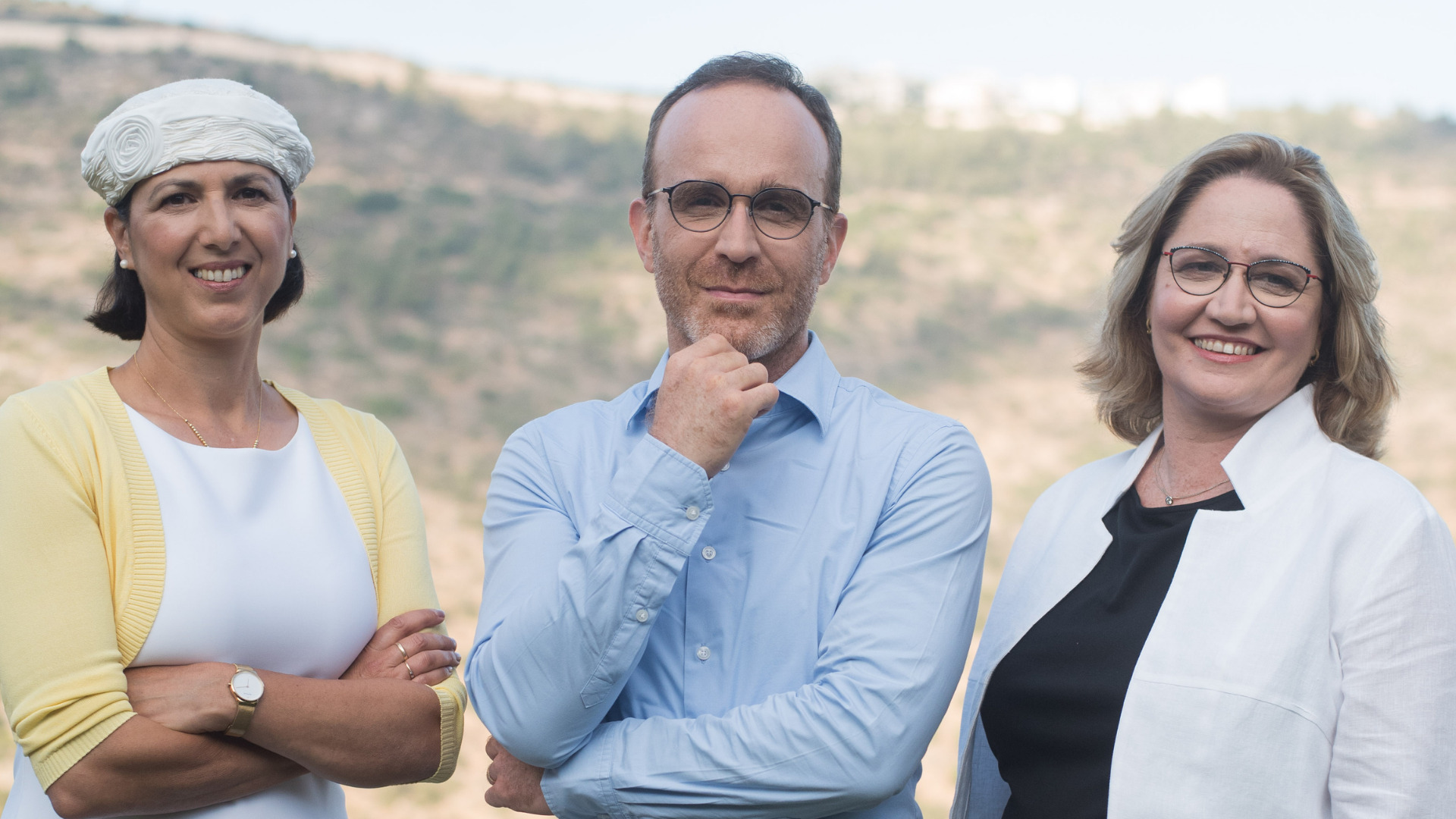
“The fundamental questions of cost, scalability, and product quality [in cultivated meat] have largely been answered,” claims Aleph Farms CEO Didier Toubia.
The challenge now, he says, is twofold: “First, developing the right model and partnerships to move through the initial scale-up phase and reach profitability over the next two to three years. Second, shorter and clearer regulatory pathways, which would let validated products reach market faster.”
Aleph has recently laid off some team members following plans to shift production in Israel from its pilot facility to third parties, he confirms. “Aleph is moving to outsourced production in Israel through partners, the same approach it uses in Switzerland with The Cultured Hub and in Singapore with Cell Agritech, where manufacturing scale is anchored in Penang. This is a more capital-efficient path to scale than building and operating our own plants.
“The size of the team reflects that shift in structure rather than a change in our activity or ambition.”
Lower-cost path to whole cuts in 5,000-L bioreactors
Aleph has also modified its core platform enabling it to make whole cut beef steaks with fewer steps at lower cost, he says. Rather than proliferating cells in one bioreactor and then transferring them to another one for seeding onto plant-based scaffolds, Aleph has ditched the second step.
It now triggers its cells to partially differentiate into fat and muscle in the first bioreactor by altering the media composition. It then harvests the cells and adds them to a plant protein matrix, says Toubia, who is now raising growth capital to support the next phase of scale-up.
“We have fully transitioned to this novel, streamlined process, significantly reducing both step count and production costs. Building on this established process, we have already started technology transfer to our partners in Switzerland and Southeast Asia.”
On bioreactors, “Our approach is to rely on validated designs and sizes to reduce risk and improve scalability, rather than betting on unproven larger formats,” adds CTO Neta Lavon, PhD. “Our TEA showed high margins at price parity using 5,000-liter bioreactors for mammalian cells, which are already in commercial use across bioprocessing. On that basis we do not believe we need to target a larger size at this stage.”
According to Lavon: “Two earlier steps underpin where we are today. We moved to a fully animal-component-free growth medium in 2021, addressing one of the most-cited barriers to cost, quality, and regulatory acceptance ahead of much of the field. And our independent TEA validated that profitability is achievable using non-modified, non-GMO cells with equipment available today, an approach long assumed too costly.”
Price parity with conventional beef
An independent techno-economic analysis “indicates that production can scale profitably with technology and equipment available today,” claims Toubia. This projects a 47% gross margin at price parity with conventional beef, a unit production cost of $6.45 per pound, and a payback period in 2.5 years.
“Regulatory processes are advancing in Switzerland and Singapore, and we are preparing to launch Petit Steak as those clearances complete.”
As to the basic rationale behind cultivated meat, he says: “The durable appeal is food security and supply chain resilience. Over the past five years we have seen the same pattern repeat: COVID, the war in Ukraine, escalating tariffs, and now instability in the Gulf. Each placed new restrictions on global trade through contested straits and closed borders, and each exposed the same fracture points in how food moves around the world.
“The common vulnerability is concentration, long supply chains that depend on a small number of regions and chokepoints. Cultivated foods help address this by allowing protein to be produced closer to demand and diversified across geographies, which reduces exposure to those shocks.”
Supermeat (Israel, chicken): differentiation provides manufacturing benefits
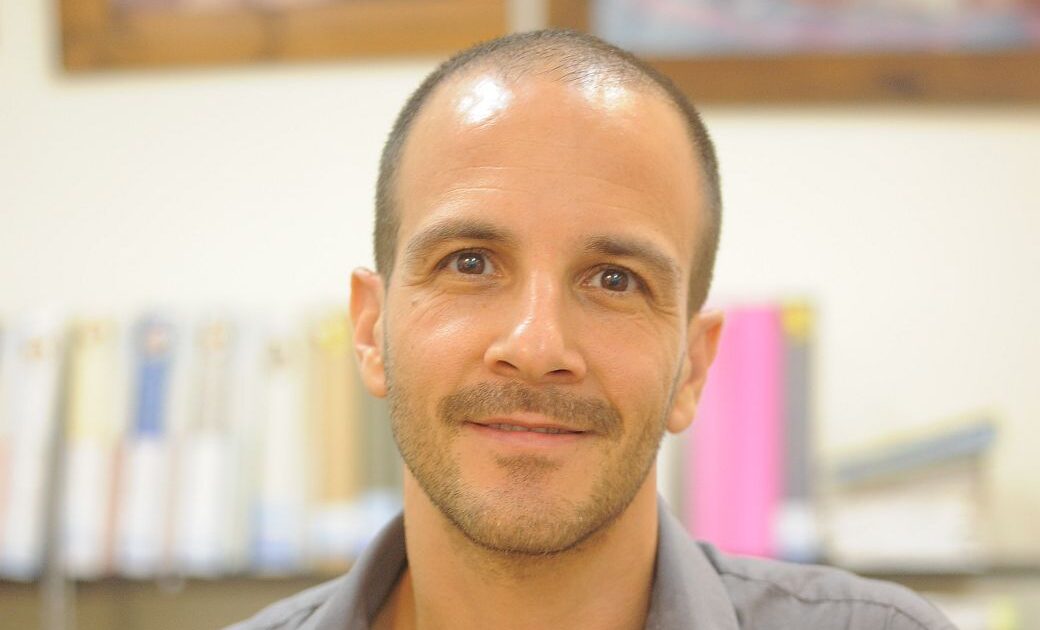
SuperMeat, which recently completed a financing round for an undisclosed sum, is focused on a capital-efficient model built around licensing and partner-led manufacturing, with Europe as a primary commercialization pathway, says cofounder and CEO Ido Savir.
“Our strategy is centered on partnering with established food and ingredient companies, enabling them to produce cultivated chicken using our technology platform,” adds Savir, who says cultivated meat represents an opportunity to diversify protein production and reduce exposure to disease outbreaks, livestock volatility, and climate-related pressures.
According to Savir: “Full cost parity is not required to begin commercialization. What matters is a credible path to economically viable production at scale, together with a product value proposition that justifies adoption.”
We don’t need an entirely new classes of bioreactors
While some firms have claimed that the economics only make sense at massive scale, bioreactors already proven for large-scale vaccine and biologics manufacturing are sufficient to support commercial cultivated meat production, claims Savir.
“While larger volumes can improve economics in some cases, we do not believe profitability depends on developing entirely new classes of bioreactors. The more important factor is process efficiency. Achieving high productivity, efficient media utilization, strong yields, and reliable operation within established engineering systems has a greater impact on economics than increasing vessel size.”
Once cultivated chicken demonstrates strong consumer acceptance and repeat purchase, it creates the case for broader investment, partner expansion, and deployment across markets, categories, and production volumes, he says.
“This could be the category’s ChatGPT moment: the point where the market stops debating the concept and starts seeing the scale of the opportunity.”
A validated manufacturing platform
From a technical perspective, Supermeat has been able to demonstrate “reliable and powerful cell performance, animal-component-free media, continuous production, muscle and fat formation, process control, product functionality, and efficiencies that support commercial cost targets,” claims Savir.
“This changes the investment case. SuperMeat is no longer only proving that cultivated chicken can be produced. We have built a validated manufacturing platform designed to use existing fermentation infrastructure and industrial capabilities to produce the core meat components the industry is built around: muscle and fat.
“That makes the path to scale more practical, more capital-efficient, and more aligned with how food and ingredient manufacturing already works. This is where we believe the real value sits: a licensable cultivated chicken platform that can be transferred, scaled, and commercialized through partners at commercially relevant cost and quality.”
Differentiation, but no scaffolding required
Supermeat’s cells are proliferated in a bioreactor before being progressively transferred to a second set of bioreactors with media that triggers them to differentiate into fat, muscle, and potentially other types of animal tissue, without requiring scaffolding as the aggregates excrete their own ECM-related molecules, he says.
“It’s important to note that undifferentiated cell mass plays a valuable role in cultivated meat products. Nonetheless, we see differentiation as an important part of supplying the characteristics associated with conventional meat. As cells mature into muscle and fat tissues, they develop attributes that contribute to flavor, aroma, texture, mouthfeel, and functionality. Fat, for example, plays an important role in the flavor delivery of the meat.”
Differentiation also provides manufacturing benefits, he claims. “As cells mature, like in the animal’s body, they accumulate greater mass, increasing production yield. As a result, the differentiation stage contributes not only to product quality and functionality, but substantially improves production efficiency, reduces manufacturing costs and allows for a much higher yield production system.”
👉 Mosa Meat (Netherlands, initial focus: cultivated fat): economic viability possible at a ‘relatively small scale’

Dutch startup Mosa Meat, which raised $17.6 million in December 2025, has been laser-focused on getting the fundamentals right before spending vast sums on scaling up before its tech is ready for prime time, says CEO Maarten Bosch.
Mosa Meat has worked both with bovine satellite cells (adult muscle stem/progenitor cells) and fibro-adipogenic progenitors (FAPs), which are present in bovine muscle and behave like fat.
The latter are its initial focus, says Bosch, who is awaiting market approvals in the UK, the EU, Switzerland and Singapore. “The dossiers we have submitted are for fat cells as an ingredient. We are developing our own burger patties but are also working with third parties to elevate their plant-based products. Our focus is delivering a great tasting product at an affordable price.”
With increased efficiency in cell density and yield per liter of medium, “economic viability is possible at a relatively small scale,” he claims. “In our journey from pharma-grade process inputs to food-grade inputs we have recently found a replacement for albumin that is both available in bulk at low cost and that performs really well, making it a strong driver for cost reduction.
“We also see peers in our field reach process efficiencies and production volumes that enable commercial viability, signaling that our sector is starting to move into a productive, commercial phase.”
👉 Wildtype (US, salmon): ‘We are never buying a used boiler again…’
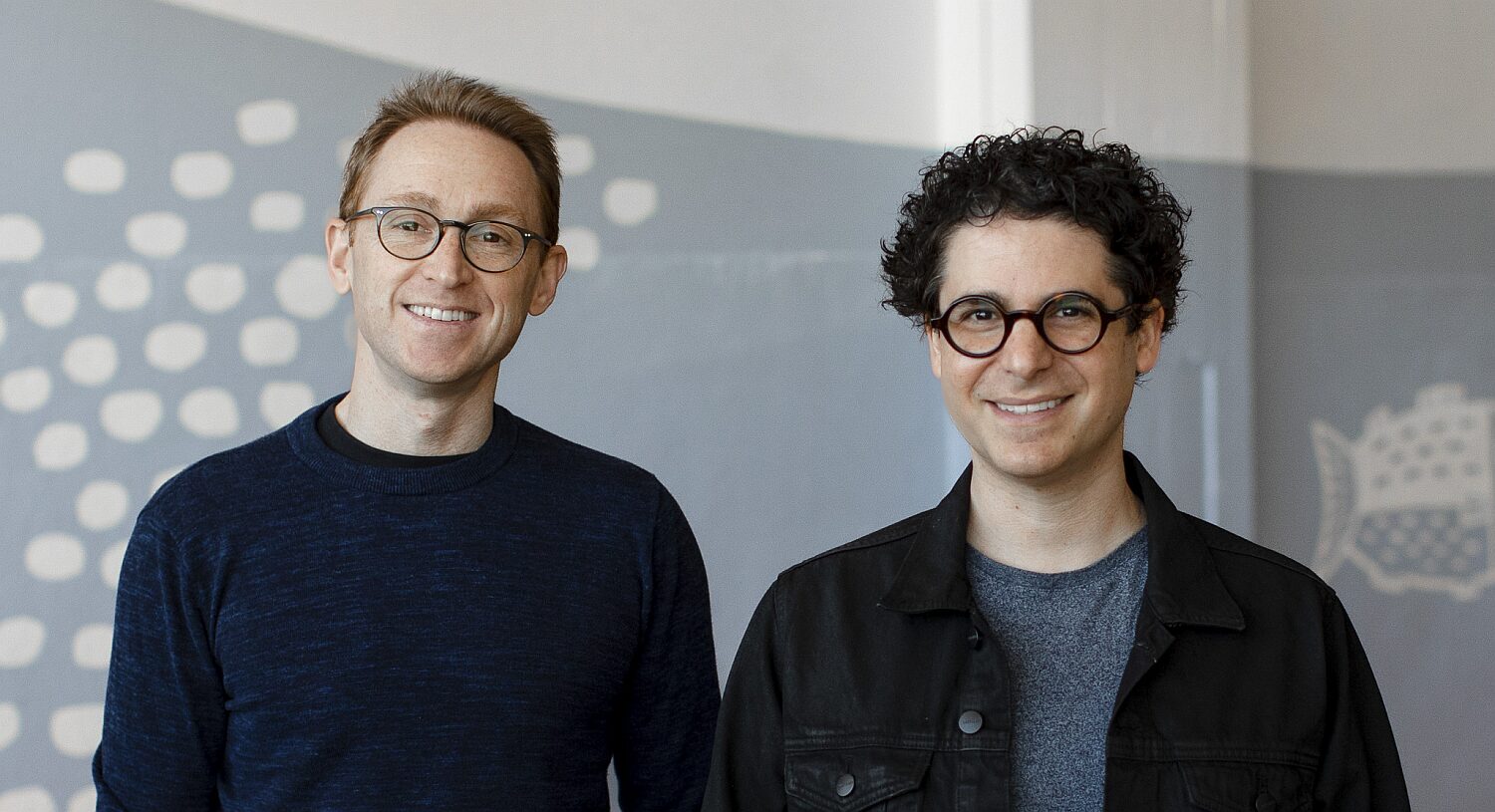
At Wildtype, which secured US regulatory approval for its cell cultivated salmon last year, cofounder and CEO Justin Kolbeck says the firm has been “heads-down on bringing production costs down, scaling, and automating steps that used to be manual.
“Our restaurant partners are willing to pay a premium today, which reflects where we are: microbrewery-scale production in San Francisco, still mostly done by hand. The calculation changes as we move toward retail, which is why driving cost down is a central focus for our crew.”
Foodservice customers relay that “guests love no longer having to think about parasites in their fish and that there’s finally a genuinely sustainable option on the menu—one that doesn’t draw down wild stocks or deplete the wild places where they liv,” he says. For others, the novelty of cultivated food is a draw.
To date, off-the-shelf bioreactors have worked relatively well for its salmon cells, with the harder work further downstream, he adds. “The high overhead of running a manufacturing operation in San Francisco can only be offset once we hit minimum production volumes, and we’re not there yet. On top of that are the ordinary growing pains of any new manufacturing business: raw ingredients that don’t always perform like our baseline and equipment headaches; we are never buying a used boiler again.
“It’s been a year of real ups and downs. It was an amazing feeling to swipe my card at [upscale restaurant] Kann [in Portland, Oregon] last year and see ‘Wildtype’ on the receipt. In the same year we’ve had to grind through deeply unglamorous problems.
“Our biggest technical advances include launching lox which is a real culinary upgrade over our first-generation salmon products. We’ve also continued to reduce manufacturing costs and improved yield and consistency.
For now, he claims, “We have most of the equipment and facilities we need to hit our growth plans; the work ahead is less about new hardware and more about continuing to improve and automate our processes so we can bring Wildtype to more people affordably.”
👉 Ever After Foods (Israel, cultivated meat production platform): Meat, not cells
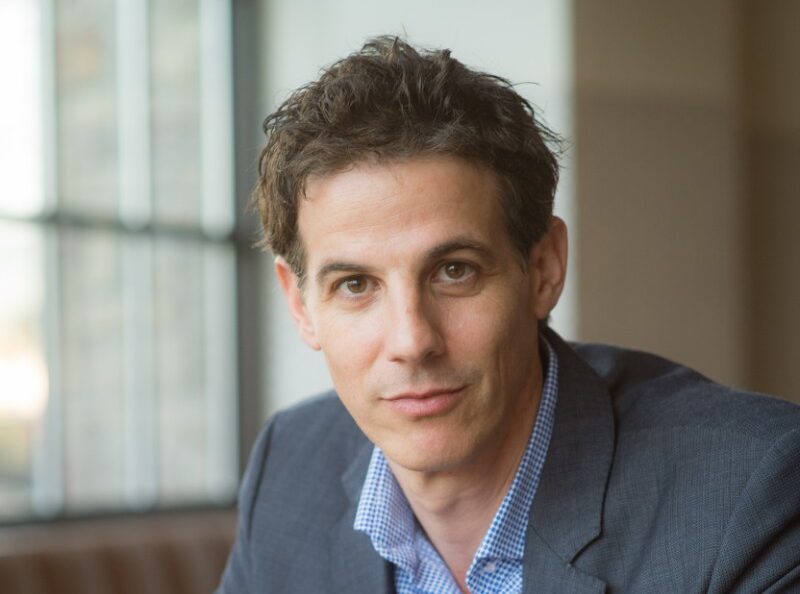
“One of the assumptions that shaped the cultivated meat industry’s first decade was that if enough cells could be produced economically, the meat problem would largely solve itself,” says Ever After Foods CEO Eyal Rosenthal.
But consumers do not buy cells, he says. They buy meat. “Proving cells can grow is not the same as proving meat can be manufactured. Meat is not defined by the presence of cells alone. It is defined by tissue structure. Texture, mouthfeel, functionality, cooking performance, and ultimately the eating experience come from how cells are organized into tissue. The value of meat comes not only from the cells themselves, but from how those cells are assembled into tissue.”
At Ever After Foods, which has worked with Bühler to develop a modular cultivated meat production platform for cultivated meat companies and established food industry players, “We built our technology around this distinction from the beginning,” he says. “Rather than treating tissue formation as a downstream challenge, our platform is designed to support tissue formation during cultivation itself.
“We believe the future leaders in cultivated meat will not be defined by who produces the most cells, but by who produces the most meat.”
Editor’s note: This is not an exhaustive or comprehensive list of players still in the game, which includes Vow, Meatly, UPSIDE Foods, Parima/Gourmey, Umami Bioworks, Clever Carnivore, Magic Valley, Mission Barns, Hoxton Farms, Bene Meat Tecnologies, Biocraft Pet Nutrition, and Friends & Family Pet Food Co, among others.
Further reading:
Meatly CEO on cultivated petfood: ‘We want to prove this can be mass market”