“We’re almost living at the least extreme temperature that we’re going to experience in our lifetime,” Ana Cuddeford told a Future Food Movement roundtable this week.
Cuddeford, who is head of investor engagement at Inside Track, was referring to her panic when her fridge broke down during this summer’s heatwave in the UK. “When people start to feel it on a personal basis, I think that has very definitely switched the mentality.”
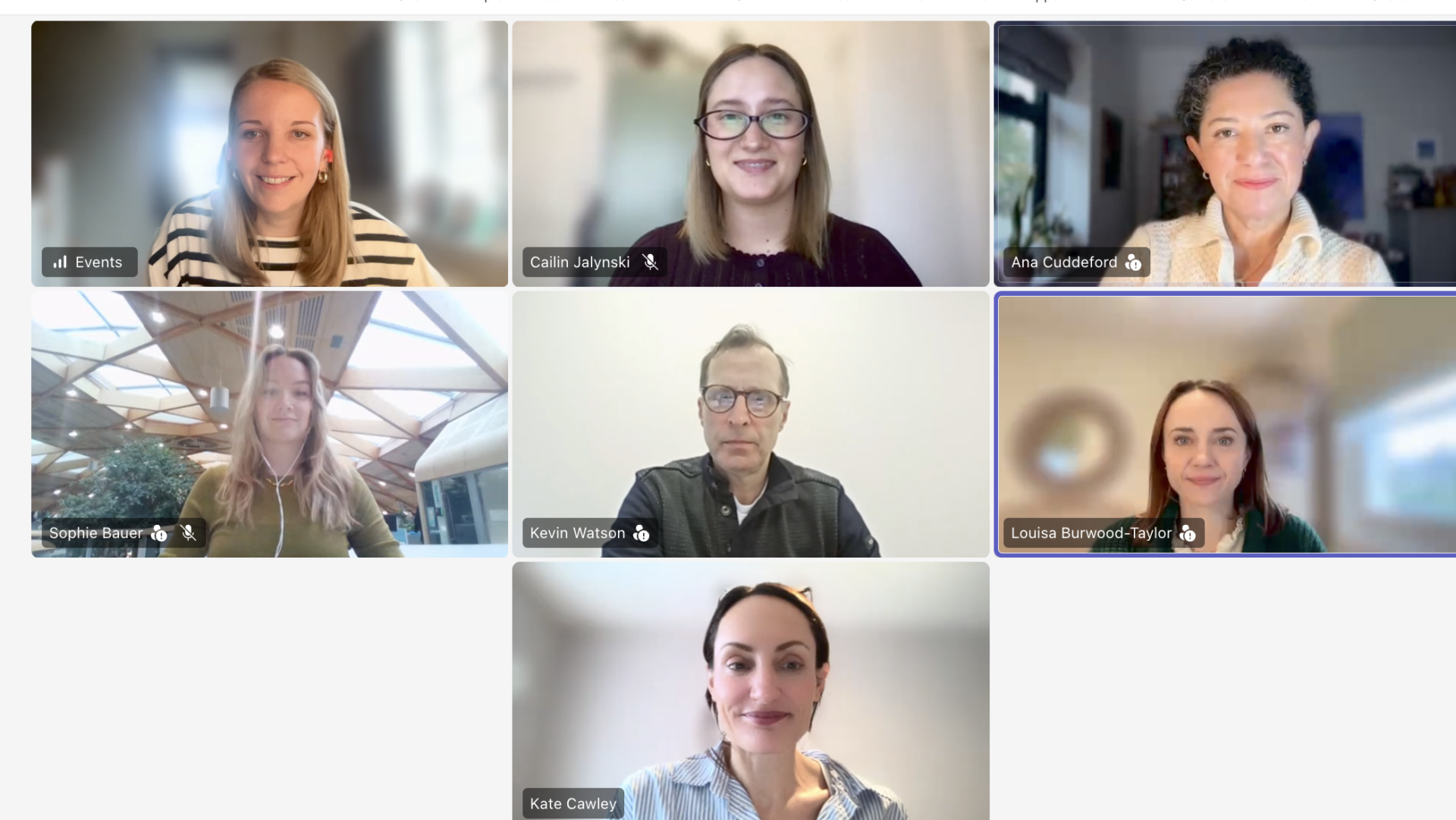
Cuddeford was joined by Kevin Watson of Levy, Sophie Bauer of WWF-UK and myself, moderated by Kate Cawley, the Future Food Movement network’s founder.
Doing too good a job
The paradox came up early and stuck. Food businesses have managed one shock after another, and that success is now part of the problem.
Cuddeford said results at large, listed food companies have held up, and so have valuations. “That risk isn’t really being priced in yet because they’ve been doing brilliantly at managing their supply risk,” she said. “It’s almost becoming the biggest weakness.”
Cawley saw the same thing at the shelf edge. “All of the retailers and the food supply chain are doing such a brilliant job at keeping availability on shelf that the consumer isn’t really feeling it either,” she said. “We’re almost doing too good a job.”
And boards, according to the senior insiders Inside Track works with, are pricing risk “more on a commercial and on a capital allocation basis, and less so on a nature basis,” Cuddeford said.
Where the pressure lands
Bauer, head of food system transformation at WWF-UK, pointed to analysis from the Energy and Climate Intelligence Unit. The UK imports around 40% of the food it eats, she said, and about a quarter of those imports come from regions at high risk for drought, flooding and extreme weather. With El Niño on the way, she expects this year’s harvest problems to repeat.
She also warned against a narrow reading of resilience. Backing British farming is “long overdue,” Bauer said, but the self-sufficiency debate tends to skip the other half of the picture. “We cannot neglect the fact that we are part of a global commodity system, and our overseas footprint does actually impact our national food security.”
WWF’s latest Living Planet Report recorded a 73% average decline in monitored wildlife populations since 1970. Bauer balanced it with a recovery story: Atlantic bluefin tuna, once down 80% from overfishing, has come back through private sector action alongside governments and local communities.
Getting it to the board
Cawley said the same complaint comes up in every group she convenes: getting the board, and the CFO in particular, to treat supply risk as something worth spending money on.
Cuddeford’s answer was insurance. Inside Track recently published a report on insurance and reinsurance, and she said actuaries already have clear views on what they will stop covering,or how much premiums will rise.
“If I were CFO, and I know that my insurance contract gets priced on an annual basis, I would be asking my board, what scenario analysis have we been doing further down the line?”
She added a second test from Inside Track’s food memo. Go back to the scenario analysis you ran five years ago and compare it with what happened. Most planning runs on a 12- to -24-month view, she said, and “mostly it’s that 12-month basis.”
Bauer offered two pathways in. Water risk is the easiest nature issue to land with senior leaders, she said, because everyone understands that food needs water to grow, process and move.
The other is legal exposure. The EU Deforestation Regulation applies from the end of this year, and companies selling into the EU will need to show their ingredients aren’t linked to deforestation. The UK consultation hasn’t opened yet, but Northern Ireland is set to adopt the EU framework. “You can be struck with very hefty fines if you are seen as non-compliant,” she said.
The harder sell is the long-term case. Bauer said the shift to regenerative or nature-positive farming takes around seven years to pay back.
The innovation gap
My contribution was around agrifoodtech innovation and investment as a signal. Venture funding for agrifoodtech start-ups peaked at $56 billion in 2021 and fell to $16 billion last year, according to AgFunder data. Risks across the food system are as high as they have ever been, and the funding going into possible solutions has collapsed. That gap is a risk in its own right.
Plenty of start-ups are working on alternatives to synthetic fertilizer, and to ingredients whose yields are suffering from climate change. But they need customers, and the investors backing them need exits, and large food companies have been slow to buy either the products or the businesses.
A lot of generalist VCs arrived as tourists during the Covid-era boom and left when the hyped categories missed their timelines. A few sectors have held up better: ag biotech, including biological inputs and gene editing, and in Europe, climate-related companies have taken a bigger share of a smaller pool.
Cawley said the founders in Catalysts, a leadership group Future Food Movement convenes, put it bluntly in a recent session. “Businesses might not feel they need us now, but in the next three, four, five years’ time, they very much will.” She recalled them saying. “And actually, we’re not sure we’re going to be here.”
Regulation helps when it creates demand. The deforestation rules should give start-ups working on traceability and measurement, reporting and verification (MRV) the market pull they have lacked while their tools were treated as nice-to-haves for sustainability reports.
There are, of course, examples of corporate action with startups and Watson, chief sustainability officer at Levy, part of Compass Group, a food service company, which feeds around 20 million people a year in the UK, gave the panel a live example. Levy has signed a letter of intent with seaweed packaging company Notpla when its product cost around 240% more than what Levy was using. Four years later, Levy is Notpla’s biggest customer.
What alt protein got wrong
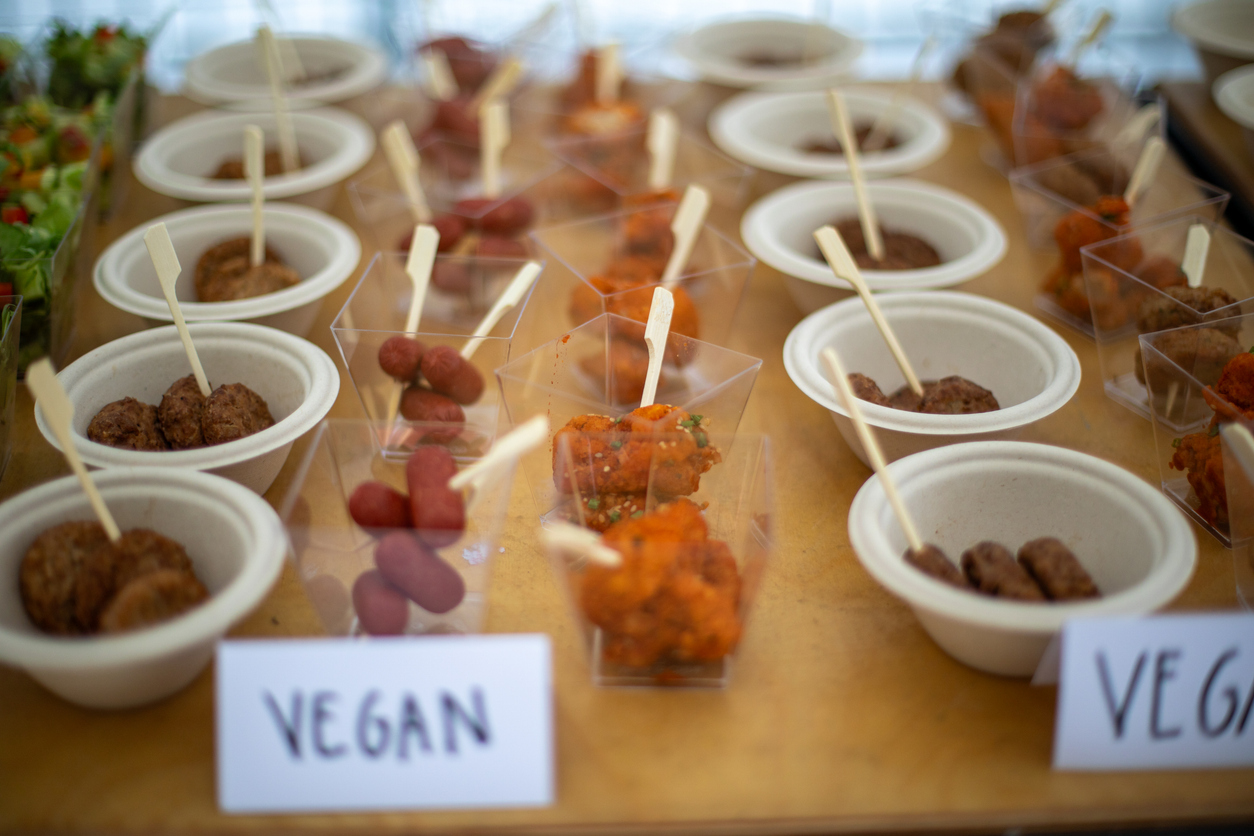
A question from the audience asked what the alternative protein cohort should have done differently. My view is that the industry assumed the climate story would persuade consumers to change their habits for a worse product. Lots of people tried plant-based meat during the Covid-19 pandemic, didn’t like it and never bought it again. Many companies couldn’t survive long enough to improve the product and bring the price down.
The hype ran ahead of all of it and assumptions about consumer demand, and therefore the value of these businesses were massively inflated.
Further, there was a vegan purism to much of the movement, which wasn’t helpful. Around 2020, I asked someone about making a hybrid product: half meat and half plants/cultivated alternative. The reaction was close to horror because their mission was to replace the whole animal; no doubt that also made for a better fundraising story. Yet if the sector had started with hybrids, I think we’d see far more of them on shelves today because they would have tasted better from the get-go, and a 50% cut in meat consumption is still a big cut.
The industry also underestimated how much the ultra-processed food debate would hurt, and how much health would come to drive what people buy. With a lot of people now on GLP-1 drugs, every calorie has to work harder. Pairing a long-term change with an immediate demand, in this case health and nutrition, is the better route.
Watson had already made that bet. In 2022 Levy introduced a signature burger with half the meat replaced by beans and pulses. When it went to mainstream processors, they wanted to double the price because it took the meat out. “So we ended up going to our butchers and made them ourselves,” he said. From 2022 to 2025, it was the only burger Levy served.
This football season Levy has gone further. At venues including Tottenham, Manchester United, the O2, Brentford and Burnley, it now serves 100% wild venison burgers instead of beef because venison is a more sustainable option.
One risk each
Cawley closed by asking each person on the roundtable for the one risk food businesses are most underestimating going into 2027.
Watson picked speed. Environmental, health and social risks are turning into full business risks faster than most companies expect, he said, and they need a route to the executive team and the board.
I raised cybersecurity. Attacks on the food supply chain have been in the news, and with more of the chain going digital, it’s a risk our newsroom is increasingly looking at.
Bauer worried about “crisis response after crisis response.” Boards are paying attention right now, she said, and that is the moment to land the long-term business case. Cleaning up individual supply chains won’t be enough on its own. “Nature and climate impacts don’t just stop at the farm gate.”
Cuddeford had the last word, and it brought the panel back to where it started. Every business is chasing the same supply chains and managing the same risks, she said, and investors are no different.
“The only way we’re going to really be able to shift the needle on any of this is if it is collective action. So less silos, more collaboration.”