Startups, investors, and media outlets like this one love to talk about the potential benefits of digitizing agrifood. Faster decision-making! Bigger yields! Less money spent on labor!
We’re not so great at highlighting the cyber threats created when the entire food system gets digitized—threats that, if realized at the extreme end, could be catastrophic to food security around the world.
Case in point: Just this week, hackers forced the temperature of freezers and fridges up to 122 degrees fahrenheit at several hundred French supermarkets, causing food spoilage and fires. According to Reuters, cold aisles in grocery stores, which can typically be controlled over the internet, ran outdated firmware, creating vulnerabilities.
It’s just the latest in a rising number of cyberattacks documented across food and agriculture that have hit everything from breweries and farms to grocery distributors, food processors, and cold-chain operators. Disabling ordering systems at distribution centers? Check. Shutting off HVAC systems at swine farms so that pigs catch pneumonia? Done. Cutting off supply of ingredients to the local KFC? Yep.
What makes cybersecurity in food and agriculture unique is the physical nature of the fallout. While other critical infrastructure sectors also face severe physical risks from digital breaches, a compromised food supply threatens something we all depend on: access to safe, reliable food.
Below is a roundup of the most high-profile attacks in the last few years. Ransomware attacks in the sector doubled in 2025, with 265 recorded incidents—a 29% increase over 2024. I doubt this captures the true size of the problem, since a lot of attacks go unreported.
| Date | Company | Country | Attack type | Est. financial impact | Operational impact |
| Sep 2025 | Asahi Group Holdings | Japan | Ransomware | ~$31M (JPY 5B lost revenue) | 30 factories disrupted; ordering, shipment & production systems down for months; company refused ransom, 1.9m records potentially exposed |
| Mar 2024 | Duvel Moortgat Brewery | Belgium / USA | Ransomware | Undisclosed | Production halted at Belgian and US sites; operations disrupted for several days; 88 GB of data claimed stolen |
| Jun 2024 | Federated Co-operatives Ltd. | Canada | Undisclosed | Undisclosed | Grocery inventory shortages across Western Canada; bread, frozen goods & produce affected; systems offline 2+ weeks |
| Jun 2025 | United Natural Foods (UNFI) | USA | Social engineering + Ransomware | $350–400M (lost sales) | All 53 distribution centers disabled; 30,000+ retailers affected incl. Whole Foods; systems offline for weeks |
| Jul 2026 | Nichirei Logistics | Japan | Undisclosed | Undisclosed | 140 refrigerated distribution centers disrupted; KFC Japan (1,300+ restaurants), Aeon, Kura Sushi, others impacted |
| May 2021 | JBS Foods | USA / Australia | Ransomware | $11M ransom paid | 47 Australian and 9 US sites halted for five days; triggered federal sector security warnings |
| Nov 2023 | Farmer Vital Bircher | Switzerland | Ransomware | Undisclosed | Herd monitoring systems offline; calf died, cow euthanized — first confirmed livestock death from a cyberattack |
| Feb 2023 | Dole Foods | USA | Ransomware | ~$10.5M (Q1 losses) | North American operations shutdown; temporary plant closures |
| Jul 2023 | Campbell Soup Co. | USA | Cyber intrusion | Undisclosed | Plant offline for three days; workers temporarily sent home |
Who it impacts, and how
For investors, cyber attacks on agrifood could wipe out a year of revenue, trigger regulatory scrutiny, and decimate customer relationships overnight. After all, the agrifood companies building the next “physical AI” offering, logistics platform, or smart harvester are also building new opportunities for bad actors. Analyzing the security of these offerings needs to become a part of the due diligence process if it isn’t already.
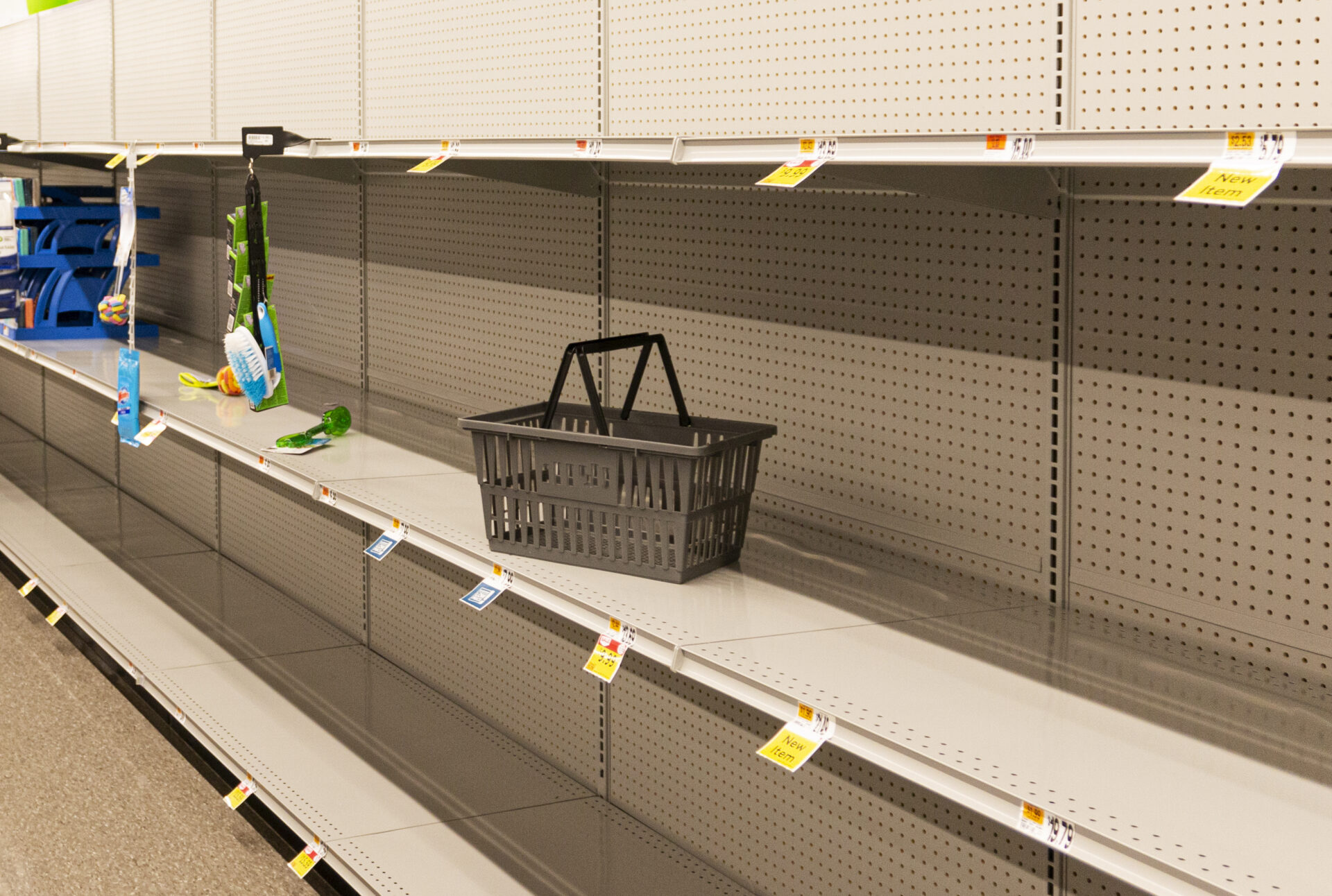
For food companies and operators, the threat is existential in ways that most sectors don’t face. As this week’s attack in France shows, spoiled food is a spoiled product, and nothing says vulnerability like empty grocery store shelves.
Advances in farming and food production technology have created a playing field for hackers that arguably didn’t exist a decade ago. Little dialogue about running off secure systems exists for this group. In the US, the FBI and CISA have both flagged precision agriculture as an emerging vulnerability, but the federal advisory on the subject hasn’t been updated since 2018.
For governments, the food system is critical infrastructure, but requirements for mandatory disclosure of attacks remain weak. That means the true scale of the problem is almost certainly larger than the data suggests.
Making cyberhealth part of agrifood health
One hopeful bit of news came last week, when researchers across the country published recommendations for building “a nationwide consortium approach to ag cybersecurity.” Published in Nature Food, the research follows workshops with more than 150 participants across farms, ag cooperatives, agribusinesses, NGOs, academia, government, and cybersecurity businesses themselves.
The research envisions an Agriculture Cybersecurity Consortium built to help the food system transition from “reactive crisis management toward anticipatory, national-level resilience.”
The ACC would gather farms, cooperatives, cybersecurity businesses, ag businesses, government, academia, and others to solve cybersecurity challenges and provide more education.
“Every day, millions of small- and medium-sized agrifood operations across the supply chain face very real cyber risks, though many may not realize how vulnerable they are,” Richard Hull, a principal scientist at IC-FOODS and computer science lecturer at UC Davis, said in a statement. “With the advent of agentic AI, cyber attacks are growing in number and sophistication.”
He said his hope with the paper is to “accelerate a shift toward making cyberhealth a fundamental part of agrifood operations, alongside crop health, animal health and food safety.”
“As a nation, we are rapidly transitioning from the traditional ‘farm-to-fork’ supply chain to a digitally interconnected ecosystem that can be described as ‘farm-to-fiber,’ added Virginia Tech professor Feras Batarseh, who is also director of AI assurance and applications at A3 Lab.
“This evolution reflects the growing reliance on AI, automation, data, and interconnected technologies across food production, processing, and distribution — a notion that places cybersecurity of critical agricultural infrastructure at the center of food security.”
‘A culture of talking about cybersecurity’
In a recent chat with me, agtech analyst and consultant Rhishi Pethe mentioned building “a culture of talking about cybersecurity.” This isn’t new: banking and healthcare have had this dialogue for decades. As Pethe suggests, there’s no need to reinvent any wheels here; look to these industries and see what tactics could apply to agrifood.
“It’s always a cat-and-mouse game between bad actors and defenders,” says Pethe. “But if the defenders are not prepared, you could have some really bad outcomes in the near future.”
To be sure, the bird’s-eye view of the problem is overwhelming, given the many ways hackers can disrupt the food system (see chart above).
But the problem isn’t going to go away. And with that in mind, over the coming months, I am going to dig into this Gordian knot of a topic to try and help build that culture of talking about cybersecurity Pethe describes.
We’ll be talking to founders building security infrastructure for food and ag, investors who are starting to ask the right questions, operators who have lived through attacks, and policymakers wrestling with a regulatory framework that hasn’t caught up with the technology. We’ll be examining where the real vulnerabilities lie, what best practices are emerging, and what the investment opportunity in food and ag security actually looks like.
Want to contribute? Please drop me a line or message me on LinkedIn and let’s get talking. Before it’s too late.