

Renaissance Bioscience has developed a novel yeast-derived “virus-like particle” (VLP) system which it claims could dramatically expand the scope of its RNA interference (RNAi) based platform, enabling the production of stable, cost-effective biopesticides capable of tackling a far broader range of pests.
To date, the Vancouver-based firm has been engineering baker’s yeast to produce dsRNA designed to target and destroy specific mRNA molecules in pests such as Colorado potato beetles without damaging plants, soil, or surrounding wildlife.
The yeast protects the dsRNA and allows it to be stored at ambient temperatures for lengthy periods, a potential gamechanger in the RNAi space given the fragility of RNA. The only caveat is that the system only works with chewing insects.
Which is where the new VLP platform—the subject of a recently-filed provisional patent—comes in.
In a nutshell, says CSO John Husnik PhD, Renaissance Bioscience is repurposing naturally occurring dsRNA viruses already present inside yeast cells. Renaissance removes the viruses’ genetic material and replaces it with its own dsRNA payloads, creating tiny “protein nano carriers” or VLPs roughly 40–50 nanometers in size, far smaller than yeast cells.
“The yeast harbors a number of double stranded RNA viruses, which are non-infectious and completely harmless to humans, so we essentially hijacked this system and basically said, now you’re going to package our double stranded RNA.”
Beyond chewing insects
Because the original whole-yeast system depended on insects eating yeast cells to release the dsRNA payload, it was largely limited to chewing pests. The far smaller VLPs could potentially broaden uptake and delivery options, theoretically opening up applications in fungicides, herbicides targeting specific weeds, and non-chewing insects, said Husnik.
He acknowledged that Renaissance would have to break open the yeast cells to get at the VLPs, adding an extra layer of cost.
However, their capacity to produce high levels of dsRNA would more than offset the downstream extraction costs, claimed Husnik.
“We’ve discovered a new way to package double stranded RNA inside of yeast and we can get very high levels during production, more so than our previous system, which was already commercially viable. Now we get extraordinary higher amounts and the broader application, that’s why we’re quite excited about it.”
Asked what you can pack within a VLP, he said: “We can package quite a bit of cargo into a VLP right now, but we have been focusing on primarily one [kind of RNA molecule targeting one specific pest].
“You could engineer one to produce multiple types but it’s probably easier to just do another strain [producing another type of RNA targeting a different pest] and then just mix them together at the end [to create a biopesticide capable of zapping multiple pests at once].”
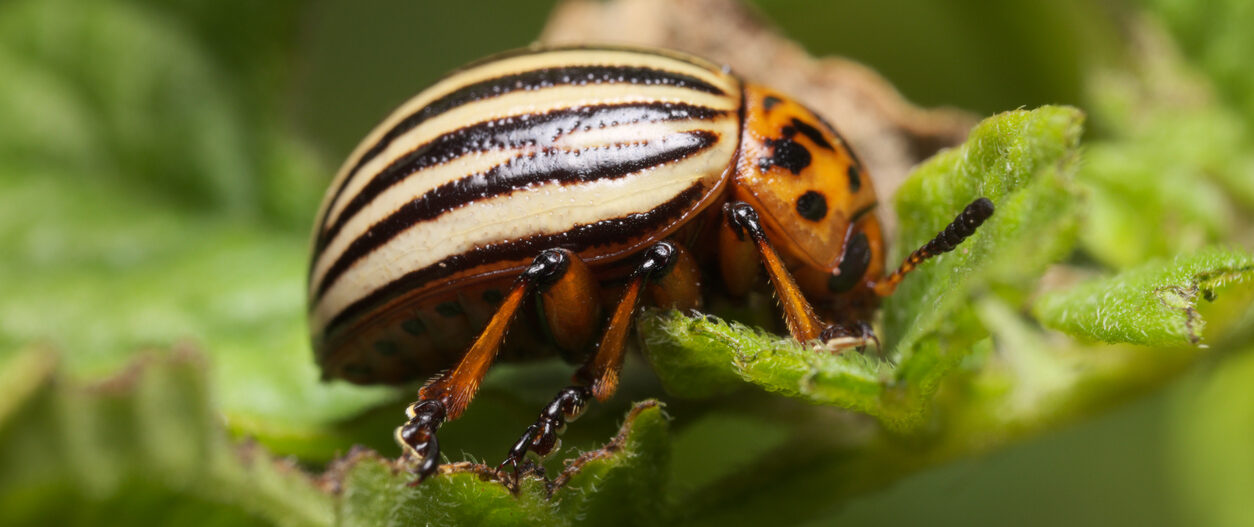
The first generation system in field trials
Renaissance Bio has already conducted field trials of its first generation system primarily targeting the Colorado potato beetle and says it has also worked on other insect targets with partners in Europe under NDA.
The US would likely be the company’s first target market given a more favorable regulatory environment, says Husnik, who says Renaissance is seeking additional partners interested in joint development agreements using yeast-based RNA delivery systems for region- or crop-specific pest and disease challenges.
As for the competitive landscape, Husnik acknowledged that bacterial systems can naturally produce more dsRNA than conventional yeast strains but said Renaissance has been closing the gap through engineering and believes the new VLP platform may effectively eliminate that disadvantage while retaining yeast’s safety and environmental benefits.
The regulatory pathway
Regulatory discussions around the firm’s core yeast platform have focused primarily on the dsRNA active ingredient, Husnik said. But because the second generation system uses protein-shell VLP carriers, Renaissance will need fresh discussions with regulators to determine how the platform will be classified and assessed.
While VLPs are uncharted territory in the ag bio space, he noted, VLPs are also well understood in human medicine, and well-documented in the scientific literature. “Some HPV vaccines use virus like particles.”
But he added: ‘It’s very early days. We literally just filed the provisional patent.”
Further reading:
Tropic bags $105m to scale gene-edited bananas, deploy TR4 resistant bananas in 2027
Yeast-powered RNAi is the future of precision pest management, says Renaissance Bioscience