From pharmaceuticals such as morphine to high-value ingredients used in food and cosmetics, many plant compounds and secondary metabolites remain stubbornly difficult to produce through microbial fermentation. But Japanese startup Fermelanta reckons it has cracked the code…
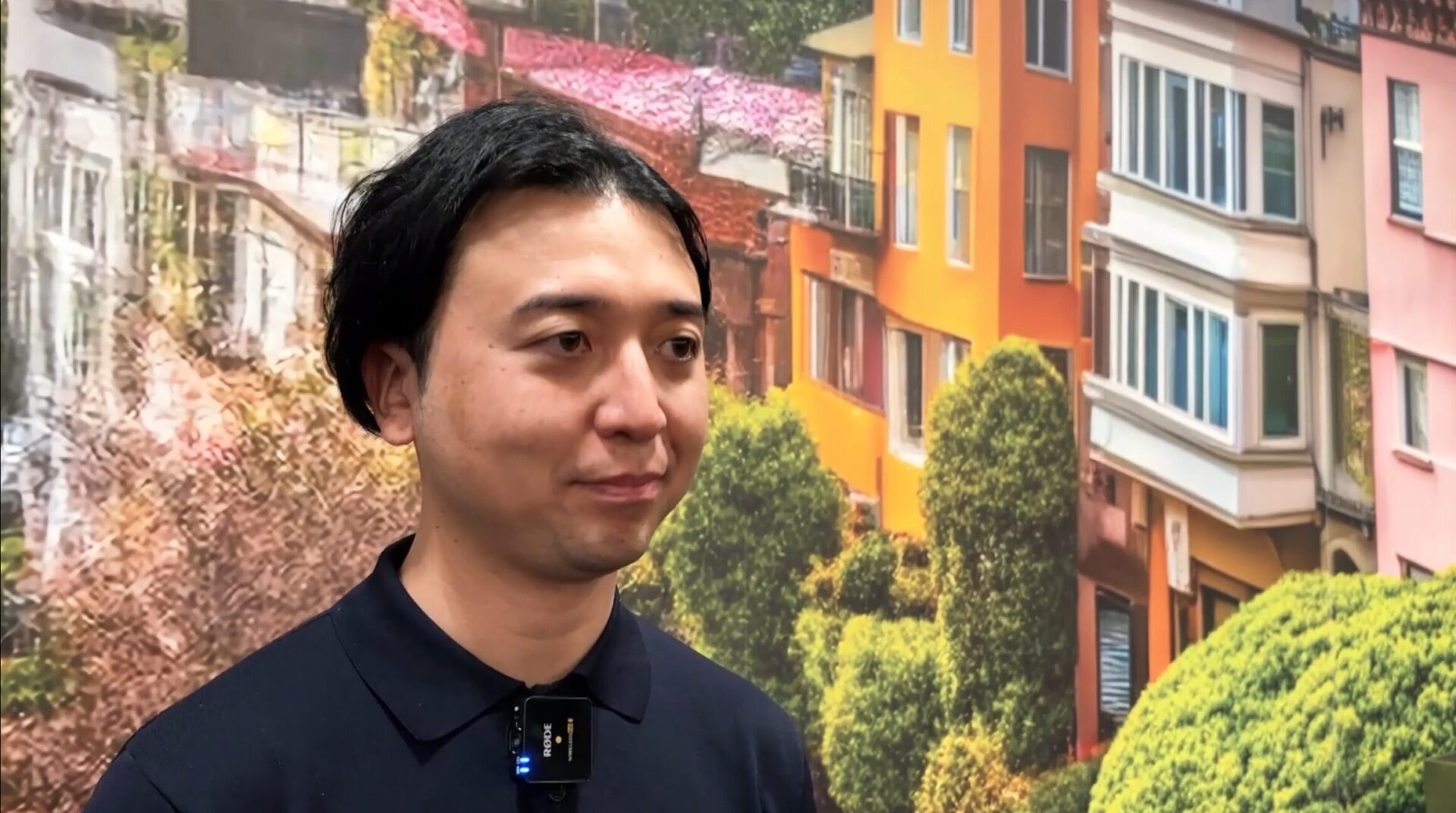
AgFunderNews (AFN) caught up with CEO Shogo Fukizaki (SF) and business development manager Lucas Mixich, PhD (LM) at Future Food-Tech in San Francisco to discuss engineering complex plant pathways into microbes, unlocking rare natural ingredients at scale, and how its multi-gene platform could reshape markets from essential medicines to flavors and fragrances.
AFN: What is Fermelanta trying to achieve?
LM: We really have the process down to enable companies to make ingredients that are already existing more efficiently and more cheaply but also enter new markets that just weren’t available before by using this technology.
AFN: Fermelanta has reproduced the enzymatic pathways to produce some of these secondary plant metabolites in a microbial system by introducing an unprecedented number of plant genes into a single bacterial cell. How many genes are we talking about?
LM: More than 20, almost 30 genes into a single strain. And really the benefits of being able to introduce so many genes is that we have a single fermentation step to produce those. If you broke those down into several fermentation steps, it wouldn’t be efficient, but we can really streamline the production and access molecules of a complexity that just weren’t possible to produce before [in a microbial system].
SF: The introduction of dozens of genes is key, because we have a proprietary tool to efficiently introduce that number of genes, and we don’t use patented tools such as CRISPR… Existing technology typically makes simple molecules or proteins that require only one or two genes [whereas Fermelanta can introduce multiple genes and therefore] we can expand the pipeline.
AFN: What ingredients are you focusing on?
LM: What our founders have been working on for the last 20 years was making strains that can produce rare ingredients for essential medicines such as morphine.
But since then, we have also seen a huge interest in rare ingredients for other markets, not only in medicine, and we’re now expanding into rare flavors, rare fragrances or supplement ingredients, where they also see a need for natural solutions, but high costs are holding them back.
So internally, we’re mostly working on ingredients for the essential medicines market, but we’re also very open to collaborating with companies [in food, nutraceuticals or cosmetics] if they have ingredients in mind. We’re open to explore the opportunity and use our technology as a platform to provide solutions, not only for our internal projects, but also where there is market opportunity with external partners.
AFN: For some of these rare plant-derived ingredients, wouldn’t it make more sense to produce them in plant cell culture?
LM: It sounds like a logical step, right, to produce them using plant cells. However, plant cells usually grow very slowly, and it’s really hard to have an efficient process, whereas the E. coli strains we use are really fast-growing, really easy to culture and grow very fast. They are also pretty cheap to culture as well.
So by using that as a platform that we can modify in any way that we want, we have this cheap production platform that we can use for almost any natural product without relying on the slowly growing specific plant cell that’s used for that one ingredient.
AFN: I understand the company was founded fairly recently, in 2022, but you’re drawing upon many more years of academic research?
LM: So the founders of our company have been working on engineering bacteria strains for the last 20 years. Their goal was being able to manipulate and control on a fundamental level, how E. coli cells specifically behave. So all of that knowledge now comes in, even though we’re a young company, we can use that as a foundation to build a platform of E coli that can produce a lot of useful ingredients.

Sign up for our weekly newsletter.