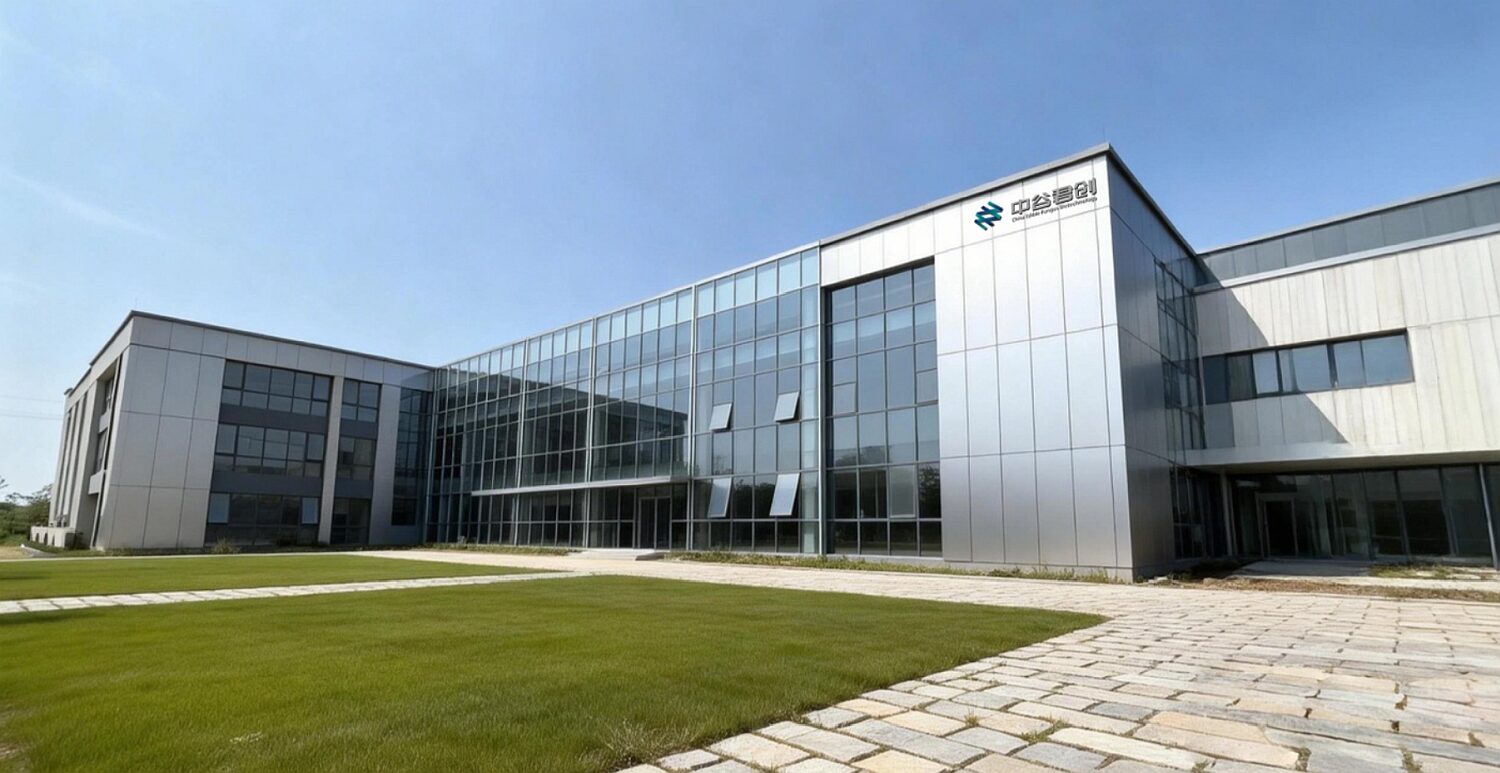
Chinese startup Inner Mongolia ZhongGu Junchuang Biotechnology Development Co., Ltd., has sealed a deal with the Xinjin District Government in Chengdu to establish a mycelium R&D facility and production hub in Chengdu’s Tianfu intelligent manufacturing industrial zone in western China.
The new 43,000 sq ft facility—backed by RMB 150 million (c.$22 million) in government support—will have 20 times the production capacity of the firm’s site in Inner Mongolia in northern China and is expected to begin operations this summer.
ZhongGu Junchuang recently secured an annual contract to supply 1,000 tons of mycelium flour to a client in central China at around $5,000 per ton, explained Tao Zhang, cofounder at Dao Foods International, which invested in ZhongGu Junchuang in 2024.
“This partnership is expected to last 3-5 years. Since current production is fully allocated to customer orders, expansion is required to meet increasing demand,” he told AgFunderNews.
The new Chengdu facility will connect ZhongGu Junchuang’s main base in Inner Mongolia with the rapidly growing markets of Southwest China, says the firm, which was launched just over six years ago. At maximum capacity, it is projected to achieve annual production output valued in hundreds of millions of RMB.
Founder Wenqi Shan said: “Our choice to base operations in Chengdu taps into its innovation hub. Partnering with Sichuan University and others, we are accelerating tech-transfer from lab to industry, keeping our biomass fermentation platforms globally competitive.”
B2b and b2c strategy
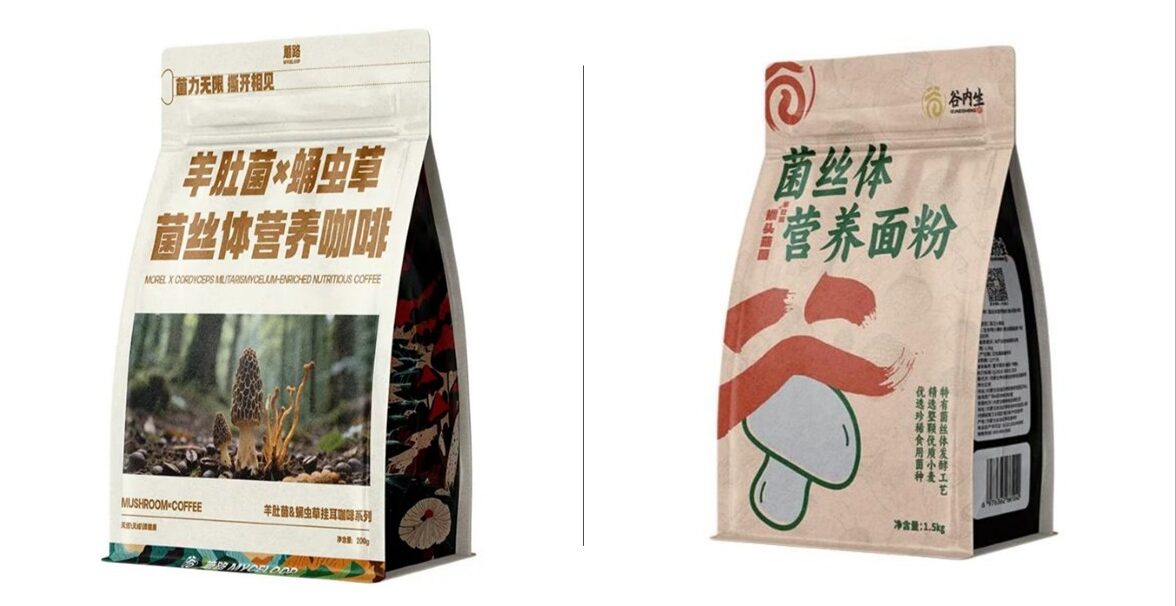
The facility will scale the production of mycelium powders and concentrated purees for b2b customers and CPG products (fungi-based snacks and performance beverages) sold direct to consumers, says the firm, which has developed sub-brands including Myceloop coffee infused with Morel and Cordyceps militaris mycelium, and Gu Nei Sheng mycelium-enriched flour.
To make the flour, cereal grains are directly fermented with fungal inoculants to improve their nutritional credentials and then milled into flour that can then be used to boost the nutritional profile of staples such as dumpling and buns.
The company—which connects directly with consumers via social commerce platforms including Douyin, WeChat, and Taobao—deploys a variety of production methods spanning solid-state and liquid fermentation, Wenqi Shan explained.
“Currently only one solid fermentation tank operates in Hohhot, the capital of Inner Mongolia; however, the new facility under development in Chengdu will feature both solid and liquid fermentation bioreactors.”
Adding value to staple foods
Rather than growing mushroom fruiting bodies, ZhongGu Junchuang only grows mycelium, he said: “We believe that this approach offers clear benefits compared to fruiting bodies, including greater nutritional density, lower manufacturing costs, better scalability in production, and improved extraction of specific compounds.
“On the b2b front, mycelium protein facilitates enhanced product differentiation for traditional manufacturers, enabling them to distinguish their offerings from those of competitors within homogenized markets. This advancement is particularly beneficial for established food companies producing low-value, high-volume items such as instant noodles, biscuits, bread, and beverages, by allowing for increased product value.
“From a b2c perspective, mycelium protein provides consumers with natural fungal protein sources, diverse nutrients, and unique flavor profiles—most notably in coffee, where mycelium fermentation enhances both taste and health attributes.
“Additionally, mycelium presents a safer and healthier alternative for vegetarians and individuals seeking non-meat options. Furthermore, the ‘food as medicine’ paradigm encourages consumers to recognize the functional benefits associated with specific strains, such as Reishi and Lion’s Mane.”
Why Dao Foods International invested
Dao Foods International invested “based on our recognition of the founding team’s dedication to and expertise in mycelium-based food innovation,” explained Zhang. “We were also impressed by the ability of Mr. Shan, who graduated from China Agricultural University, to adapt quickly and demonstrate entrepreneurial resourcefulness.
“Additionally, we value the company’s strong emphasis on both production engineering and the commercial application of its technologies.”