
Latam sugar giant Magdalena is planning a 650,000-L precision fermentation facility next to its sugar mill in Guatemala and building a value-added protein business from spent yeast as it seeks to reduce its reliance on the notoriously volatile sugar market.
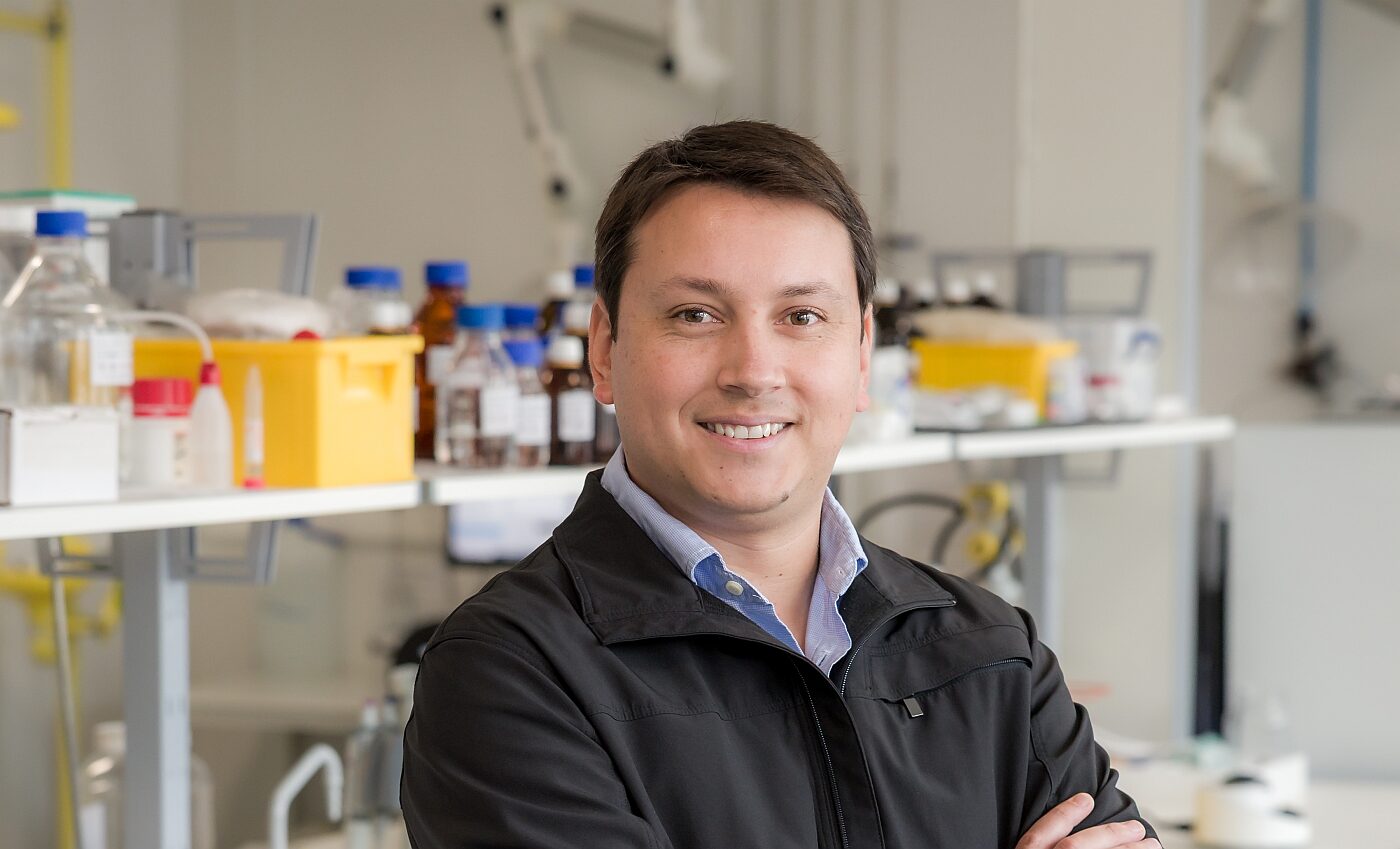
“Through our biochem unit, we are transforming the company from being a producer of commodities to becoming a builder of high-value biological manufacturing businesses,” biochem unit director Andrés Rodas told AgFunderNews.
“This is not a startup pivot. It is an established agricultural company deliberately reallocating capital, talent, and governance toward industrial biology. Carbon is abundant; value is created through biology, so we are leveraging our sugarcane platform as a competitive feedstock advantage and building three core pillars.”
👉 Biorbis (Portugal) – R&D and innovation lab focused on developing high-value molecules and linking science to market applications.
👉 Proteva (Guatemala and Mexico) – Yeast-based protein platform upcycling spent yeast into performance and functional nutrition ingredients for animal feed, aquaculture, and pet food.
👉 Precision fermentation CMO platform (Guatemala) – 650,000-L facility converting sugar into high-value molecules at industrial scale.
Building industrial biology
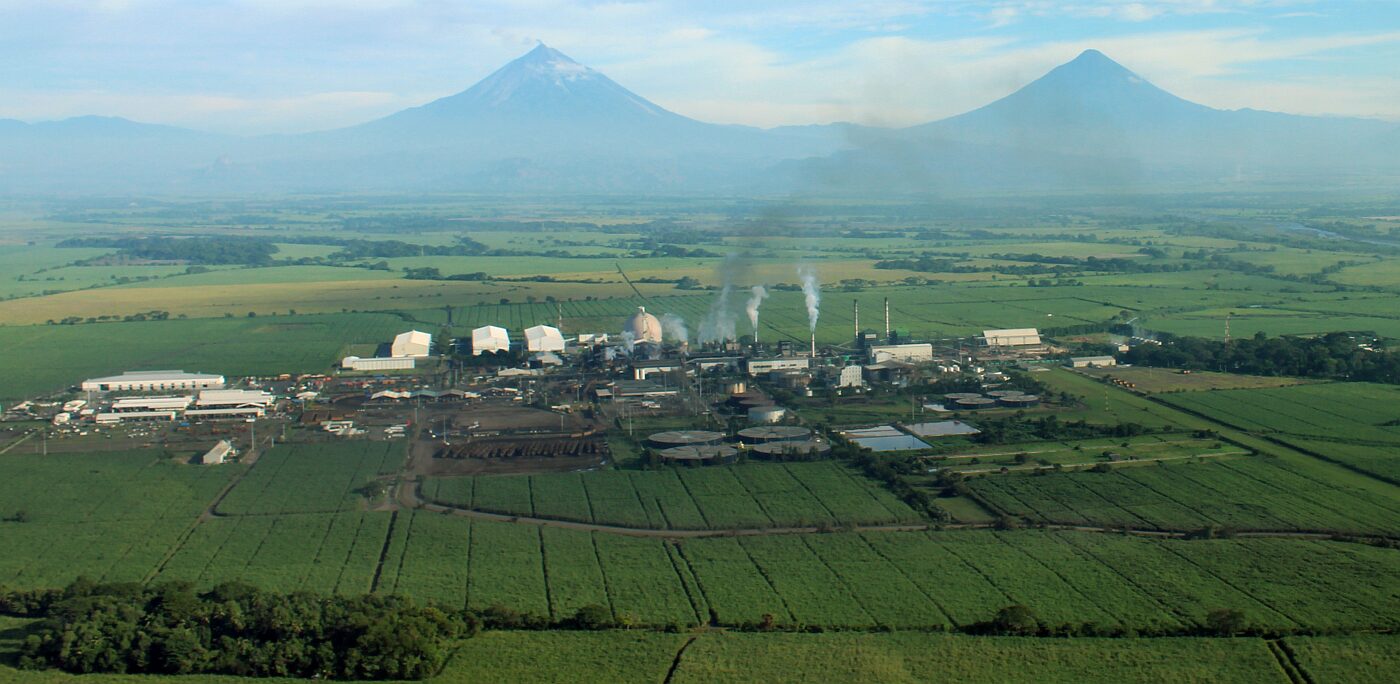
Founded in 1983, family-owned Magdalena is a leading sugar producer and refiner. Like many producers, it has monetized its byproducts via investments into alcohol production (by fermenting molasses) and energy production (by burning bagasse, supplying 12-13% of Guatemala’s electricity).
More recently, it has moved to diversify its operations further with significant investment into synthetic biology with the establishment of a biochem unit focused on synthetic biology and precision fermentation. It has also targeted investments in precision fermentation startups including US-based Oobli [sweet proteins] VinZymes [enzymes for the wine industry] and Amplifye [enzymes claimed to optimize protein digestion] via a ventures arm launched in 2023.
“The challenge with a commodity like sugar is that it’s very volatile,” said Rodas. “In 2017 and 2018, prices were very stressed [they fell dramatically following bumper crops in Brazil, India, Thailand], so we focused on productivity and became very cost efficient.
“After that, we decided that it was risky to operate just one sugar facility so we acquired a sugar mill in Peru in 2025 and we’re increasing capacity in Guatemala. We’re also building a 200-megawatt solar park there, of which 75 megawatts is already built.”
A logical adjacency
A move into precision fermentation is a logical one for Magdalena, which has feedstock (sugar) on hand, infrastructure to support industrial-scale fermentation, engineering, and expertise in bioprocessing from the acquisition of Biorbis, a lab in Portugal previously owned by synthetic biology specialist Amyris, explained Rodas.
“Amyris was going through Chapter 11 [bankruptcy protection] in 2023, and they were restructuring. We took over the lab and the scientists working there and started investing in startups via our ventures arm with a view to becoming a manufacturing partner. We are also limited partners in [early-stage agrifoodtech VC firm] Lever VC.
“We are building a 650,000-L precision fermentation facility in Guatemala, starting with 50,000 liters and a 2,000-L pilot plant. We’re breaking ground in May and aim to be at 650,000-L by 2029. We have clients lined up for the first phase, including our portfolio companies and others, which I cannot name at this point.”
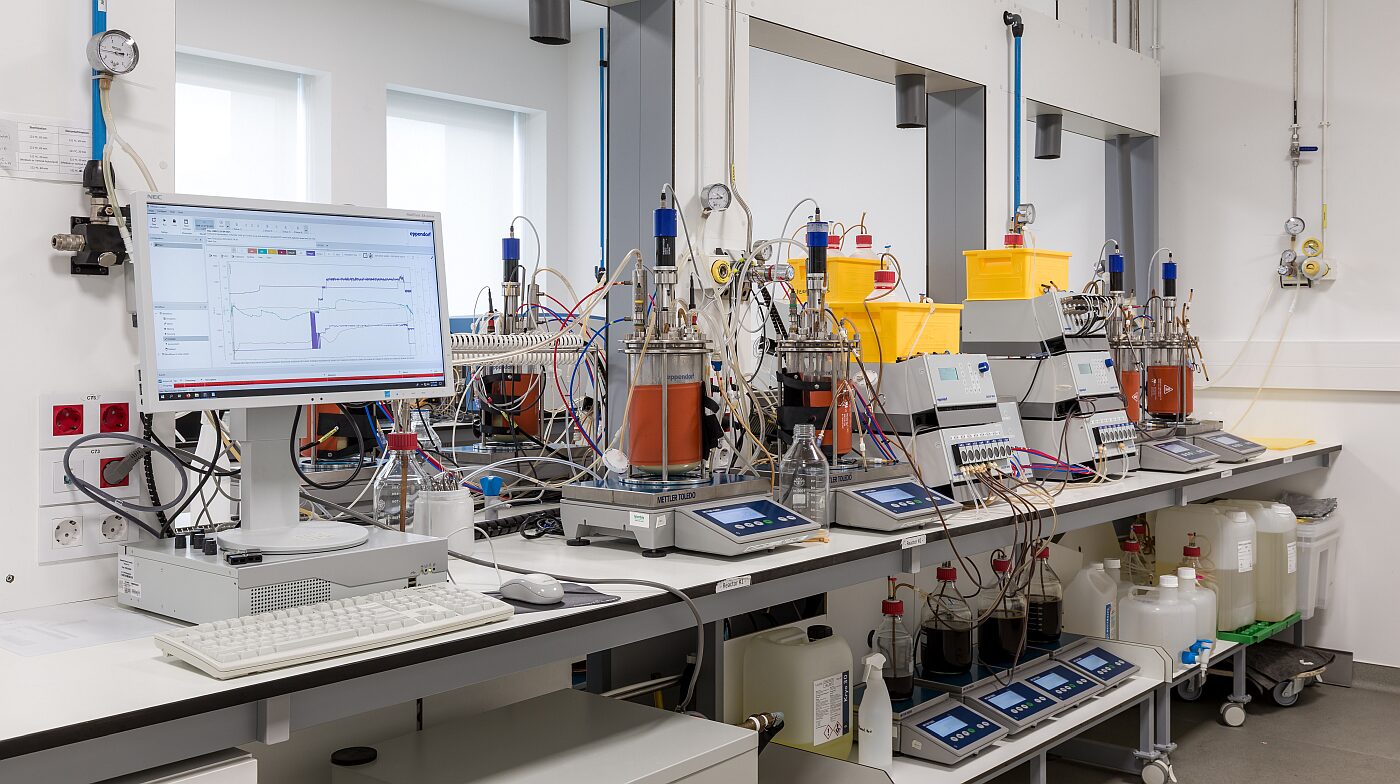
For downstream processing the site will have centrifugation, microfiltration, ultrafiltration, sterile filtration, and spray drying capabilities, he said. “We can do products in liquid such as industrial enzymes and powders such as proteins.”
He added: “We‘ve been funded by the core business, we’re not venture funded, which is way different than a startup, plus we’ve already built commercial credibility with big clients like Coca Cola and Bacardi. Once we have new molecules [from the biotech business], we can actually approach some of the same clients.
“We’re going to be a CMO[contract manufacturing organization] to start with, but our longer-term ambition is to develop and scale up our own molecules, with a particular focus on molecules that are found in nature but are hard to scale.”
Valorizing spent yeast
In addition, Magdalena has set up Proteva, a new business that functionalizes protein from spent yeast used in its distillery (which supplies the beverage and cosmetics market with alcohol) and third-party breweries via enzymatic hydrolysis. This will supply animal feed, pet food, and in the longer-term, human food markets, said Rodas.
“Our first facility is located at our sugar mill in Guatemala. We are advanced on planning and engineering to set up another facility [next to a brewery] in Mexico and have plans to build one also in our sugar mill in Peru. Our proprietary process makes the product very high quality with potential to present our product as more than yeast but as a high functional protein for animal feed and pet food.”
He added: “There’s a lot of potential because you have the proteins and peptides and amino acids but also the cell wall has [health-promoting ingredients including] beta glucans and nucleotides. For our first facility in Guatemala, 90% of the construction is done and we’re commissioning in early April.”
Further reading:
Amplifye debuts enzyme to supercharge protein digestion and unlock new health benefits