Virtual fencing company Halter grabbed the agtech industry’s attention this week with a $220 million Series E raise led by Peter Thiel’s Founders Fund that doubled the New Zealand-based startup’s valuation to $2 billion in less than a year.
The valuation is significant at a time when global agrifoodtech funding is down more than 70% from its 2021 level, after numerous down rounds and startup failures, and showing few signs of a recovery. But it’s a valuation only about 10 agtech companies have ever reached before, even during the heydays of 2021, according to AgFunder’s intelligence engine Gaia. (Half of those startups have since filed for bankruptcy.)
Halter says it currently serves more than 2,000 ranchers and farmers across New Zealand, Australia, and more recently, the US. The company says it has sold 1 million of its solar-powered collars to date.
At the disclosed price of $5-8 per collar, those hardware sales alone don’t explain a $2 billion price tag attached to this round.
Halter’s business model is subscription-based, with pricing starting at around $6-10 per cow per month depending on herd size and market, plus a one-time infrastructure fee for on-farm towers.
At those subscription rates across 1 million collars, Halter’s annual recurring revenue likely sits in the range of $70-100 million, which would imply a revenue multiple north of 20x—aggressive, but not unusual for a high-retention platform business with relatively low global market penetration.
‘$2bn is early innings’
But some investors argue that even that framing undersells the opportunity. The collar gets a sensor onto the animal and virtual fencing is the entry point, but once you’re collecting continuous data from every cow in a herd, health monitoring, reproduction insights, and yield optimization follow, Antony Yousefian, partner at The First Thirty Ventures told AgFunderNews.
“The market is very much undervaluing the potential,” he says. A dairy cow can generate $15,000 or more in gross lifetime revenue. “Catch a health issue two days earlier, tighten a calving interval, improve output quality, and you’re expanding the lifetime value of the animal, not just cutting fencing costs.”
“At sub-1% penetration of 1.5 billion global cattle, $2 billion is early innings,” he adds.
Blackbird, one of Australia’s largest VC firms and a longtime investor in Halter, has also noted seven consecutive months of zero customer churn, and wrote this week that one in 10 ranches in New Zealand already use Halter.
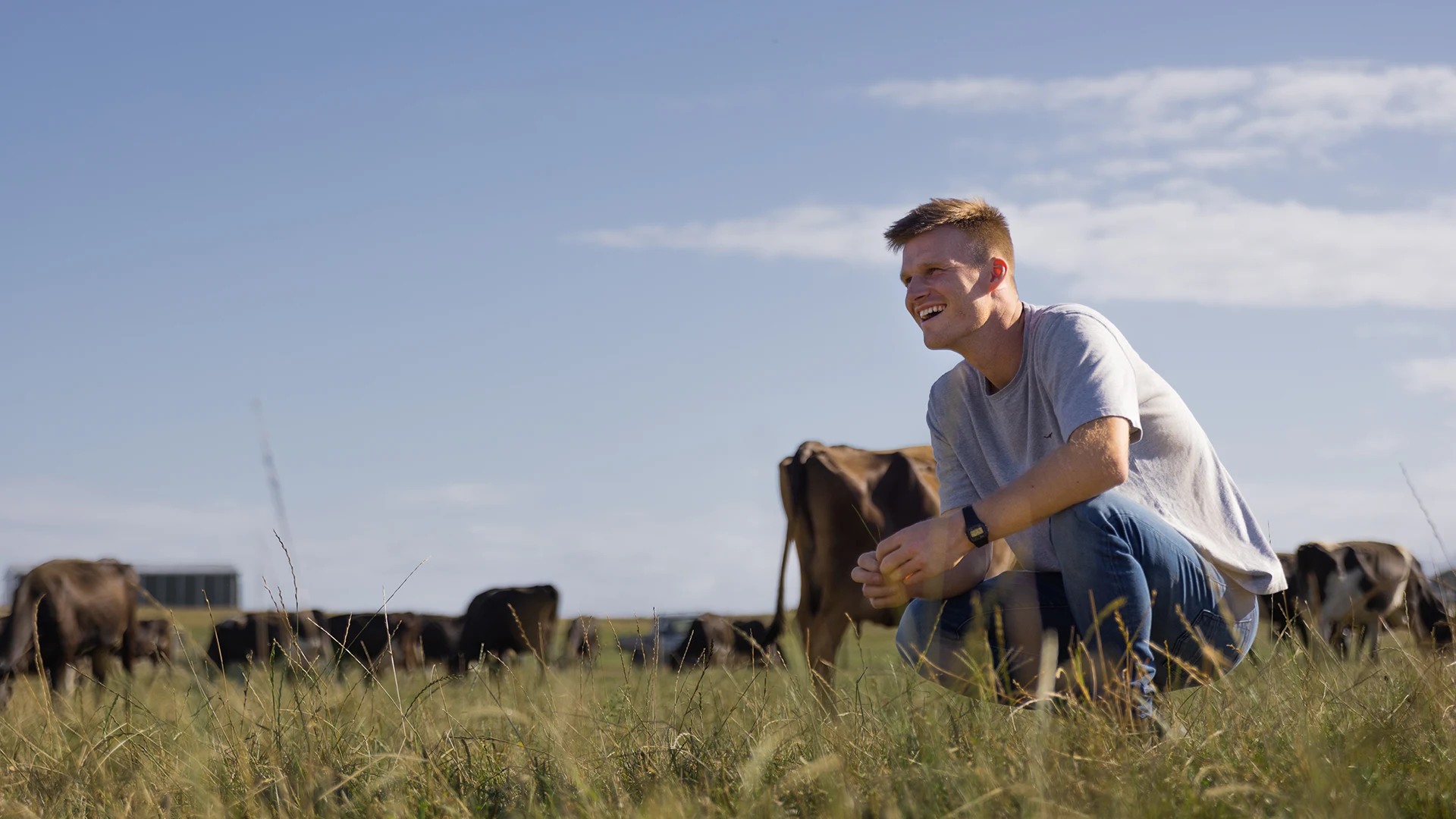
Meanwhile, Halter founder Craig Piggott says he’s never even viewed his company strictly “through the lens of agtech.”
“We feel we shouldn’t be constrained by [only going to] agtech investors,” says Piggott. “Once you have that mindset, it just comes down to how do we build a good business? How do we build a product that makes a difference? Our ranchers need tools that work, and the fact that they’re using Halter tells us our technology has earned their trust.”
Echoing Piggott’s vision of being more than just another agtech company, Blackbird noted this week that, “The mission of Halter is to make half the planet’s habitable landmass more productive and sustainable.”
In other words, it’s about more than replacing physical fencing with cow collars.
More than a fence line
“The reason you get Halter is to help grow and harvest more grass, get more capacity out of your land,” Piggott tells AgFunderNews. “The thought process for our customers is, ‘What’s the weaning weights for my calves I need? How many more head of cattle can I run on my land using a tool like this?'”
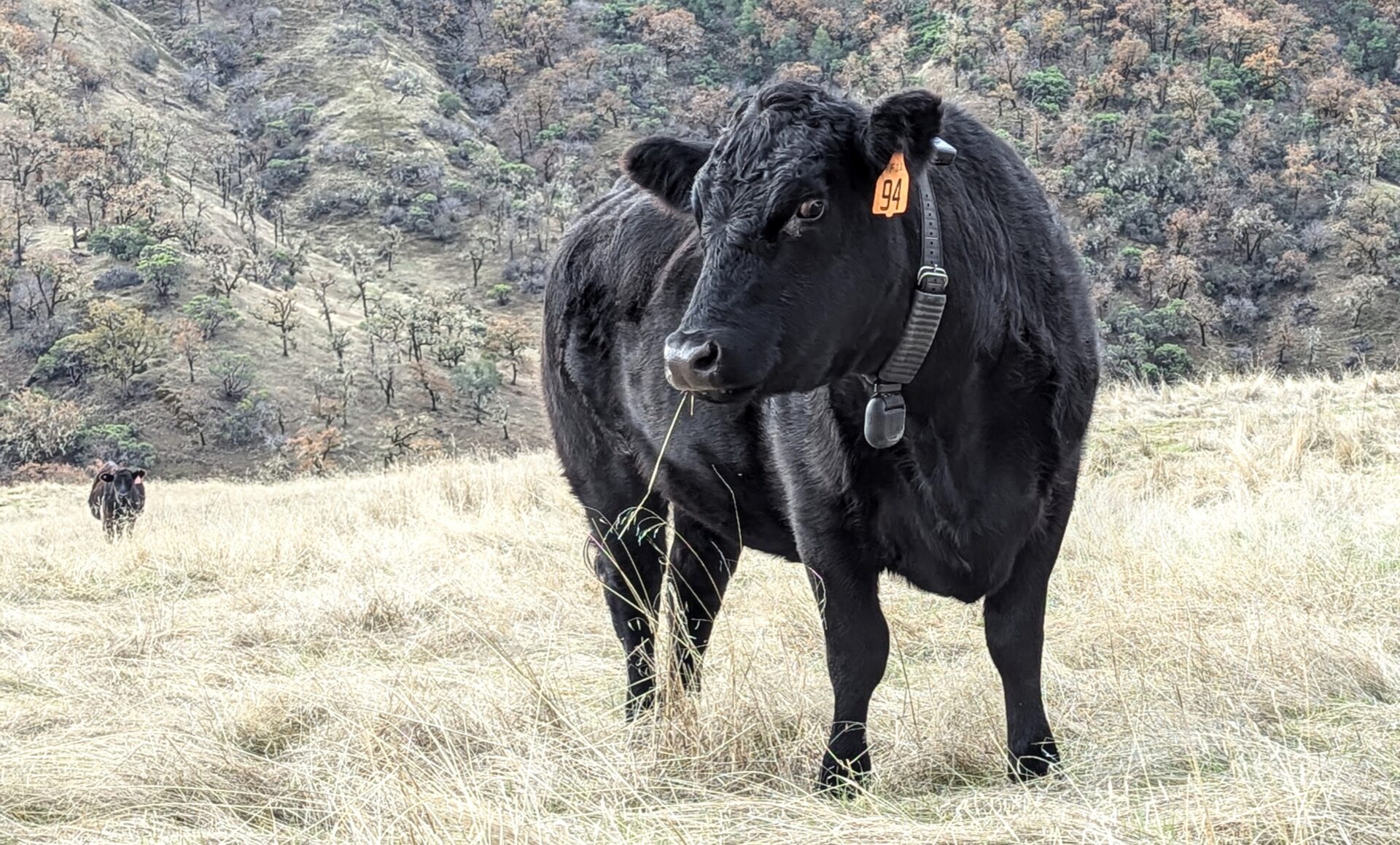
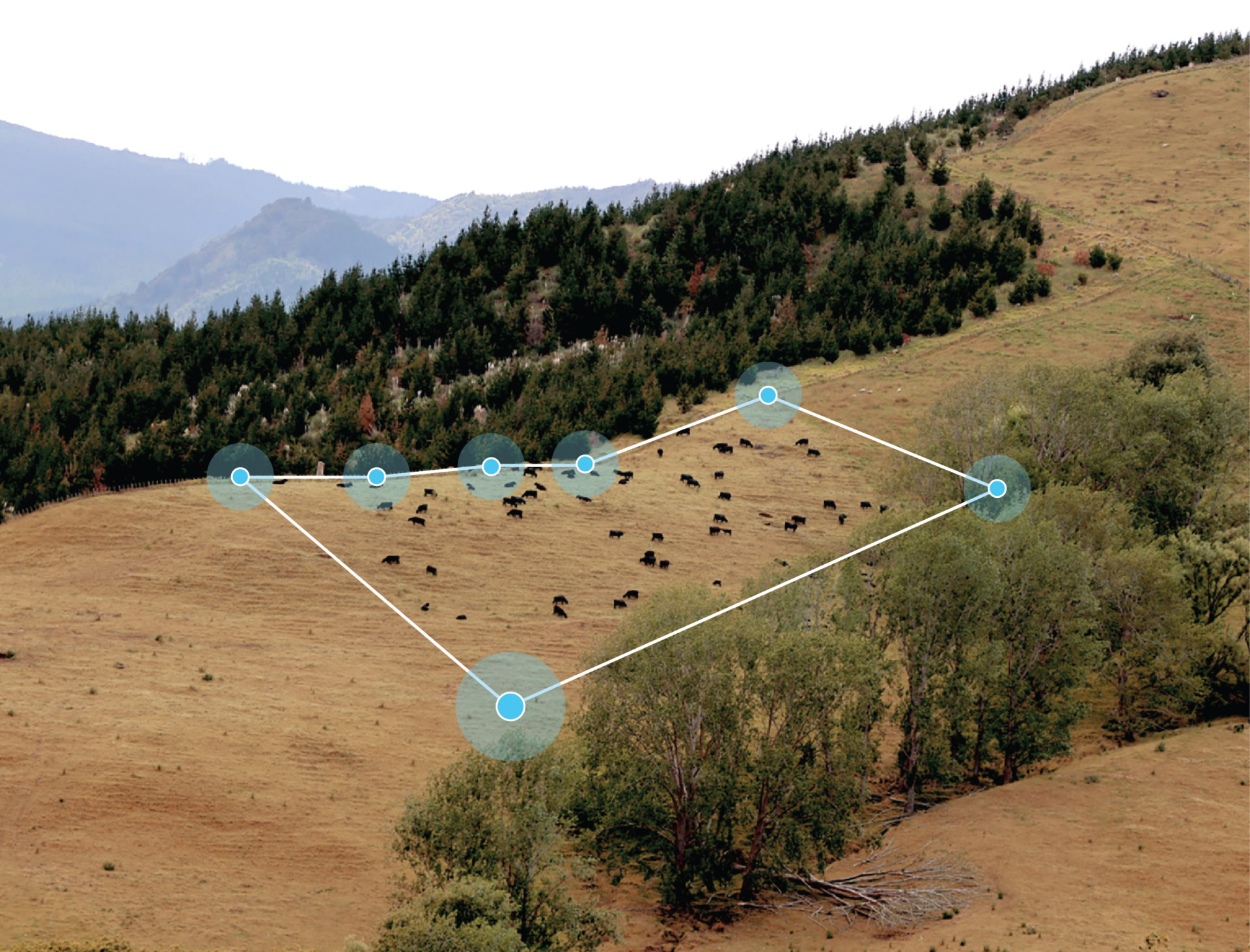
Halter’s solar-powered, wireless collars, worn by cows, connect to transmission towers in the area and emit sounds and vibrations when cows wander too close to the virtual fence lines, pre-set by ranchers using the Halter app.
The technology enables rotational grazing, well known to improve both cattle and grassland health, without the need for physical fencing infrastructure, which, depending on the size of an operation, could cost a rancher thousands of dollars per mile to build.
“You wouldn’t have to build much fence every year to justify [buying] Halter,” says Piggott.
However, it’s not just a matter of replacing physical fences, he adds. More productivity per acre, for both grasses and cattle, is the real draw of a technology like Halter’s.
Enabling this rotational grazing via virtual fencing also protects sensitive areas (riparian buffers and wetlands, for example), enables easier movement from paddock to field, and can save time and money on fencing in the event of wildfires or extensive fence damage from wildlife.
Some Halter customers now run twice as many cattle on their land, thanks to more precise grazing management, says Piggott.
“Fencing is just a tool farmers or ranchers have to control their land. If you need to rest an area, or apply grazing pressure, you typically need to fence it. [With virtual fencing], you actually have control of how you use your herd of cattle and manage your land. It’s not surprising we see customers doubling the productivity of their land.”
Virtual fencing ‘a mindset change’
Piggott is quick to note that Halter’s technology isn’t simply a “set-it-and-forget-it” operation that will work on every single farm out there, at any time.
“You need to be willing to use the product and change what you were doing to some degree. That’s a really important mindset piece,” he notes. “If you really want the returns, you have to be willing to do some level of system change in how you allocate your land. That’s where we see these stories of people doubling or tripling output from their land.”
Practically speaking, a cattle operation also needs reliable cellular connectivity, and sometimes satellite backups, to use the product. And there is always the chance that collars will fail or fall off. (Piggott says this is getting rarer, and that Halter will immediately send a replacement collar in the event.)
Various studies and analyses also suggest that, at least for now, virtual fencing setups deliver the best value in larger (300+ cows) herds, although Halter says it works with smaller operations, too.
The Series E raise will fund growth in Halter’s existing markets New Zealand, Australia, and the US, in addition to eventual expansion into Europe and South America.
In the immediate future, says Piggott, Halter is planning its largest-ever hiring effort, 200 people, to build out its product, engineering, and customer support roles at the company’s New Zealand headquarters.