
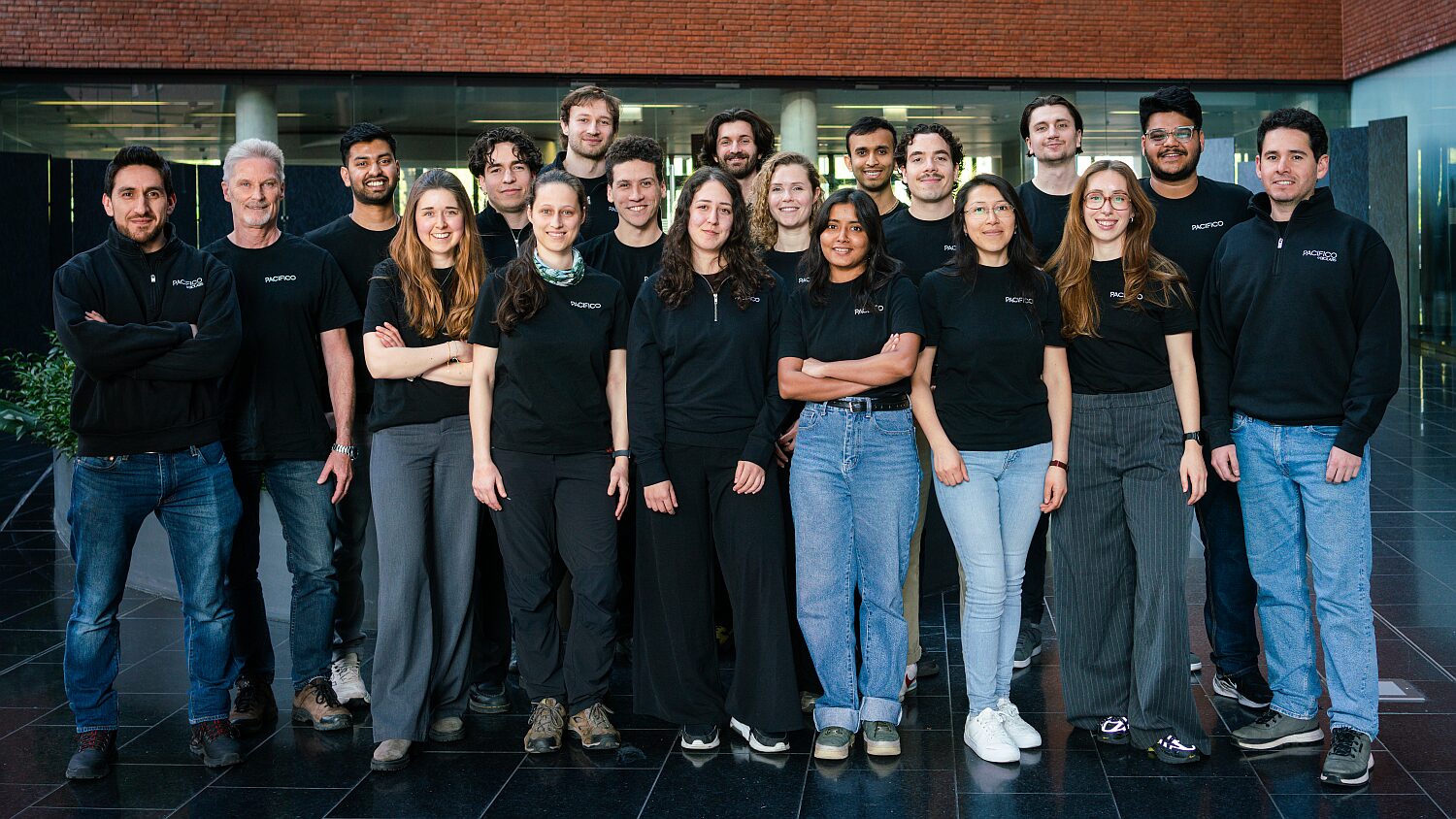
Pacifico Biolabs—a German startup making whole-cut alt-meat from mycelium by tapping into idle infrastructure from the brewing industry—has closed a €7 million ($8.1 million) Series A round and says products could reach retail shelves via brand and retailer partners later this year.
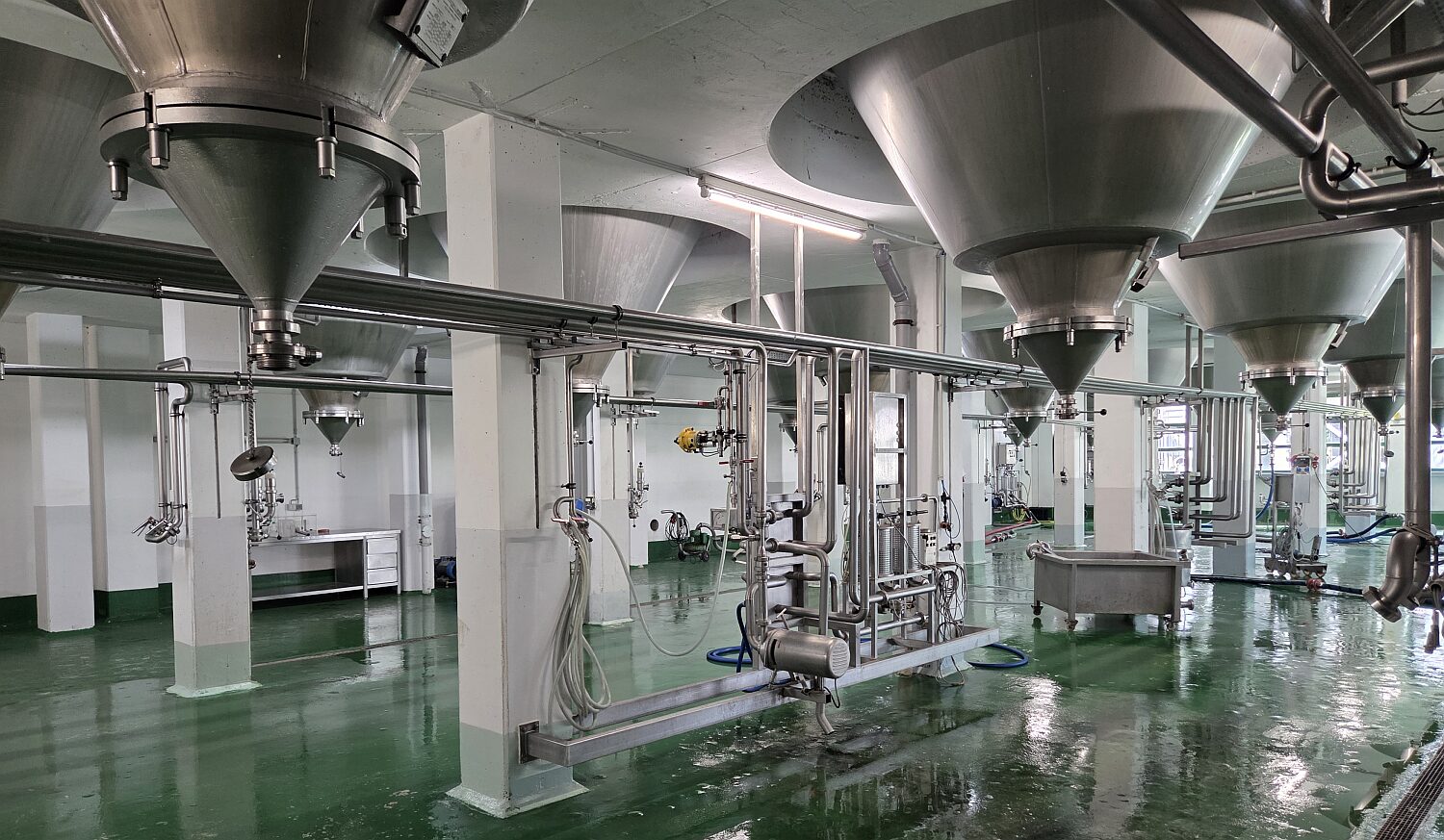
The round, backed by Stray Dog Capital, TGFS, Sprout & About Ventures, Simon Capital, FoodLabs, and a regional brewery partner, will be used to scale production in Saxony to 200 tons per month for commercial launches across Germany, Austria, Switzerland and Nordic Europe.
Founded in 2022 by Zac Austin and Washington Logroño, Pacifico Biolabs says declining beer consumption has created an opportunity for the alt protein industry, which can modify breweries to grow fungi-based meat without spending a fortune on capex for new facilities.
The firm, which is aiming for cost parity “from day one,” has an “elegant, asset-light model,” said Sören Schuster, managing director at TGFS. “The combination of European sovereignty and high capital efficiency makes them a key player in the emerging bioeconomy.”
Andrés Manzanares, principal at Stray Dog Capital, added: “After a decade backing alternative protein companies, we see Pacifico as a clear leader in overcoming the bottlenecks that have held back the category.”
Asked what kinds of modifications are needed to enable a beer brewery tank to work as a mycelium fermenter, Austin told AgFunderNews: “Unfortunately we can’t share too much on the technical side behind the modifications, but we need to install new downstream processing equipment on the brewery site.”
The 200t/month capacity “will be unlocked at one site, however we’re looking at other partnerships as well,” he added.
White label approach
The business model is “both a private label and semi-finished product model,” explained Austin. “Essentially we sell our mycelium products as ready to use by our customers as meat. This can be anything from packaging them as plain pieces, or adding marinades or breading, through to integrating into another product that can be served on a salad. We’re primarily focused on customers with a brand on the shelf, but we are also in foodservice discussions.
“We’re seeing great demand from customers across Europe and beyond from established brands through to large meat companies.”
Austin did not share what fungi type and strain Pacifico Biolabs is using to produce its meat, which in the past it has said can feed from a variety of agrifood side streams. But it has “a very different structure and texture to others like Quorn for example,” he claimed.
From a regulatory perspective, he said, “We’re growing a strain that we can sell in Europe today.”
Asked how the company’s approach compares to that of fellow German startup Nosh.bio, which is also tapping into brewing infrastructure to grow its koji based alt meat products, he said: “We’re very different from a tech approach, despite the brewery similarity.
“We also produce a very different type of product: rather than a hybrid meat ingredient we create whole muscle-like structures that can create products like a chicken breast.”
Biomass fermentation
Pacifico Biolabs is one of several firms using biomass fermentation to grow fungi for meat alternatives, a space that has experienced mixed fortunes in recent years.
Category pioneer Quorn—now owned by Monde Nissin—has had a challenging few years but saw some positive improvements in Q1, 2026, with growth in snacks and frozen ingredients.
Cargill-backed firm ENOUGH Food, which also grows Fusarium venenatum, brought in a new interim CEO last summer, while former CEO and non-executive director Jim Laird told AgFunderNews earlier this year that the firm’s plant in the Netherlands is producing high-quality product “at meaningful levels but not yet at its design capacity.”
He added: “We have demand from a number of large companies and expect to start seeing bigger volumes and consumer products on shelf through the year.”
US-based Meati Foods imploded late last year following a turbulent few months, but Better Meat Co secured a large funding round last year, while Planetary recently netted $28m to build out its fermentation infrastructure and licensing platform.
Other players recently securing large checks to grow fungi via biomass fermentation—although not necessarily targeting the alt-meat space—include MATR, Formo, The Protein Brewery and Enifer.
Infinite Roots, which raised a $58 million round in early 2024 and has also talked about repurposing brewery infrastructure to cut capex costs, this week acquired fellow German startup Bosque Foods, which specializes in whole-cut technology.
Further reading:
Meati Foods property seized for non-payment of taxes
Planetary nets $28m to scale fermentation infrastructure and licensing platform
Enifer enters petfood market as commercial mycoprotein plant nears launch