Finnish startup Solar Foods has just secured €77.8 million ($89.2 million) in grants and loans from Business Finland towards its first commercial-scale food production facility making protein from “thin air” via gas fermentation, but says the funds are contingent upon securing additional financing.
Founded in 2017 as a spinoff from VTT Technical Research Centre of Finland and LUT University, Solar Foods is one of a handful of players making protein via microbes that get their food source from gases rather than sugars.
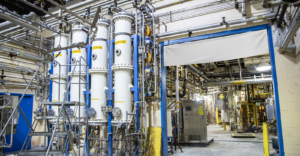
It is currently operating out of a pilot facility (Factory 01) scaling to 230 tons per year, but hopes to open phase one (3,200 tons/year) of a large-scale facility (Factory 02) in late 2028.
The plan is to work with a network of strategic partners handling real estate, hydrogen production, electricity grids, and cooling and heating capacity.
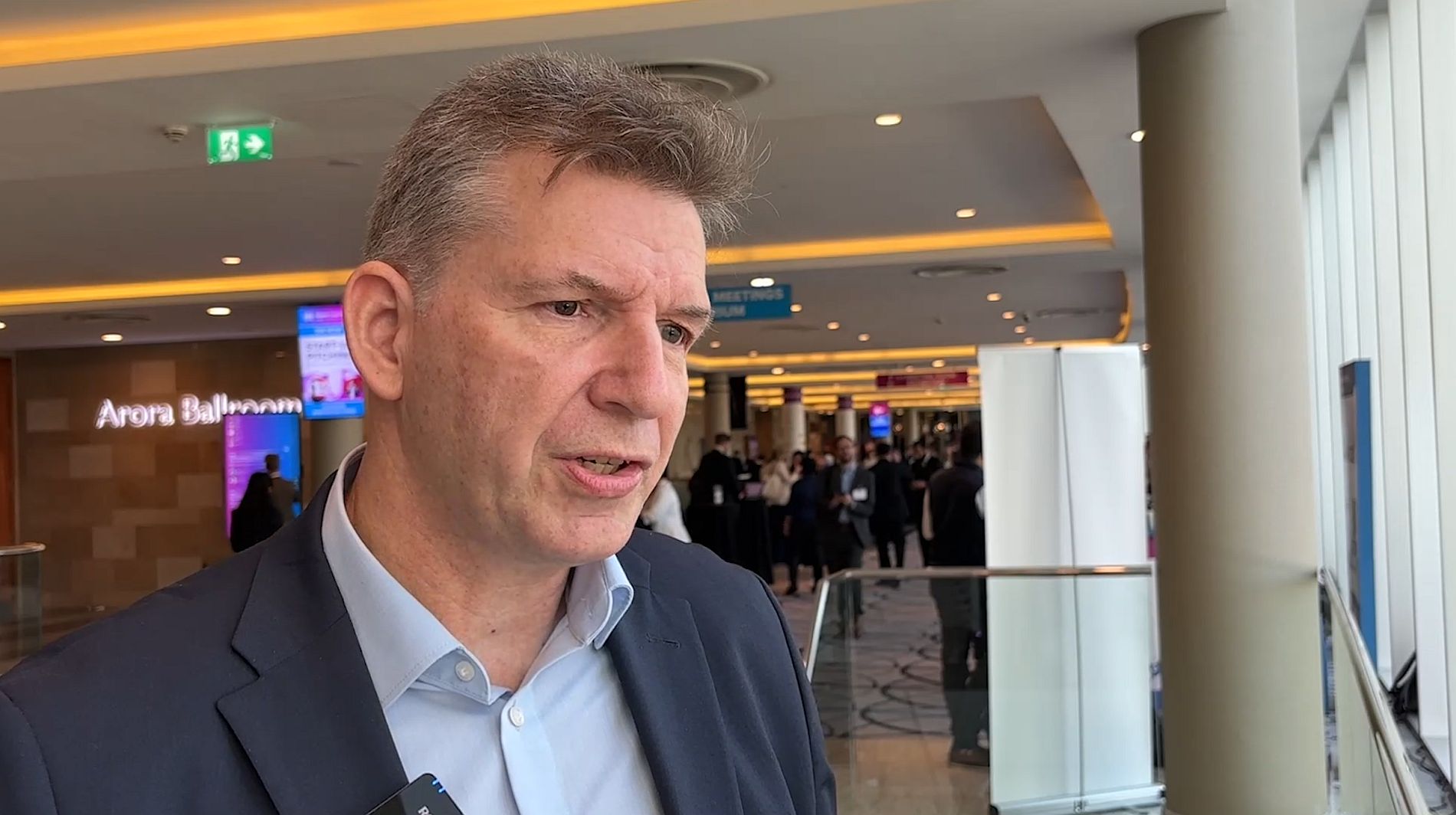
Solar Foods has secured novel foods approval for its core ingredient (Solein) in Singapore and self-GRAS status in the US and is awaiting a decision from EFSA on a novel foods submission in the EU, CEO Rami Jokela (RJ) tells AgFunderNews (AFN).
AFN: What is the Business Finland funding contingent upon?
RJ: The funding is conditional upon the final investment decision for the Factory 02 production facility and securing the total financing. It is not conditional upon regulatory approvals.
Taking into account the funding decisions granted to Solar Foods by Business Finland so far, the remaining funds under the IPCEI notification (the EC’s Important Projects of Common European Interest initiative, which backs projects that promote the development of lower-carbon technologies) amount to approximately EUR 21 million.
AFN: What do you need to nail down before you can start building this factory?
RJ: Solar Foods aims to make the final investment decision for Factory 02 during 2026. The company continues to prepare the investment decision, with the work focusing, among other things, on securing sufficient binding customer agreements (turning the MOUs and LOIs into binding offtake commitments), building the company’s partner network, advancing the design of the production facility and implementing the financing plan.
AFN: Is the design of the factory still a work in progress?
RJ: Yes, the engineering phase is ongoing together with our strategic partners, among others GEA and Fortum.
AFN: Will the hydrogen be supplied from an adjacent electrolysis facility or is that still to be determined? What other sources of hydrogen are you exploring?
RJ: We have entered into a development agreement with leading Nordic energy company Fortum on the energy services of Factory 02. According to this agreement, Fortum has taken responsibility for the design and pre-engineering work related also to hydrogen production. The initial plan is to produce hydrogen on-site.
AFN: What kind of customer interest are you seeing in your ingredients?
RJ: We are working with numerous customers, and we are focusing both on agile health and performance nutrition companies with the ability to bring product innovations to consumers exceptionally quickly, as well as major international CPG companies.
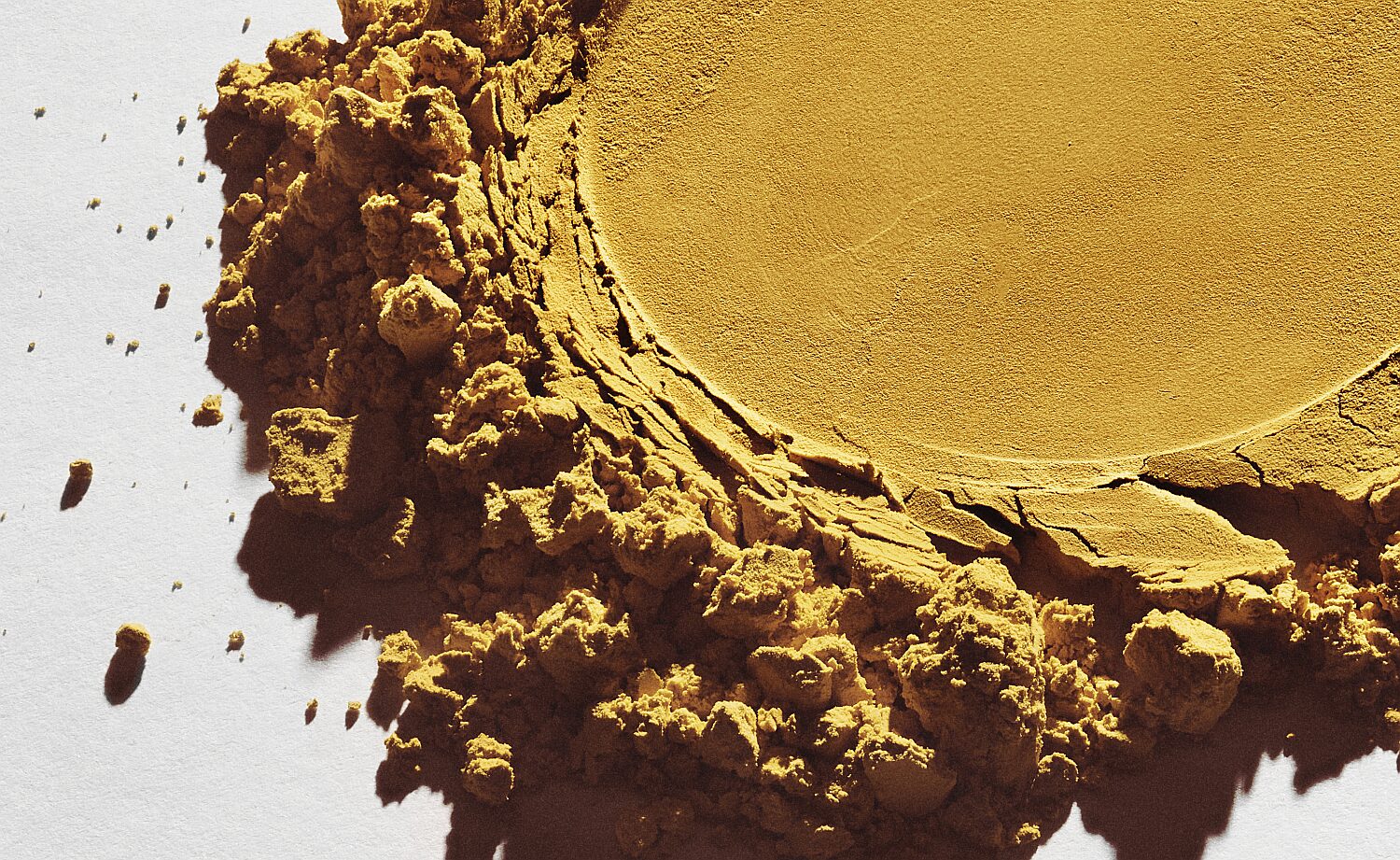
The first consumer product—a ready-to-mix protein powder made with Solein [Solar Foods’ branded ingredient]—was recently launched in the US by [sports nutrition and health supplement company] Ambrosia Collective under its brand Planta on Ambrosia’s website and on Amazon. Consumer products are also available in Singapore.
Solar Foods has also received an order for Solein from an innovative lifestyle company in the US.
AFN: Does the fact that whey protein prices have gone up so much lately make your business case more compelling now than it was a year or two ago?
RJ: Solein is capable of addressing the global supply restraints of whey. It offers the food industry a versatile protein ingredient with stable quality and supply and with no price volatility, with cost-competitive pricing.
Further reading:
Biosphere lands Pentagon funding to build portable “protein from air” bioreactors

Sign up for our weekly newsletter.