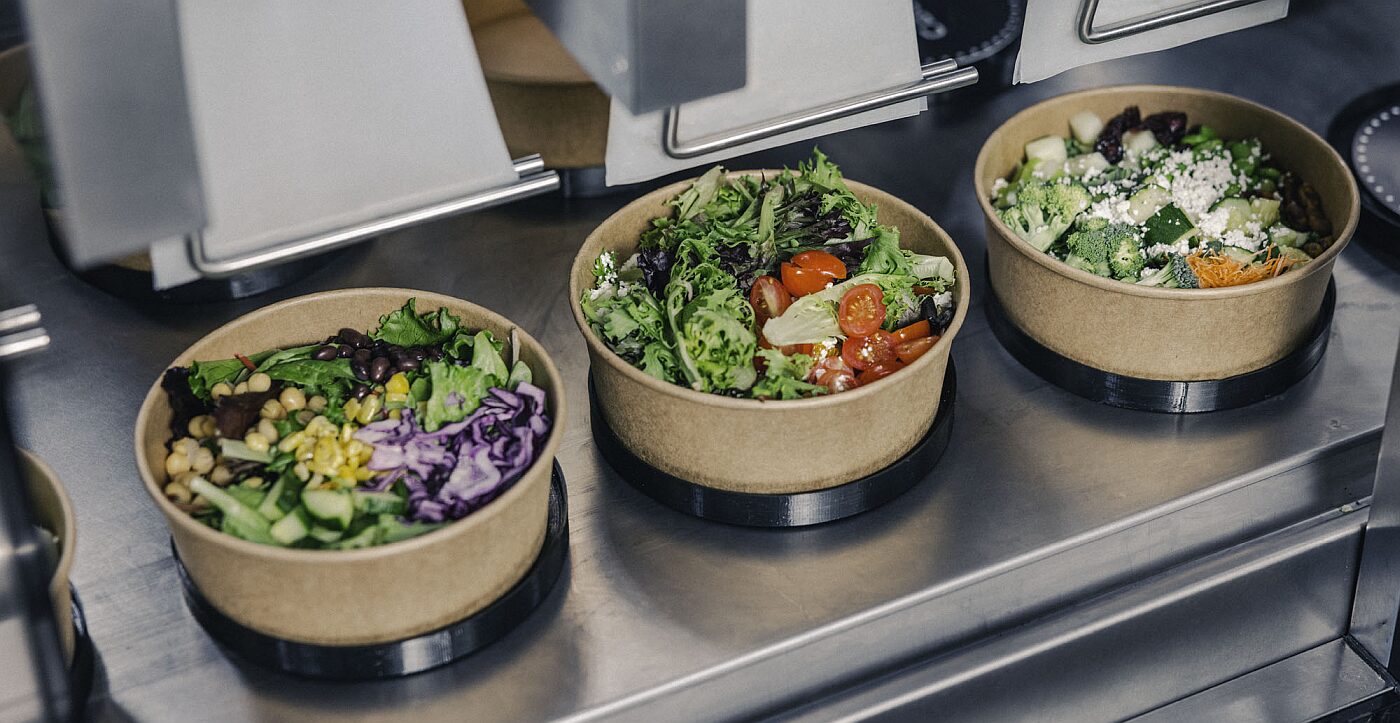
Appetronix, a Toronto-based startup developing fully automated robot kitchens in high-traffic locations from airports to universities, has acquired fellow Canadian robotics startup Cibotica, which specializes in automated ingredient dispensing and portioning tech for salad bowls.
Terms of the transaction were not disclosed.
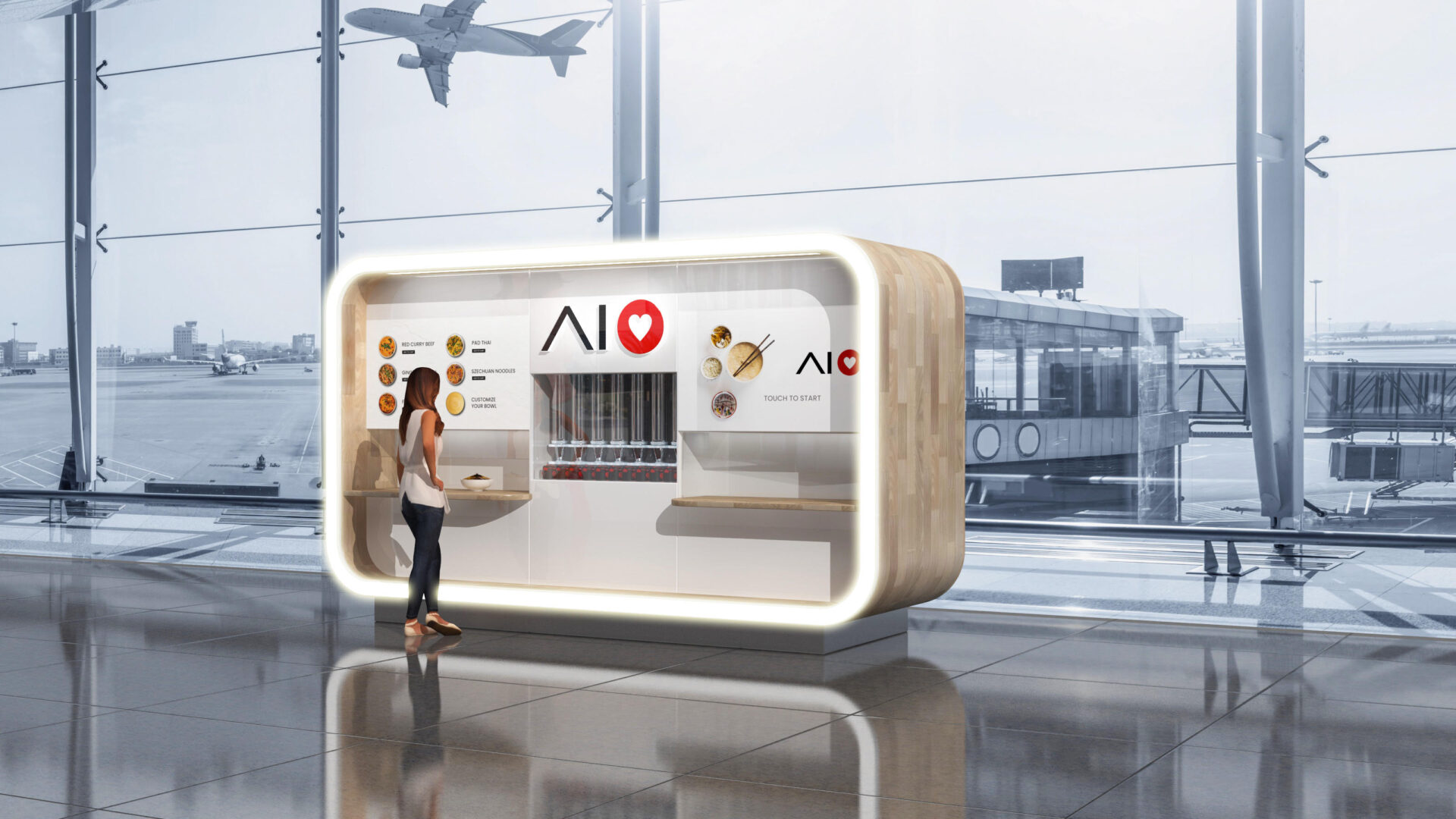
The deal will help Appetronix rapidly scale its concepts beyond pizza into Asian noodles, Mexican burrito bowls, and coffee, with the first robo-kitchen to incorporate tech from both companies due to launch later this year.
“We’ve worked closely with the Cibotica team for years, watching them build breakthrough technology that solves real operational challenges, and bring it to market through their partnership with [the salad counter at] MOTO Pizza in Seattle,” said Appetronix CEO Nipun Sharma.
“Bringing them into the Appetronix family allows us to scale new cuisine formats faster while demonstrating that the food robotics space can create meaningful exits for innovative founders.”
Increasing throughput from the same footprint
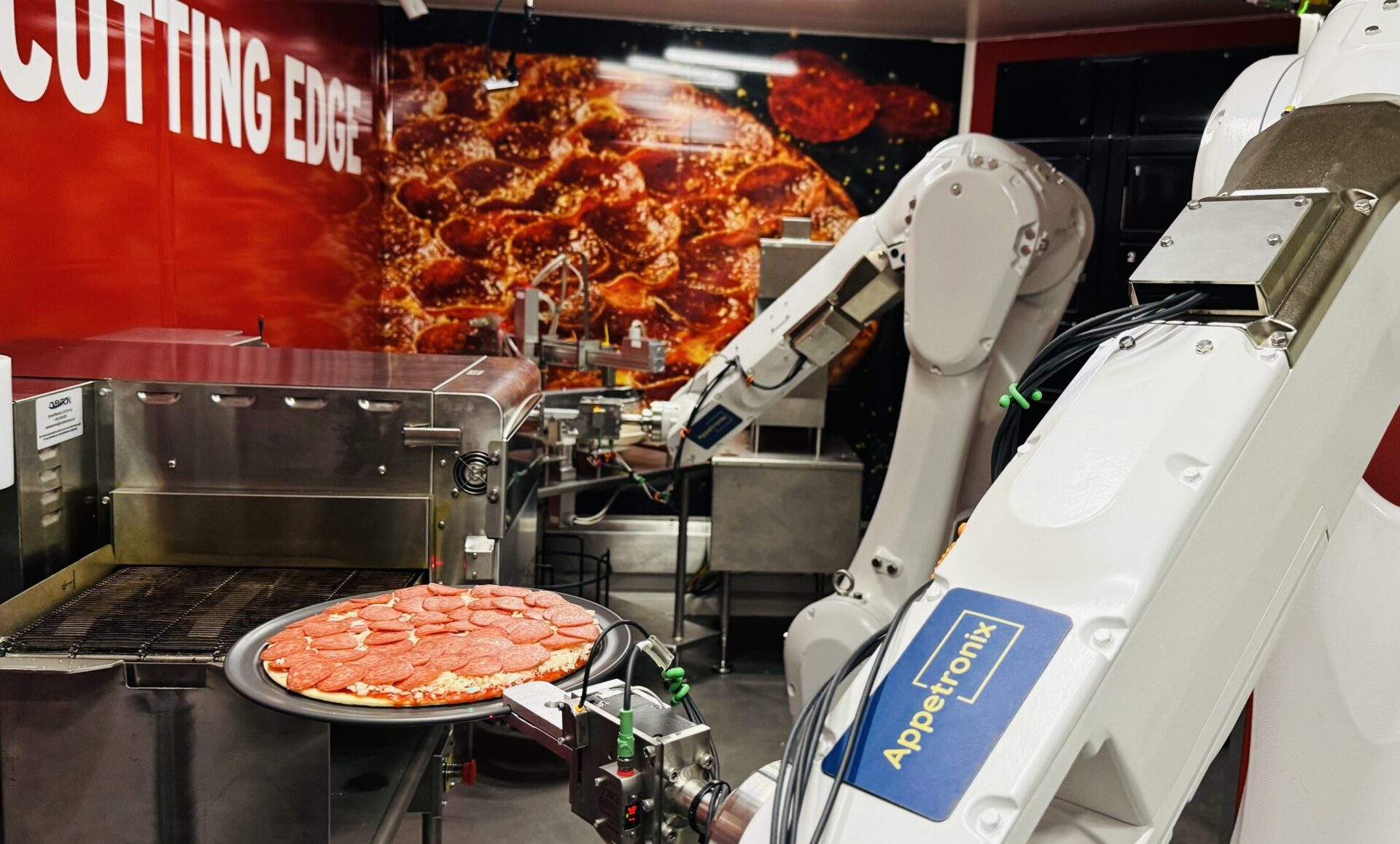
Founded in 2020, Appetronix launched its first robotic pizza kitchen with leading pizza brand Donatos at Columbus International airport in Ohio, with 3-4 locations expected to be running by the end of the year along with the new machines dispensing Asian noodles, burrito bowls, and coffee.
In this case, Donatos is the franchisor; airport concession manager HMSHost is the franchisee and takes responsibility for re-filling the machines and routine maintenance. Appetronix is the tech platform providing hardware and software as a service. Each takes a cut of the revenue.
Founded in 2021, Cibotica has developed an ingredient-agnostic dispensing platform that automates the assembly of salad bowls for existing kitchens with makelines and integrates with ordering, POS, and back-of-house systems.
The platform—which can work under the main counter and fulfill online orders while staff manually prep in-person orders—can assemble up to 300 bowls per hour. This can potentially slash labor costs, reduce food waste through more precise portioning, and enable firms to increase throughput from the same footprint at peak times, Sharma told AgFunderNews.
“Throughput is the number one thing as QSRs try to service multiple channels. You have people ordering ahead. You have people in the store. You have Uber [Eats] drivers coming in. How do you address all these different moving parts?”
The smart money in food robotics
That said, he still believes that the smart money in QSR robotics will go to firms that build automated systems from scratch that operate more like factories, rather than trying to retrofit kitchens.
“Through this acquisition we can now offer this other [robo-makeline] service to our existing clients as an ancillary service. But the principal reason we got into this arrangement was that we figured we could do things exponentially better and faster if we combined resources.”
Notably, elements of Cibotica’s dispensing tech can now be utilized in Appetronix’s standalone robot kitchens, said Sharma.
“Our next new concept is Mexican burrito bowls, which have some unique dispensing requirements. Cibotica had already developed the mechanism for this and it will really expedite our development, so we hope to launch in September.”
Continuous improvement
Appetronix has two more robotic pizza kitchens ready to go for hospitals in Columbus, said Sharma. “We’re going to keep the first few machines in that region so we can optimize our labor force. Each machine we launch is also an incremental improvement of the previous one.
“The first one had a capacity of 50 [pizzas before it needs restocking]. The next one’s going to have a capacity of 80, and the third has a capacity of 150, and new cooking technology.”
He added: “The question is how do we keep improving capacity while reducing the footprint and speeding up the process? We’ve also hired the best industrial designers, and the next generation machines will look very different. We know the food is great and the convenience is great because we are operating 24:7. The question now is can we make the experience great?”
Capital efficiency
Appetronix has been “very frugal” with the modest amounts of capital it has raised, said Sharma, who said Cibotica had been acquired with a combination of cash and equity.
“We also have very strong partnerships with manufacturing companies and suppliers, who are also investors in our company, so we’re getting some things for free or practically nothing.
“In terms of capital, we’re good for 18 months, and we are aiming for a bigger round by the end of the year.”
He added: “There are a lot of companies in the hardware space that have burned through a lot of capital but not really generated something of value yet. Cibotica has really stretched its dollars, and without a whole lot of funds, what it accomplished was fascinating.”
Further reading:
Breaking: Chef Robotics raises $43m Series A to scale AI-enabled robotics in meal assembly