

Food grown to Regenerative Organic Certified (ROC) standards can be measurably more nutritious than its conventional counterparts, according to a new report from the Regenerative Organic Alliance (ROA) and food-testing company Edacious.
Lab analysis of dozens of ROC products found more omega-3s in ground beef, more phosphorus in legumes, and a far lower omega-6 to omega-3 ratio in meat than USDA reference values, giving brands hard data to back up the long-held claim that healthier soil makes healthier food.
The new report gathers findings from year one of a four-year partnerships between ROA and Edacious, which officially launched in September 2025 and in essence is testing the nutritional value of regenerative agriculture.
Niman Ranch, Patagonia Provisions, Lundberg, and Charcutnuvo are among the brands listed in this first report. These companies and others are already pursuing ROC status and are therefore testing things beyond what ends up on a nutrition panel on food packaging.
Edacious adds “a second, independently verified layer: real measurement of nutrient density (the levels of fats, protein, carbohydrates, vitamins, minerals, and other beneficial compounds delivered) and product safety (contaminant levels, including heavy metals and glyphosate), based on primary data.”
Edacious defines nutrient density as “the relative concentration of health-promoting compounds to non beneficial compounds, per unit of measurement.”
It tests individual nutrients benchmarked against USDA reference points, presented per serving, which the report says is consistent with how FDA labeling conventions communicate nutrition to customers today.
Measurable differences
“The data that’s come out of this is has been even better than we’d imagined,” says Darcey Howard, head of marketing & engagement at ROA. “We knew that healthy soil would create healthy food, but I think that what we were so surprised to to see was just how much healthier.”
“The biggest takeaway for me is how much more nutritious our food can be,” adds Eric J. Smith, CEO of Edacious. “Year one showed real differences in protein and fiber, which are exactly the things consumers are focused on right now. Nutrition is not fixed by the ingredient list. How food is grown and raised changes what ends up on the plate, and we can now measure it.”
Year one findings include 17 brands testing at least one ROC product with Edacious. Of those brands, 13 agreed to publicly publish their findings in the report, representing 46 products across grains and legumes, oils, meat and protein, produce, snacks, and eggs.
According to Howard, one of the biggest takeaways for different products tested was the consistently lower omega-6 to omega-3 ratio in meat products.
While how one gets to that ratio is debated (cutting back omega-6 fats versus adding more omega-3s), it is generally accepted that a lower 6:3 ratio is favorable. In conventional meat products, the ratio can go as high as 15:1.
“Nearly every” ROC product tested for the research landed between roughly 1-to-1 and 2.3-to-1, says Howard.
“The difference traces back to diet: an animal’s fat profile follows what it eats, and the pasture- and forage-based feeding standards at the center of ROC™ certification are a large part of why grass-fed, pasture-raised meat tends to skew toward a more favorable ratio than grain-fed alternatives.”
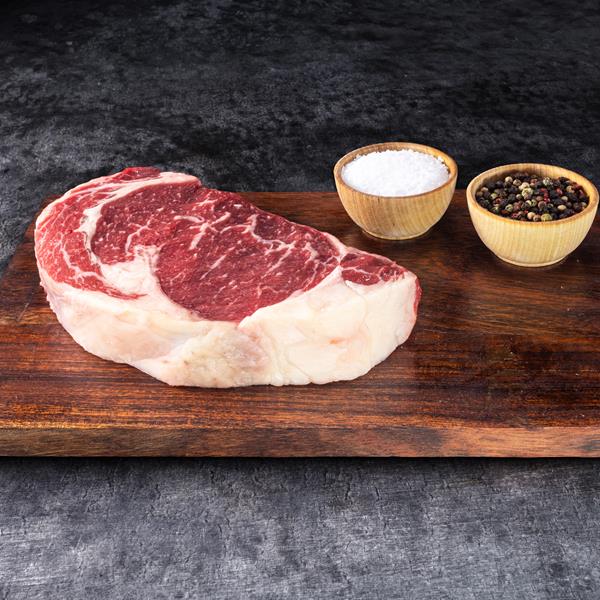
ROC ground beef in general showed higher-levels of omega-3’s, ranching from 124% to 388% higher than the USDA reference, according to the report. “While this isn’t fish-level omega-3, it is more than typical ground beef delivers.”
Elsewhere, all 10 legumes tested showed higher phosphorus content than their USDA counterparts (16% to 584% more), and some qualified as “a rich source of selenium.”

A tool for food companies
Howard says the research can function as a tool for food companies, which have to factor in the consumer purchasing journey in their products.
Right now, she says, the number of certifications on food packaging can be overwhelming to the average shopper.
“People aren’t lying awake at night worrying about soil health,” she says. “Maybe someday they will, but what is going to resonate with most people is more nutritional density, more fiber, more protein.”
The increase in GLP-1 medications, as well as a renewed focus on protein, is also leading consumers to question what’s actually in their food.
“I would love ultimately to see us finally get the nutrition panel to speak more about what’s actually in the food than how it plays to what the standard for nutrition panels is,” notes Howard. Speaking of the research, she adds, “Will it solve everyone’s problems? No. Will it actually move the needle forward for people’s purchase decisions. I think it will.”
“We want this work to push the industry to understand food quality at a deeper level,” adds Smith. “Not just what is on the label, but what is actually in the food. And we want to put more attention on the real heroes, which are whole and minimally processed foods. When people can see the difference in the data, those foods get the credit they deserve, from shoppers and from the companies that make them.”
Heading into year two of the partnership, ROC and Edacious will be bringing more ROC brands into testing and building towards the partnership’s goal of having over 200 products tested.
The companies say they will also be expanding producers in under-represented food categories “to ensure breadth and depth across food types.”

Sign up for our weekly newsletter.