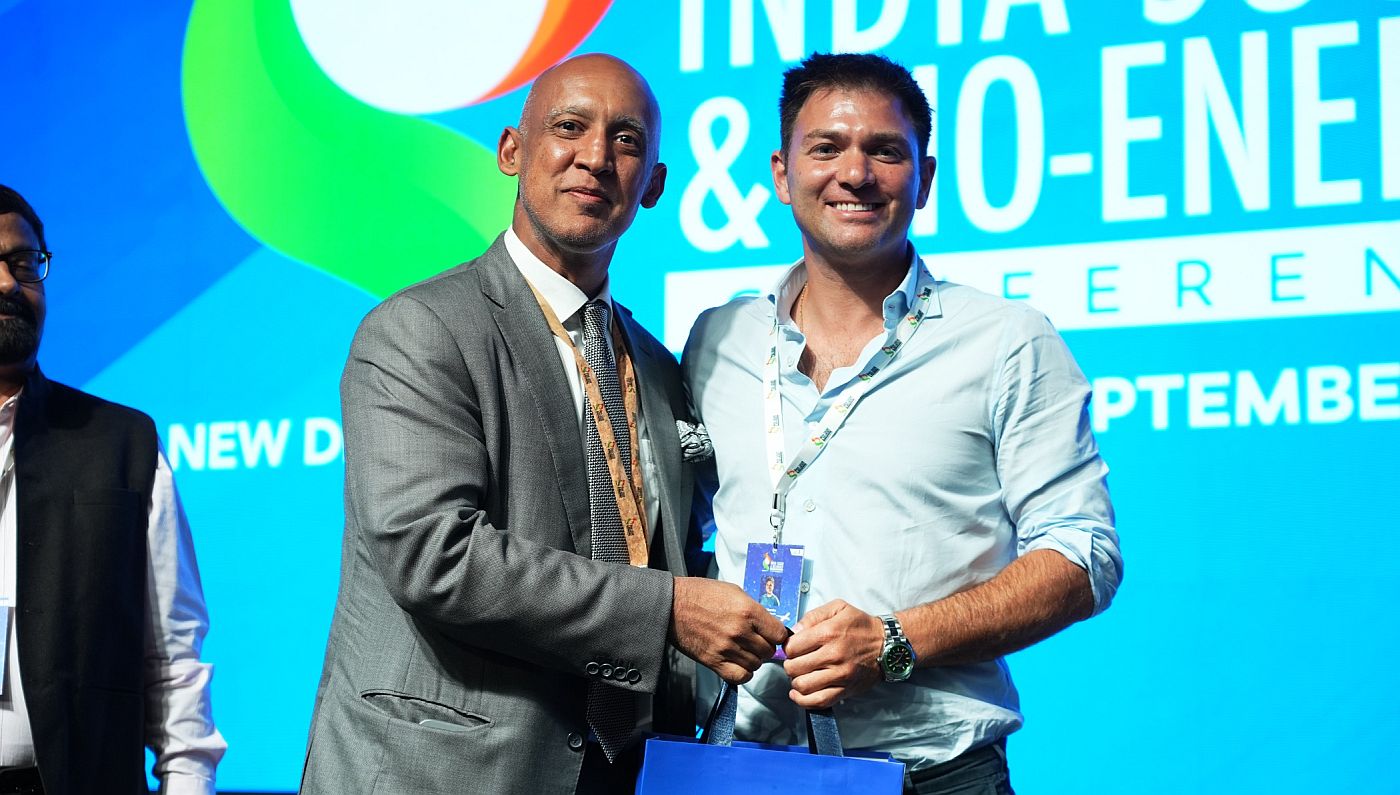
Swiss fermentation company Planetary is exploring a collaboration with leading sugar producer Dhampur Bio Organics (DBO) to make mycoprotein in India at industrial scale at below $1/kilo.
“Subject to final agreements and regulatory approvals, we expect this partnership to enable DBO to both export raw mycoprotein and introduce India-market applications such as mycoprotein-based protein fortification solutions and myco-tikka masala,” said DBO managing director Gautam Goel.
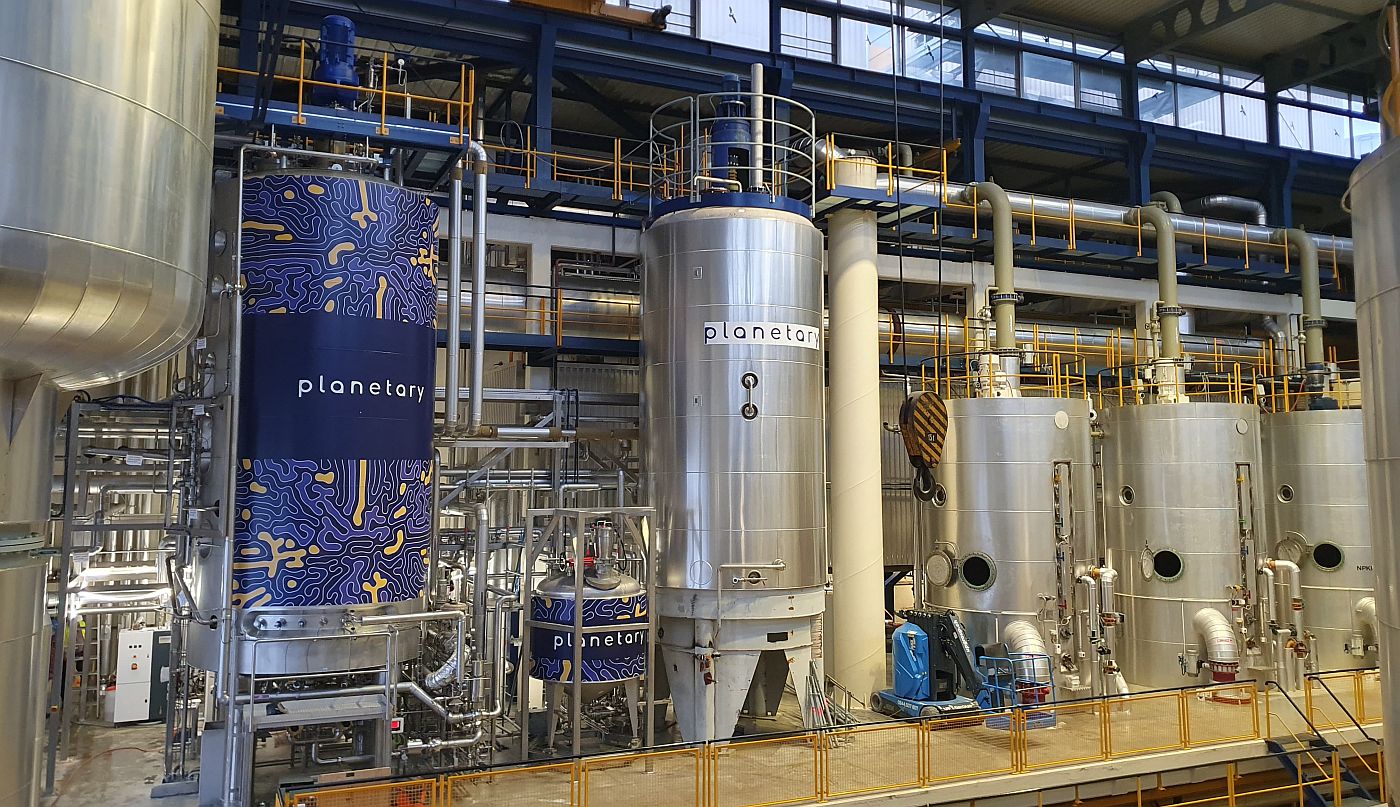
“Sugar side streams are abundant, labor costs remain low, and energy can be integrated with sugar mills,” added Planetary, which operates a mycoprotein facility in Switzerland co-located with a Schweizer Zucker sugar mill, but is seeking to build a global footprint.
‘Almost immediate gross-margin positive operations’
Under the proposed deal, Planetary would license its BioBlocks fermentation platform to DBO to produce mycoprotein next to its sugarcane processing site, Planetary cofounder David Brandes told AgFunderNews.
“The end products we aim to produce will be both wet (frozen) and ambient/shelf-stable. We cannot comment on the timeline or distribution details… however we see Planetary’s mycoprotein as serving both the meat alternative, hybrid meat, as well as dairy alternatives and supplements markets at the lowest possible price points.”
As a reference, he added, “Our facility at Aarberg became operational nine months after the first equipment delivery.”
Along with Quorn and ENOUGH Food, Planetary is currently using Fusarium venenatum, “the only fungi strain that has almost global regulatory approval,” although additional strains are under development, said Brandes.
“Planetary’s production set-up is designed to deliver almost immediate gross-margin positive operations.”
The business model
Planetary’s business model is two-pronged, he said: “Sales of mycoprotein as a b2b ingredient, and technology licensing of our proprietary BioBlocks fermentation platform to agricultural players around the world in strategic co-location.
“We are currently mostly focusing on optimizing and increasing our internal production systems. That said, we are actively observing both the precision fermentation as well as the materials space for compatible opportunities, since Planetary’s fermentation platform is very adaptable and can handle a wide range of strains and end applications, from filamentous fungi to yeast and bacteria used for food and materials production.”
Hybrid meat
With industry pioneer Quorn reporting fairly lackluster sales albeit with improving margins, some commentators might question whether the market can sustain new capacity.
“But sales of meat alternatives vary based on region,” noted Brandes, citing growth in Germany, France and Italy. “We are witnessing an already large and growing market for mycoprotein as a versatile b2b ingredient enabling private labels and brands alike to diversify their end product offerings across meat and dairy alternatives as well as hybrid applications.
“Compared to other plant-based meat and dairy alternatives, mycoprotein stands out not only for its taste and texture, but for its superior nutritional profile and lower environmental impact. Moreover, mycoprotein naturally possesses a great texture without the need for extrusion and extra processing and can be produced locally almost anywhere.”
Mycoprotein can also unlock the potential of a much bigger market, hybrid meat, he claimed. “Mycoprotein is the key ingredient to creating hybrid chicken and beef that rivals conventional meat on price, taste, health, and sustainability.”
He added: “Today, over 30% of all meat mince sold at LIDL Belgium is hybrid in a push to offer cost savings to consumers and to deliver on Scope 3 emission targets. Blended meat with mycoprotein has less fat and sodium, a higher Nutriscore and a drastically lower CO2 footprint than conventional meat. When paired with low-cost produced mycoprotein, a chicken product can be offered at over 20% discount without having to make concessions on taste.”
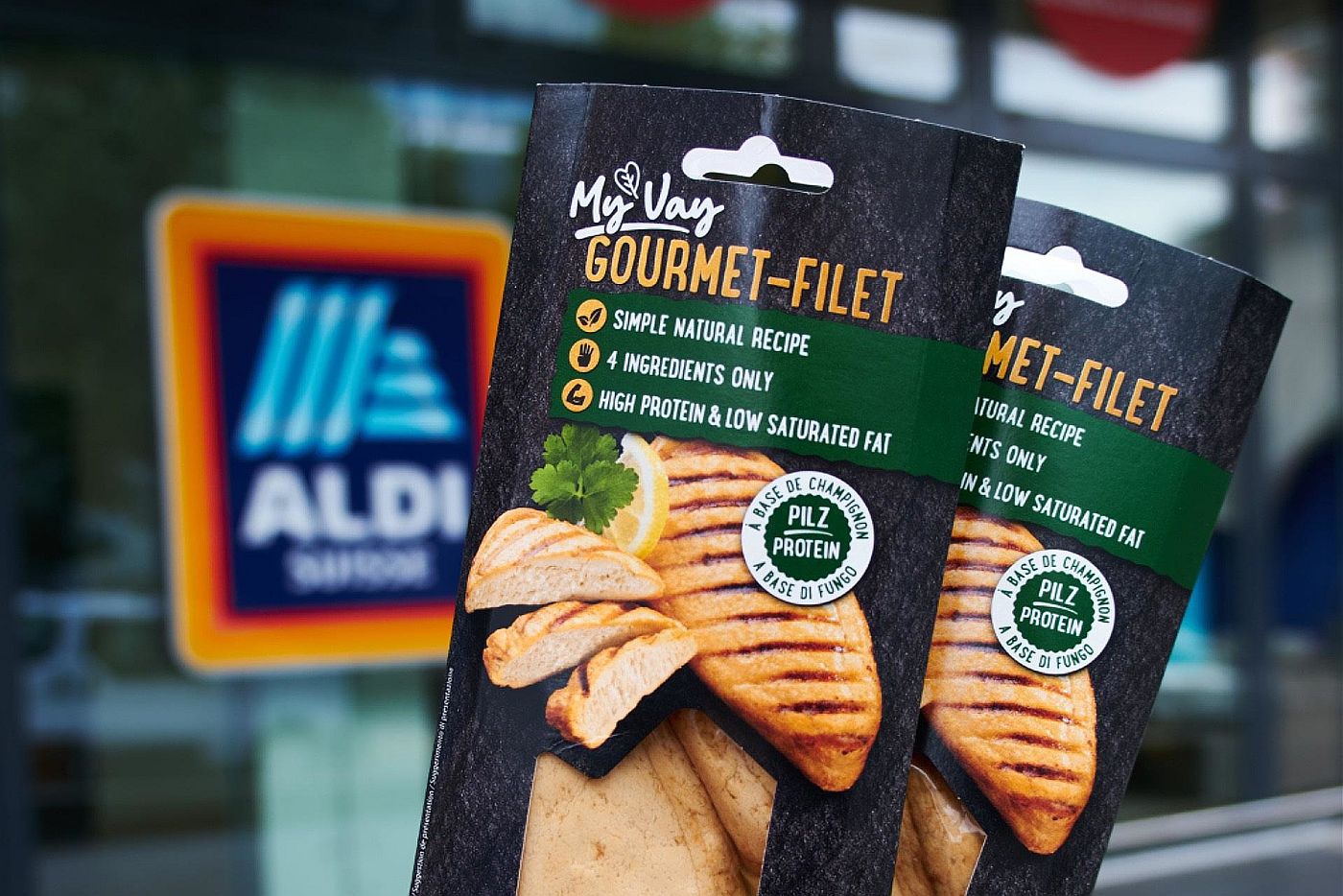
ALDI Suisse nationwide rollout at price parity with chicken
Since commissioning its facility in Aarberg, Planetary has supplied ALDI Suisse with mycoprotein for a nationwide retail rollout at “price parity with chicken,” he said. “Planetary’s 2026 product roll-outs will span private-label meat and dairy alternatives as well as hybrid meat applications blending beef or chicken meat with mycoprotein.
“Despite recent industry setbacks, the alternative market is poised for growth. This is further fueled by leading retailers such as ALDI, LIDL, Albert Heijn, Carrefour and REWE taking ambitious commitments to increase plant-based product sales.”
Asked about funding, he said: “In addition to undisclosed funding, public records include a CHF 7.5 million ($9.8 million) seed round, a CHF 3 million ($3.9 million) strategic investment from Cosun, and a CHF 1.8 million ($2.3 million) grant from Innosuisse.
“Importantly, Planetary financed the entirety of its current industrial production installations accessing non-dilutive debt instruments.”
Further reading:
Enifer partners with ethanol giant FS for mycoprotein production in Brazil