Athian has sold the first inset credits generated by a Brazilian beef project following a pilot with Australia-based methane-reduction specialist Rumin8 and Minerva Foods, the leading exporter of beef in South America.
Rather than buying carbon offsets from projects outside their value chains, Minerva and other food companies are increasingly looking to purchase insets: credits generated by emissions reductions within their own supply chains.
Typically, says Indiana-based Athian, “A large food company provides financial incentives for farmers to make a practice change, and we facilitate that process.”
The firm, which is best-known for its work in US dairy cattle but is also working with partners in Australia and other markets, used its insetting framework and platform to facilitate data verification, register the resulting credits and sell them to Minerva Foods.
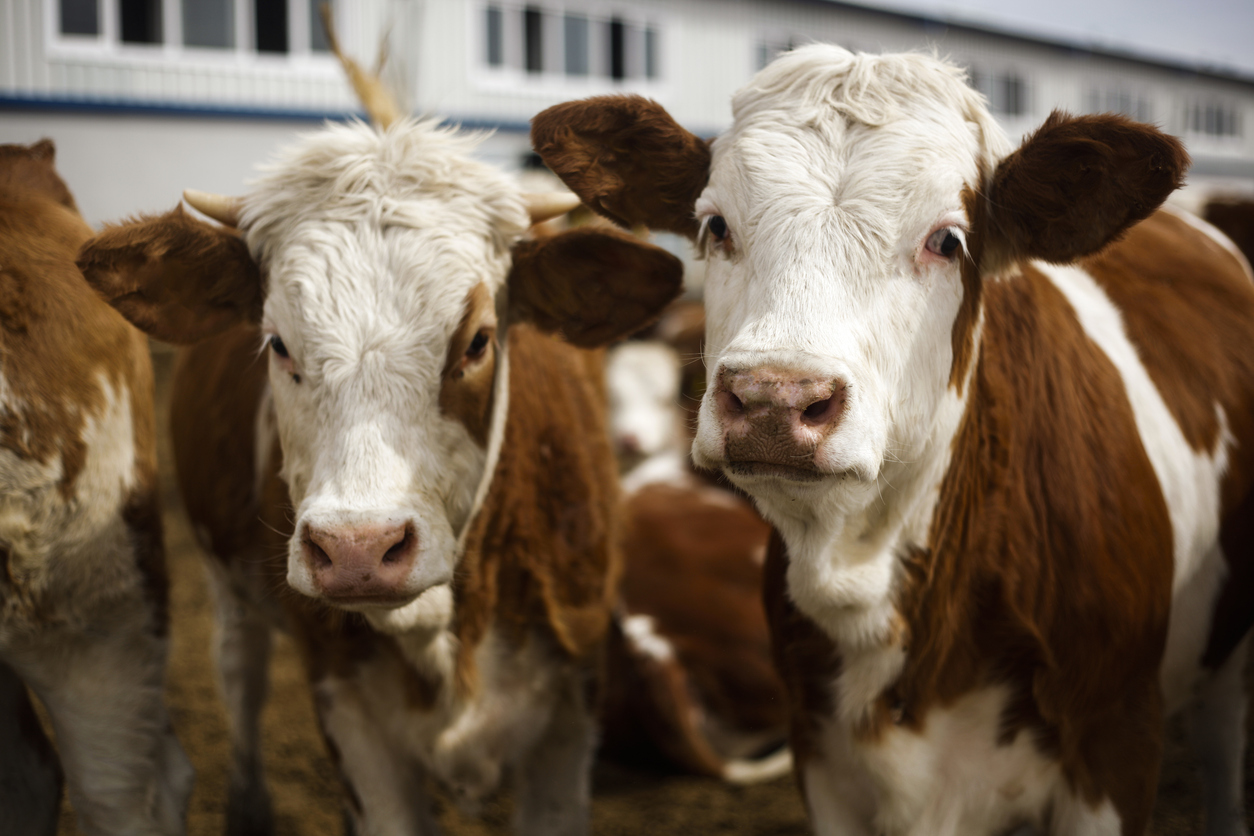
The 120-day pilot assessed both Rumin8’s performance and its potential to form the basis of a future protocol on Athian’s platform. According to Rumin8, cattle receiving the additive in a total mixed ration produced 50.4% less methane and achieved a 5% improvement in feed conversion efficiency compared with cattle fed the same diet without it.
“We not only proved the insetting process, from the generation and verification of reductions to their sale as Scope 3 assets, for the first time in Brazilian beef,” said Athian cofounder Kendra Tolley. “We also demonstrated how Athian’s approach applies internationally and across livestock systems.”
Founded in 2022, Athian works with livestock producers on GHG emission reduction strategies from feed ingredients to manure management; facilitates secure data collection via its software platform for third-party review and verification; and registers and sells outcomes as inset credits to food companies looking to cut Scope 3 emissions to meet ESG goals.
“We believe environmental progress in beef has to be measurable and verifiable,” said Minerva global sustainability director Marta Giannichi. “This pilot demonstrates that it’s possible to quantify methane reductions at the farm level and integrate them into a credible supply chain framework.”
Insetting vs offsetting
While there has been some recent backsliding on ESG goals from large food companies, most global food companies remain committed to reducing Scope 3 emissions and are increasingly looking to projects in their own supply chains rather than offsets, claimed Tolley.
This is in part because they can also deliver broader benefits beyond emissions reductions from more resilient supply chains, improved water quality or improved operational efficiency on the farm, to increased productivity (feed conversion rates) in the case of the project with Rumin8, she said.
“Companies are just being more strategic about what projects to invest in.”
That said, it’s still relatively early days for some of the technologies in question when it comes to livestock methane reduction, she acknowledged, with new technologies and approaches still going through regulatory processes that can differ widely from country to country.
In the US, for example, Athian has been working closely with farmers that use methane-busting feed additive Bovaer from dsm Firmenich via Elanco, the approval process for which took several years, said Tolley.
“We have about eight protocols on our platform that we support through US dairy, and we have engaged in activities covering about 10% of the dairy cows in the US. We have multiple contractual agreements with large food companies that are relying on us to provide their scope three reduction goals.”
The key is making the process credible and defensible for food companies but easy for farmers to participate and upload data, she added. “One of the problems we’re really trying to solve is that many food companies have been doing this as bespoke projects they were managing internally.”
Athian’s board features experts in enteric and manure methane that review all of the methodologies it brings onto the platform to ensure the science is credible, claimed Tolley. “We then have that protocol or methodology reviewed by a third party to ensure we are complying with our own governance structure as well as external standards, ISO standards, and Greenhouse Gas Protocol standards.”
Rumin8: a portfolio of offerings
Rumin8 is developing a variety of feed supplements that reduce enteric methane production from cow burps, a leading source of GHG emissions.
Its flagship product—which cofounder David Messina says he hopes will secure regulatory approval in Brazil next year followed by other markets including New Zealand, Australia, the US, and Europe—is a granule containing a stabilized form of bromoform that can be added to whole mix rations and supplement mixes for cattle.
“We can now do 3.5 million doses a day with a single manufacturing train in a GMP environment and that can scale to 8-9 million quite quickly.” said Messina.
Other products under development include a slow-release bolus that could deliver active ingredients to the cattle rumen over time, a compound that converts to bromoform in the cattle rumen post ingestion, and a fungi-based platform that produces bromoform, said Messina.
“This looks like it could be a much cheaper way to produce pure bromoform than our GMP solution [which relies on synthetic chemistry].”
Co-claiming models for Scope 3 emission reductions
Ultimately, tech relying solely on carbon insetting or offsetting to deliver a return is risky, acknowledged Messina, who said the fact that Rumin8 products can also deliver a productivity benefit to the farmer has been key to its appeal.
However, new initiatives such as “co-claiming” models that allow multiple parties such as retailers, CPG companies and milk processors to spread the costs and rewards of insetting projects are helping reduce the burden on individual companies that have historically funded projects alone, said Messina.
“It means the whole financial burden doesn’t just sit with one participant in the supply chain.”
Further reading:
Rize lands $31m to help rice farmers cut methane emissions, water usage
Sixteen44 prepares farm demo for plasma-based methane abatement tech
Exclusive: Waste methane to fertilizer startup Windfall Bio auctions off assets

Sign up for our weekly newsletter.