
[Disclosure: AgFunderNews’ parent company AgFunder is an investor in Plantik.]
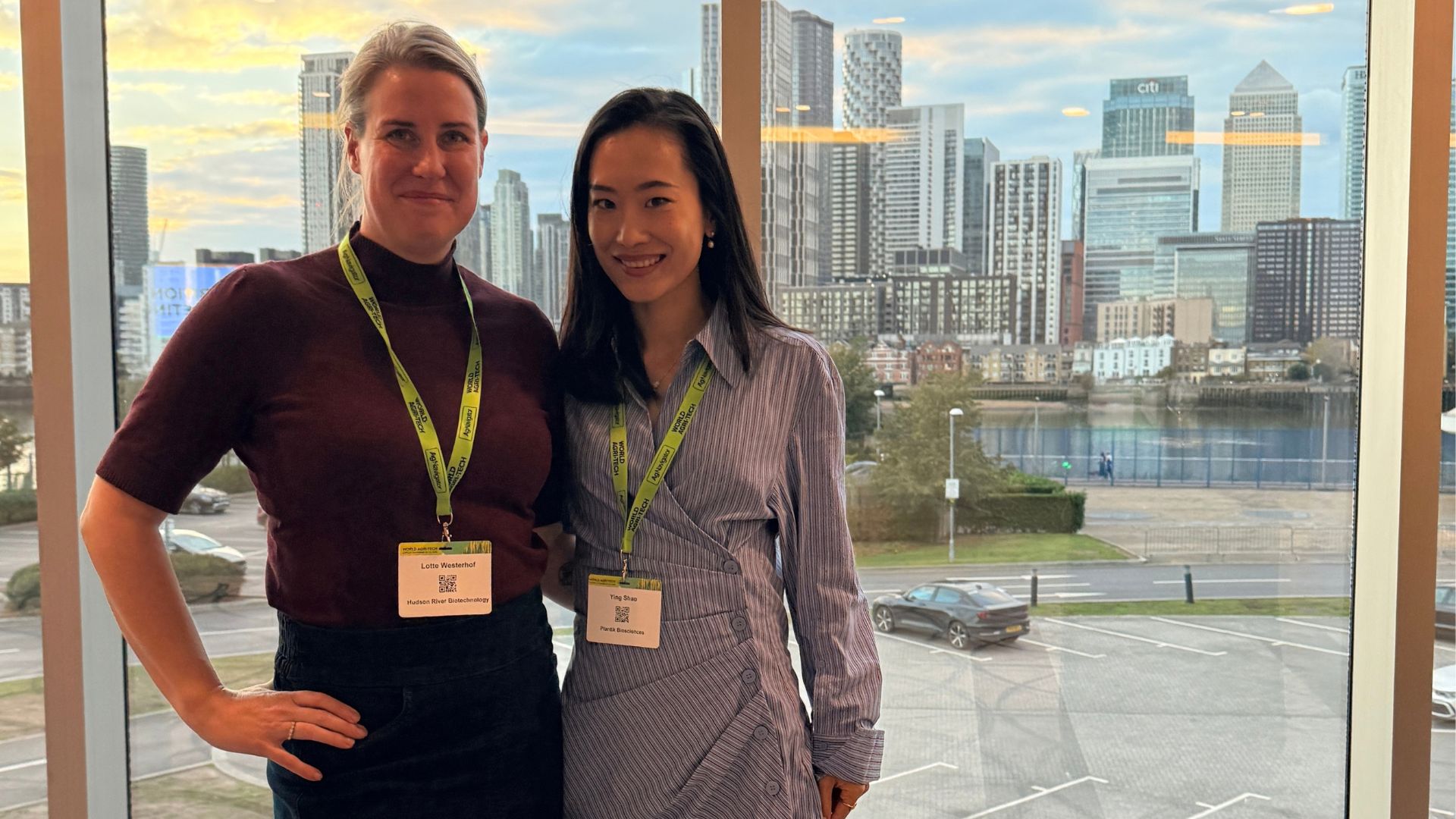
Plantik Biosciences and Hudson River Biotechnology are partnering to develop heat tolerance in crops, with the goal of producing a validated heat-tolerance trait any strawberry breeder can license.
By combining heat-tolerant targets identified and validated by Plantik in tomatoes with “transgene-free” strawberry genome editing methods developed by Hudson River, the companies hope to turn trait discoveries into “improved strawberry varieties.” Validation trials are already underway.
According to Plantik cofounder and CEO Ying Shao, heat tolerance is “a must-have trait for many crops across the globe” thanks to the rise in extreme heat events worldwide in recent years. Strawberries are among the most exposed crops, as these high temperatures disrupt flowering and fruit set, and damage overall fruit quality.
Performance under high heat
France-based Plantik employs its ATLANTIS machine learning platform to search “the dark genome,” the regulatory stretches of DNA in plants that switch genes on and off. It then edits those regions without inserting any foreign DNA, allowing plant breeders to fast-track development of crops.
Plantik’s first product is a heat-tolerant tomato, which the company claims it developed in about 12 months instead of the five to eight years required by traditional breeding.
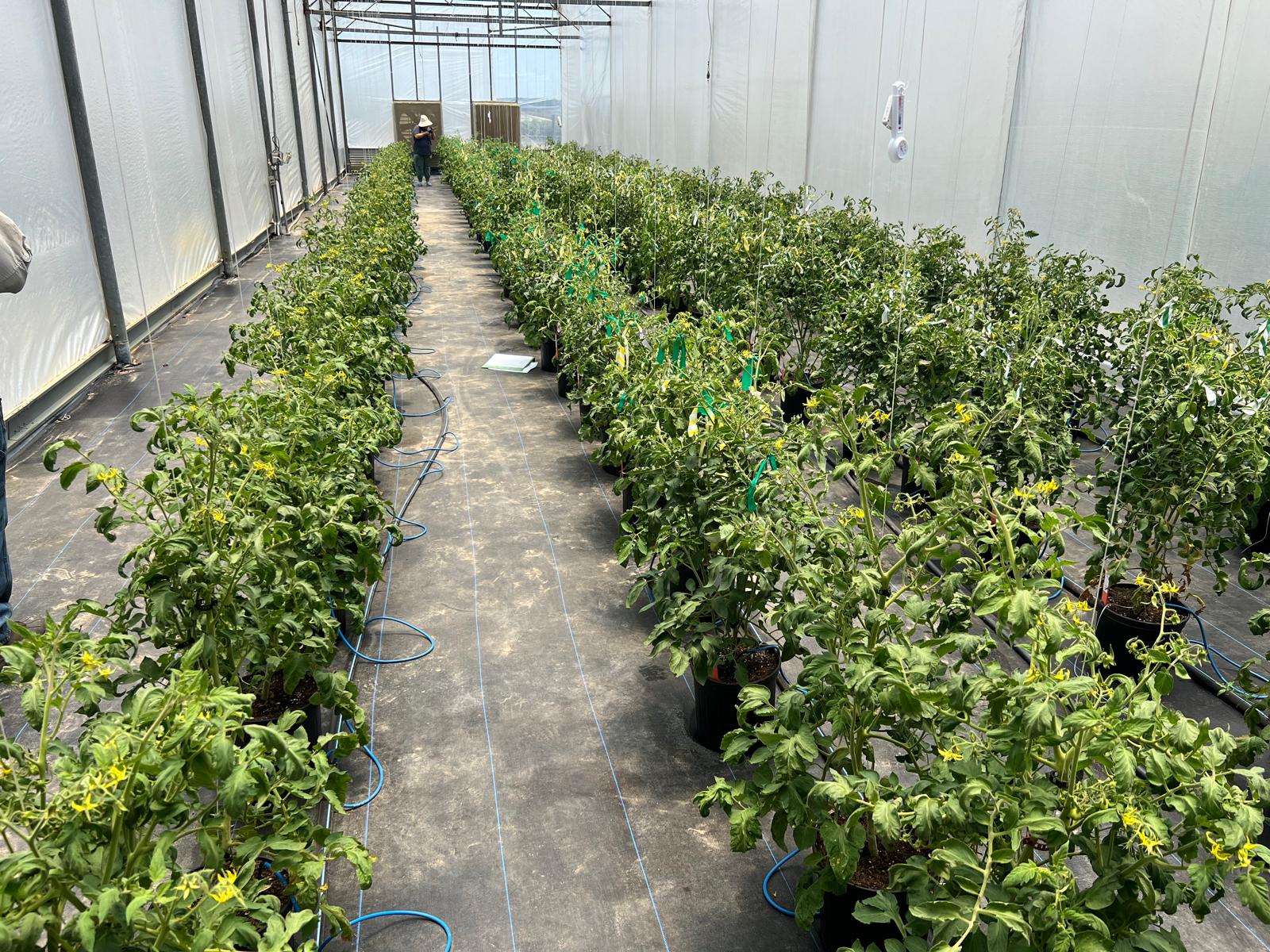
The company is currently running demonstrations across greenhouses and fields in the US and Belgium.
“We have now worked on this trait in multiple tomato crops, from lab tomatoes to now commercial hybrids,” says Shao. “Overall, we see that in the real conditions, the material also performs much better in terms of yield preservation under high heat.”
Editing at speed
Hudson River says its BioMaas platform gives breeders access to genome editing without the time and expense of building the R&D in-house. Thus far the company has focused on tomatoes and strawberries.
“We have now developed technical capabilities that allow us to very rapidly deploy new traits in those crops, like the heat-tolerant trait,” says Hudson River CEO Fernando Los. He adds that the company can now make complex edits in these crops “in a matter of months.” Changes to EU rules, which simplify CRISPR regulations, have also caused “a surge of interest” in the business.
Los says the open nature of the Hudson River platform is the company’s biggest differentiator. Breeders get the technology plus a range of traits, including new proprietary traits like heat tolerance. Third-party trait developers such as Plantik get access to Hudson River’s network of breeders.
In this specific partnership, BioMass will act “as a bridge” between trait innovators like Plantik and breeders. Beginning with strawberries, Plantik will identify which parts of the genome to edit for heat tolerance, and Hudson River makes those edits in the plants.
“Strawberry is a different story from tomato because it’s genetically much more complex,” says Los. “It’s an octoploid species rather than a diploid. Propagation is normally done clonaly, so you cannot create seeds; you have to work directly in relevant commercial germplasm, which are all things that we can do.”
Strawberry is the starting point, and the companies plan to take the approach to other crops later. They are also inviting other companies to bring trait challenges for their own strawberry varieties.
De-risking heat tolerance for breeders
The technical, regulatory, and financial demands of trait discovery and gene editing mean breeders outside of the largest seed companies are unlikely to accomplish this process alone in the same timeframe, says Los.
“Even [the largest] companies have limited team capacity, limited budget.”
Strawberry breeders have it hardest, he adds, because they lack the resources to run a full genome editing workflow in-house.
“What we offer here is essentially de-risking and very cheap access to a piece of technology that’s normally only available to the very largest companies,” says Los. “If you reduce the failure rate from 90% to maybe 10% for a breeder, that’s a very good proposition to offer them.”