Much talk at Davos this week is around treating nature less like an afterthought and more like its own asset class. Soil is perhaps the best example of this thinking.
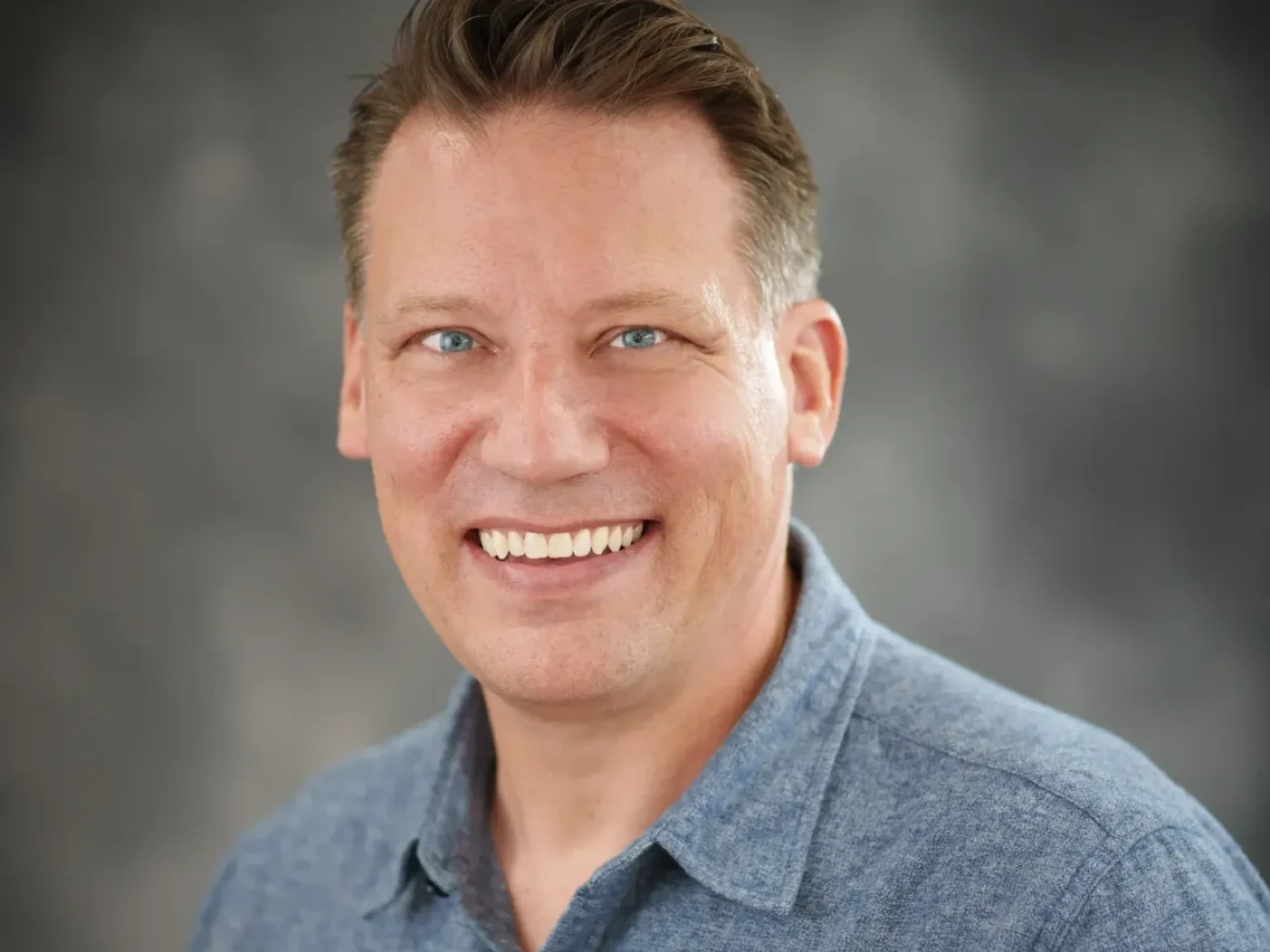
“Soil is the quiet asset class we’ve been depreciating for a century,” explains Tim Weaver, chief strategy office at US ag biotech Holganix.
“It’s both a financial asset and an environmental one—the physical foundation that determines whether all our other solutions compound or collapse.”
Holganix itself works to restore soil health on the farm and assist growers in reducing reliance on chemical fertilizers. In addition to selling microbial soil amendments (notably its Bio 800+ flagship products), it also runs the Farm Possible program to transition more farmers to regenerative agriculture practices.
Speaking from Davos this week, Weaver highlighted the critical role soil plays, not just in boosting yields but in risk-management strategies and on balance sheets, and more.
AgFunderNews (AFN): How can soil health contribute to working within planetary boundaries?
Tim Weaver (TW): What strikes me about planetary boundaries is the plural nature of the outlook.
In agriculture, just like in financial markets, nothing important moves in isolation. Supply-chain stability, water risk, temperature targets, fertilizer runoff, food prices—we often track them on separate dashboards, but in the real world they are one system.
And beneath all of it sits soil.
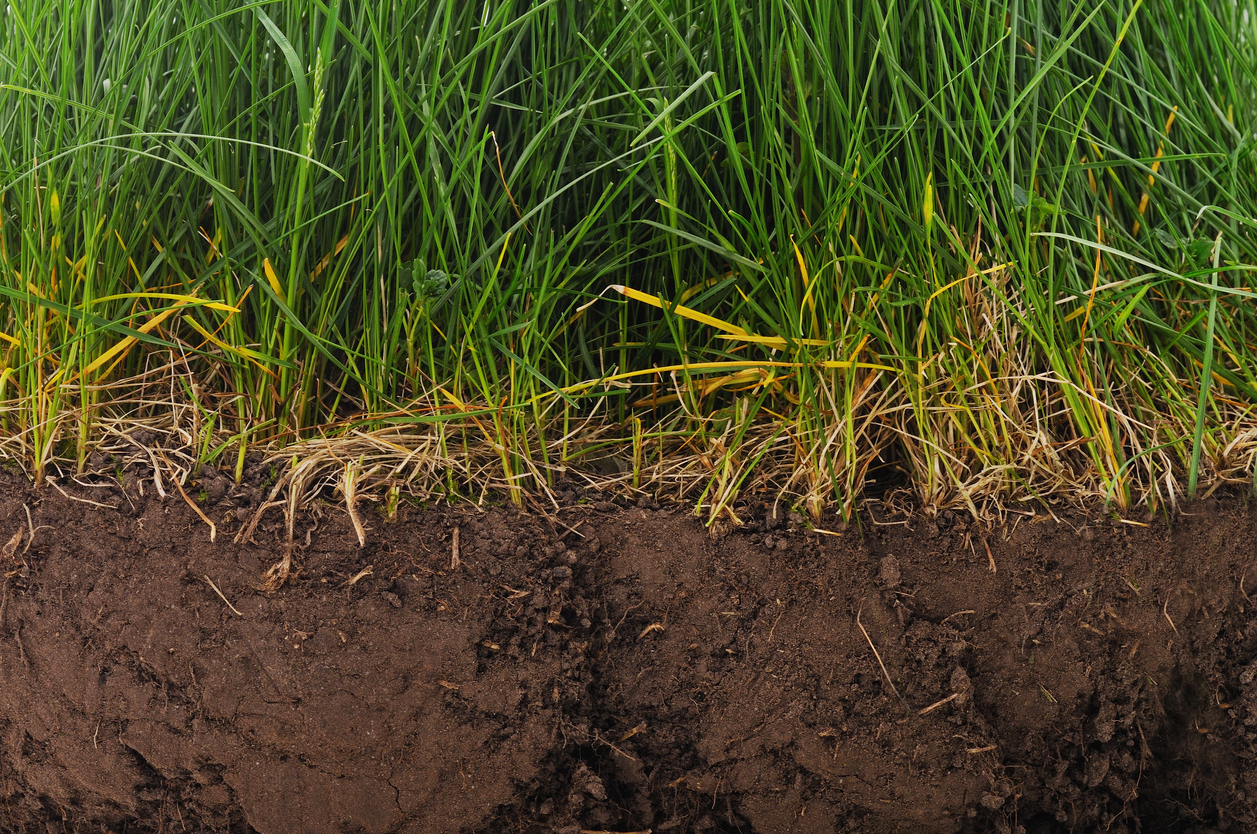
Soil is the quiet asset class we’ve been depreciating for a century. It’s both a financial asset and an environmental one—the physical foundation that determines whether all our other solutions compound or collapse.
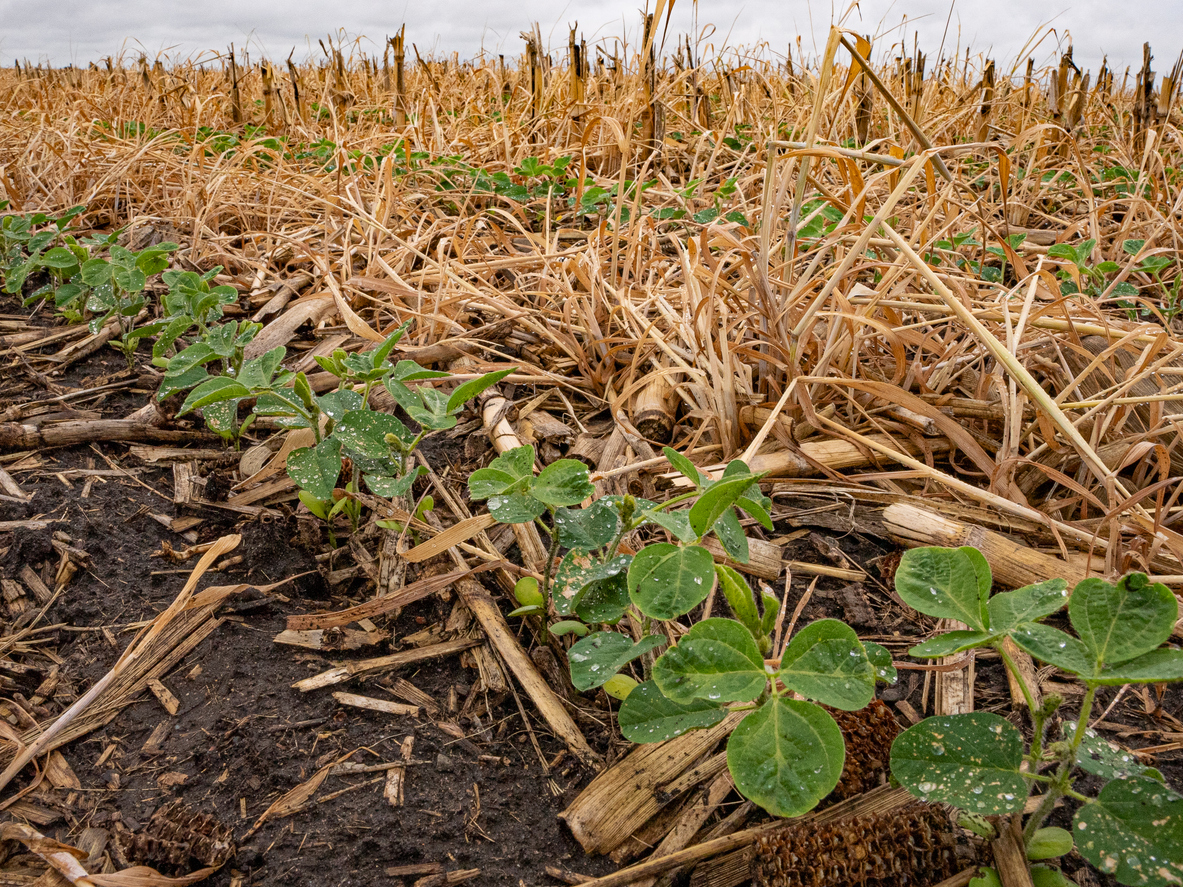
Healthy soil is one of the few systems on Earth that touches climate, water, biodiversity, food security, and land use at the same time. When it works, it stores carbon and puts it to work growing roots and crops instead of releasing it. It absorbs water instead of drying out or washing out. It feeds microbial life that lowers chemical dependence. And it stabilizes yields, which matters enormously in a world where volatility, not just scarcity, is the real risk.
Those aren’t just farmer issues. They’re balance-sheet issues. They show up in insurance markets, food inflation, sovereign stability, and corporate supply chains.
From a Davos perspective, soil health isn’t an environmental side project. It’s risk management at planetary scale. Degraded soils force governments and companies into a permanent trade-off between productivity and sustainability. Functional soils shrink that trade-off. They let us grow more food, more reliably, with fewer inputs and lower ecological cost.
If planetary boundaries are the guardrails, soil is the road itself.
You can debate individual policies, targets, and frameworks forever. But if the system underneath food and water keeps breaking down, none of the models survive an extended contact with reality.
AFN: What technologies in this area are you excited about in agriculture/soil health?
TW: What’s exciting to me right now isn’t a single breakthrough. It’s a convergence.
For most of modern agriculture, technology has focused on controlling nature: more chemistry, more machinery, more force. What’s changing is that we’re learning how to collaborate with biology instead, with both the raw data and the tools to provide the confidence to adopt.
First, biology is becoming more programmable. Advances in microbial science and formulation mean we can now deploy complex living systems with consistency and scale. We’re moving from “spray and pray” to precision biology—tools designed to rebuild soil function specific to sustainable growth, not just prop up crops for one season. The ability to treat farm soil like a long-term factory worthy of investment is exciting.
Paired with better biology, measurement is finally catching up to ambition. Remote sensing, in-field sensors, and AI-driven soil modeling are turning soil, historically invisible to markets, into something that can be monitored, verified, and trusted. You can’t manage what you can’t measure, and you can’t finance what you can’t verify. This is what unlocks better agronomy, better insurance, and credible environmental asset markets.
Then, consider how the software layer connects all that data and all that better biology. Growers don’t directly farm in spreadsheets, but they live with the consequences of them. They need tools that connect soil outcomes to yield risk, input costs, financing, and insurance—not in theory, but for this field, this season. That’ how I am seeing adoption actually happen right now.
Taken together, these shifts point to something bigger: Soil is moving from being treated like an expense . . . to being treated like an asset. It’s a stack of technology is what makes that visible, both to farmers making decisions on margins and to capital markets allocating trillions based on risk, durability, and return.
That tech stack isn’t just digitizing agriculture and the nature that drives successful growth, it’s teaching the market at large how to see the ground under their feet.

AFN: “A spirit of dialogue” is the overarching theme of Davos this year. What might this look like in the agtech world?
TW: Agriculture is one of the few sectors where ideology, economics, culture, and biology all collide in the same field. That makes it powerful—and fragile.
For decades, the conversation has been framed in binaries: technology versus nature, farmers versus climate advocates, sustainability versus profitability, large versus small stakeholders, Global North versus Global South. Those lines used to organize debate. Today, they mostly slow progress.
A real spirit of dialogue in agtech starts by retiring those false choices.
You can already see what this looks like in practice. In the United States, reducing chemical intensity in soils and food now draws support from across the political spectrum — from public-health advocates to conservative farm groups focused on input costs and resilience. That dialogue may well shape upcoming elections.
Water is becoming another undeniable bridge. Rural communities want aquifers that don’t collapse. Cities want flood control and clean drinking water. Insurers want fewer catastrophic losses. Food companies want stable supply. Different politics, same physics. When soil holds water, everyone benefits. When it doesn’t, literally everyone pays.
That kind of alignment is powerful because it’s grounded in outcomes, not ideology. In practical terms, dialogue means building companies and policies with farmers at the table from the beginning, not at the end. It means investors listening to agronomists, not just growth curves. It means scientists engaging with farm economics, not assuming behavior will change because a model says it should. It means growers having honest conversations around the science, keeping their minds open as the data driving today’s choices is meaningfully more thoughtful than what was available just a handful of years ago.
At Davos, there’s often a temptation to speak in abstractions. Agriculture doesn’t allow that luxury. If agtech can model a form of dialogue that is biologically grounded, economically honest, and politically broad enough to travel, it won’t just help agriculture, it will offer a template for how divided systems learn to solve shared problems.
You can argue all you want at the fence line. The soil will always decide what’s going to thrive or fail. I hope that sort of reality fosters those sorts of dialogue that make a difference.

Sign up for our weekly newsletter.