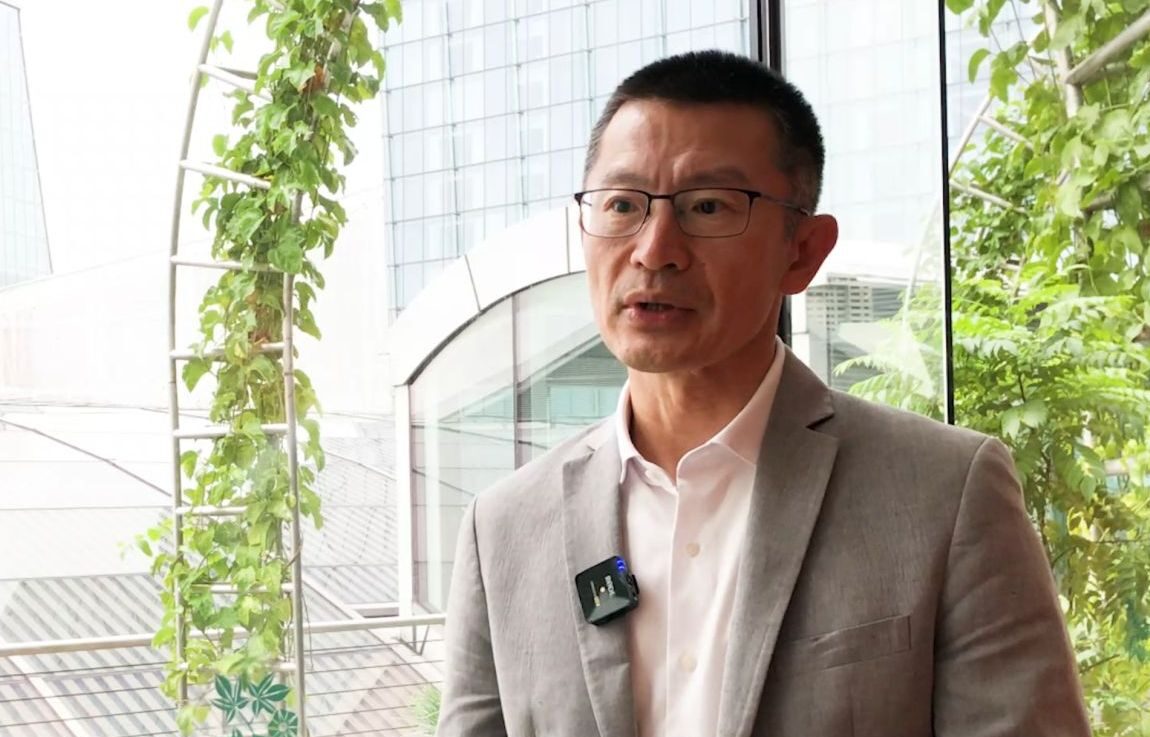
Tao Zhang is cofounder of Dao Foods International, an investment firm established to build alternative proteins in China. It was founded by Tao Zhang from Dao Ventures and Albert Tseng from Moonspire Social Ventures in collaboration with New Crop Capital.
The views expressed in this article are the author’s own and do not necessarily represent those of AgFunderNews.
In the face of global challenges like climate change, resource depletion, and the growing need for healthy lifestyles, the food industry stands at a crossroads. Artificial intelligence (AI), as a neutral technology, if leveraged and steered correctly, could be a beacon of innovation.
As an impact investor, I concentrate on climate and environmental solutions, with a particular emphasis on food sustainability. In my opinion, initiatives related to food sustainability should primarily focus on reducing food waste, enhancing precision farming techniques, and developing alternative protein sources.
Reducing food waste
Growing up in China, I remember the scarcity of quality food and proteins in the early years of my life. This experience shaped how I view nourishment and the importance of access to it. For millions around the world who still face malnutrition and food insecurity, AI’s predictive algorithms could enable stakeholders to anticipate consumer demand with remarkable accuracy. This ensures that food production aligns closely with actual consumption patterns.
China has really stepped up in tackling food waste. In 2020, the government rolled out the “Clean Plate Campaign,” encouraging people to cut down on leftovers, especially at big gatherings and restaurants. They have also introduced policies like fines for wasting food and are pushing for smaller serving sizes in eateries.
As the operator of KFC, Pizza Hut, and Taco Bell in China, Yum China integrates AI into its operations to enhance sustainability. For example, its KFC Super App leverages AI to recommend menu items, reducing food waste and promoting inclusion. Yum China has also set ambitious greenhouse gas emissions targets and is recognized globally for its ESG practices.
Additionally, AI-powered tools like smart ordering systems are popping up in cities to help restaurants predict what customers want and avoid extra food lying around. With how fast AI is advancing, it is exciting to think about what innovative ideas China might come up with to build a more sustainable and waste-free future.
Precision agriculture and enhancement of efficiency
China has been actively integrating AI and advanced technologies into its agricultural practices to bolster efficiency and sustainability. The country has deployed AI-powered drones and smart sensors for precision agriculture. These tools enable farmers to monitor crop health, soil moisture, and pest infestations in real-time.
Moreover, initiatives under China’s “Smart Agriculture Action Plan 2024-2028” promote the adoption of big data and AI in rural areas. These initiatives help to optimize resource allocation and improve yields.
With pilot programs in leading agricultural provinces, China is not only enhancing food security but also setting an example for large-scale, tech-driven agricultural reform.
Development of alternative proteins
A comprehensive discussion on sustainable food for the future must include alternative proteins, which have been a primary focus of my investment firm, Dao Foods, since its inception. AI is a driving force behind the creation of alternative protein sources that reduce the environmental impact of traditional meat production.
ZhongGu Mycelium, a mycelium-based alternative protein company from Inner Mongolia, recently explained at a Dao Foods workshop in Shanghai how they use AI to enhance their protein production. The company is building a proprietary AI model that breaks down the R&D-to-production process into small steps, strategically adding AI-driven improvements throughout.
Several of China’s foremost alternative protein companies are leveraging AI to advance the development of novel protein products that address increasing consumer demand.
Firms like Starfield, a next-generation plant-based food company, are already leveraging AI- driven insights to refine plant-based meat textures and flavors, ensuring that products appeal to local palates while meeting international standards for sustainability. Starfield, for instance, uses machine learning to analyze consumer taste preferences and plant-based ingredient combinations to optimize its offerings.
Obviously, such efforts by food companies such as Starfield and Zhonggu Mycelium, both Dao Foods portfolio companies, are instrumental in bringing scalable and palatable solutions to the Chinese market.
Personalized meal planning
In the context of China, AI-driven meal planning platforms are increasingly addressing the unique demands of Chinese culinary traditions and regional tastes. Companies like Meituan and Ele.me are integrating AI into their food delivery and meal-planning apps to provide users with personalized recommendations that reflect diverse Chinese cuisines, from Sichuan’s bold flavors to Guangdong’s subtler profiles.
Haidilao, one of the largest hotpot chains in China, opened the world’s first artificial intelligence technology restaurant in Beijing in 2018. The restaurant features fully mechanized service with robots as waiters and a panoramic screen for ordering to provide a custom-made hotpot experience.
These platforms also emphasize sustainable practices, such as recommending seasonal ingredients readily available in local markets.
Transparency and traceability
In the dairy industry, maintaining consistent temperatures during production is crucial. Mengniu, China’s second-largest dairy company, partnered with Alibaba, China’s leading commerce platform, to use AI for analyzing supply chain data, such as identifying optimal locations for manufacturing and milk collection, and improving product delivery efficiency.
Alibaba planned to integrate food-tracking blockchain technology into its supply chain. The company conducted a traceability test a few years ago, using AI to track the origins of a package of mangoes in 2.2 seconds, compared to 6 days and 18 hours with traditional methods.
The future of food
Looking ahead, the potential for AI in the food industry is vast. From the development of new sources of quality proteins to autonomous vertical farming systems to AI-designed diets tailored for individual consumers across various age groups and backgrounds, technology is paving the way for pioneering solutions.
AI-driven innovations are anticipated to play a role in addressing global food challenges by optimizing resource use, predicting agricultural risks, and supporting sustainable practices in regions considered vulnerable.
The integration of AI into the food industry represents not only a technological shift but also a moral imperative. By tackling issues such as sustainability, health, and accessibility, AI enables us to rethink our food systems for a better future. All relevant stakeholders for food should learn to embrace AI as a partner in creating a culinary future that is ethical, inclusive, and innovative, aligning with our motto at Dao Foods: ‘Good Food, Better World.’
Further reading:
🎥 What is the market opportunity in China for meat and dairy alternatives?
Nestlé bets big on AI and biotech with new deep tech center in Switzerland