UMAMI Bioworks—a Singapore-based startup specializing in cultivated seafood—has expanded its cell cultivation platform to produce marine bioactives, starting with Polydeoxyribonucleotide (PDRN), a high-value ingredient used in skincare, wound healing, and regenerative medicine.
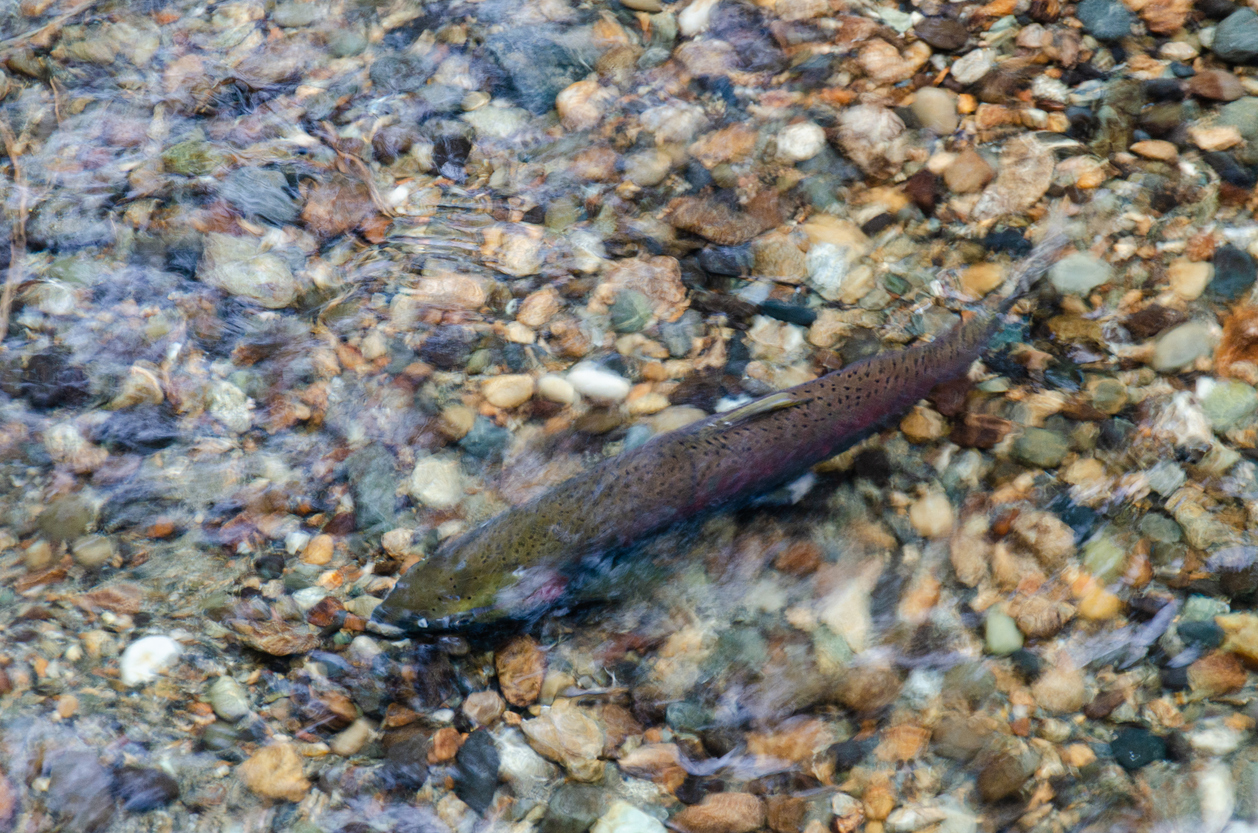
Currently extracted from salmon sperm, PDRN presents supply consistency issues, ethical concerns, and biosecurity risks, claims UMAMI Bioworks, which expects to have commercial-ready cosmetic-grade PDRN made in a bioreactor, instead of an animal, available for partners by Q4, with other categories to follow.
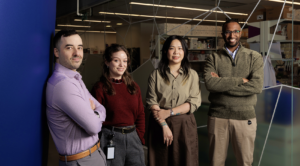
AgFunderNews (AFN) caught up with product manager Gayathri Mani (GM) to find out more.
AFN: How big is the PDRN market and is it your contention that your alternative production method will unlock a bigger market?
GM: The global PDRN market is growing rapidly, driven by demand in regenerative medicine, aesthetics, and skincare with high double-digit CAGR in Asia-Pacific.
We believe that ethical, scalable, and consistent production will remove supply bottlenecks, reduce reliance on animal harvest, and enable entry into new geographies and product categories expanding the addressable market significantly.
AFN: How will your PDRN compete on price or is this more about ensuring consistent supplies and growing the overall market?
GM: Our near-term advantage is supply stability, traceability, and batch-to-batch consistency, which are critical factors for high-performance formulations. Over time, as we scale, our production economics are designed to be competitive with current animal-derived PDRN. This positions us to both grow the market and compete on price.
AFN: What’s the regulatory pathway and how soon might you be able to supply PDRN commercially?
GM: Cosmetics bioactives are regulated differently across major markets. In South Korea, pre-market notification is required with a more rigorous approval process required for “functional” cosmetics. Similarly, Japan distinguishes cosmetics, which require streamlined notification, from “quasi-drugs”, which require approvals.
UMAMI works closely with partners to understand their desired product strategy and to align our regulatory approach with the product positioning and intended claims.
We expect to have commercial-ready cosmetic-grade PDRN available for partners by Q4, with other categories following based on market-specific timelines.
AFN: What is your manufacturing and scale-up plan for PDRN? What downstream processing is required?
GM: We are applying the same scalable bioprocess expertise we have developed for cultivated seafood. Upstream, we grow proprietary marine cell lines under controlled conditions. Downstream, the process involves nucleic acid extraction and purification to meet stringent quality specifications. We have identified contract manufacturing and extraction partners for early volumes.
AFN: You have multiple irons in the fire at UMAMI, how are you prioritizing resources?
GM: We focus resources where we can create near-term commercial traction while building long-term platform value. At present, that includes advancing high-demand, high-value products like PDRN and other marine bioactives for cosmetics and wellness, alongside our core cultivated seafood programs.
AFN: Can you provide an update on your cultivated fish platform?
GM: Our demo-scale facilities in Singapore and Malaysia are going strong. We continue to have strong partnerships with local players, aligning timelines and facility specifications with both partners’ strategic priorities.
AFN: What regulatory submissions do you plan to make where, and when?
GM: For cosmetics, we are preparing ingredient dossiers for submission in Asia-Pacific for now. For food, we obtained regulatory approval for cultivated white fish for use in pet food products in Europe. Our other cultivated seafood regulatory submissions are on track in Singapore, with other jurisdictions to follow.
AFN: What’s the latest on your pathogen testing tool for aquaculture?
GM: Our multiplex nucleic acid-based testing platform for aquaculture is in process of validation with industry partners. We are working toward pilot studies later this year to enable producers to detect and address health issues earlier, reducing losses and improving sustainability.
Further reading:
Cultivated meat consolidation begins as UMAMI Bioworks to merge with Shiok Meats

Sign up for our weekly newsletter.