
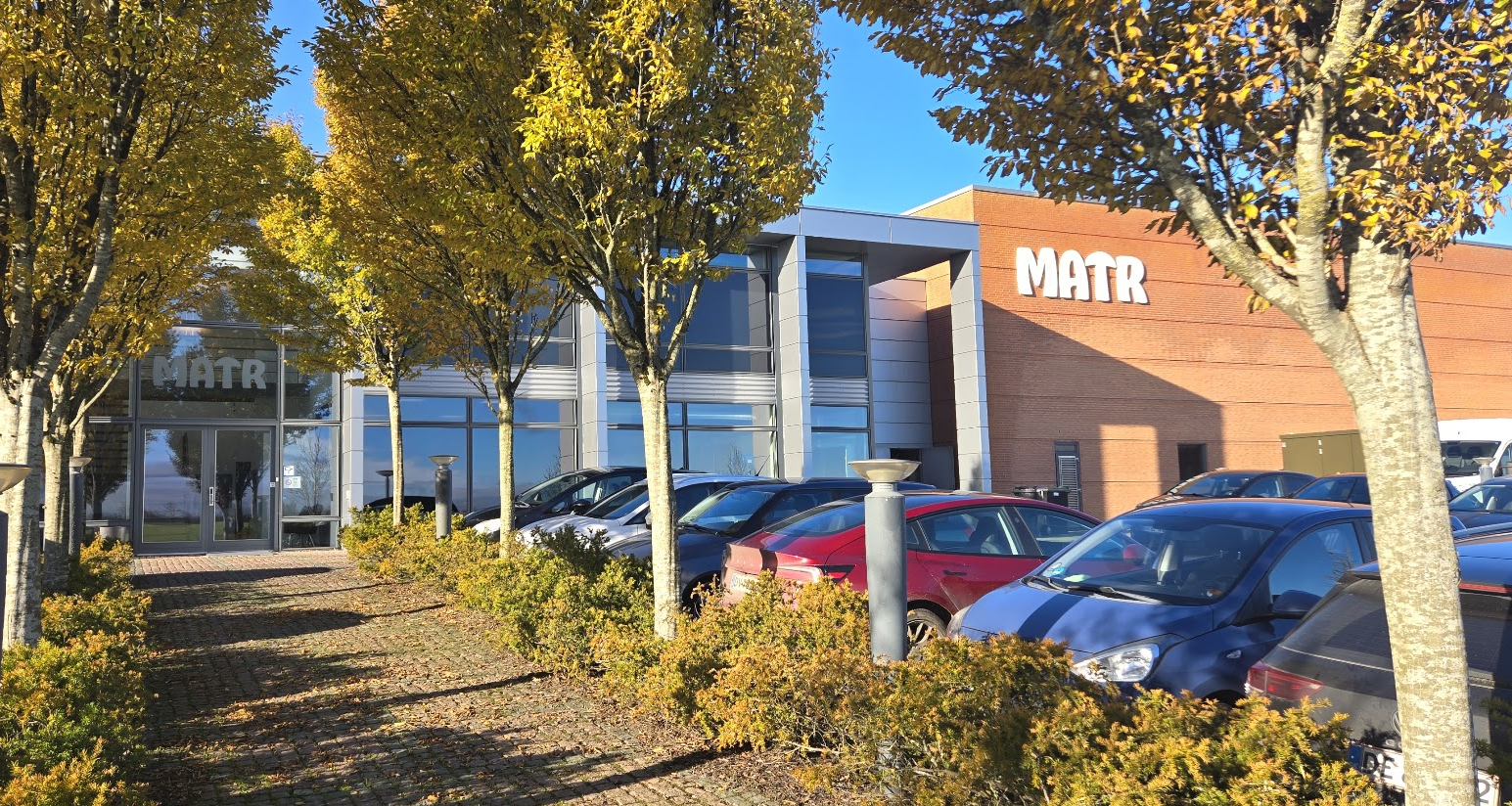
MATR Foods—a startup making meat alternatives via solid state fermentation from legumes, vegetables and grains—has opened its first commercial-scale factory in Denmark.
The move takes MATR from small-scale production in Copenhagen to industrial scale at Ansager in West Jutland at a site capable of producing 4,000 tons of patties, blocks, and mince annually for foodservice and retail customers in Denmark, Germany, and Switzerland.
“The hardest word for us has been ‘No,'” said cofounder and CEO Randi Wahlsten, who spent 10 years at Danish dairy giant Arla Foods before building her own food company.
“Canteens and supermarkets in Denmark and abroad have been asking for our products for a long time, but we’ve had to turn many of them away because we simply couldn’t produce enough. That’s no longer the case.
“The new factory has been built to produce at scale from day one. In Denmark, we are currently listed with COOP, Nemlig.com, Alma and Aarstiderne. In Germany we’re listed in Rewe Online, HIT and for now select REWE and Edeka stores in the Hamburg region. We’re working on closing more deals to widen our distribution in Germany, which this increased supply will facilitate.”
That said, “As this is a first of a kind technology and a big scale leap, our plan is to allow some time to ramp up,” she told AgFunderNews. “We do not expect to be at full capacity until 2028.”
For retail, the firm will supply branded products under the MATR brand name and has no plans to do white label / private label collaborations at this stage, she added. “We want to build a foodtech company with a strong consumer brand, so this is where our efforts go.”
Short, simple ingredients list, ‘juicy bouncy texture,’ and umami flavors
Founded in 2021 by Wahlsten, food entrepreneur Claus Meyer, biophysicist Morten Sommer, PhD, and entrepreneur Rasmus Toft-Kehler, MATR Foods inoculates “boiled and chopped” ingredients such as peas, lupins, beets, potatoes and oats with fungi spores. These increase protein levels, bind the ingredients together, and create savory, umami flavors.
It then marinates the harvested biomass in beet juice and seasonings to create products that are low in saturated fat and high in fiber, said Wahlsten.
“The whole process takes less than a work week. The fermentation process creates both the juicy bouncy texture and the umami notes of the product. This means that we are not adding anything for texture nor flavor and we can keep sodium levels modest.
“In terms of nutrition, the fermentation reduces the carbohydrates [which the microbes eat] and elevates the protein and fiber content. From other studies we have seen that the fermentation increases bioavailability of proteins and minerals, although studies to this effect on our current product have not yet been completed.”
Lower-cost production process
Notably, the process is cheaper than submerged biomass fermentation or precision fermentation from a capex and opex perspective and does not require a lengthy regulatory approval process, claimed Wahlsten.
“We are using a single [fungi] strain within a family that is approved for food use and is non-novel.
“The main equipment [required includes] solid state fermentation chambers and pre-processing equipment. Downstream we only have a marination and a heat step before packing. From the benchmarks we have seen in submerged biomass and precision [fermentation], I believe our technology is more cost efficient.
“We basically cut out the downstream formulation process, operate at lower temperatures and have no waste at all.”
Target markets: Germany, Switzerland, Denmark
MATR Foods is deliberately targeting retail and foodservice because it sees a “positive spillover from restaurant and canteen experiences to retail interest,” added Wahlsten.
“Germany and Switzerland have generally held a higher level of sales in the plant-based categories and not seen as much of a dip [as some other European markets such as the UK]. In general, we see a lot of consumers there who are very dedicated to change their diets or continue to live meat-free.
“But in all three markets we see a similar pattern of a lot of consumers having tried products in the category and not come back. That fundamentally tells me that many consumers want alternatives to meat but they haven’t been satisfied with the solutions they have had so far. We believe we can satisfy much of that demand.”
‘We are not trying to mimic meat’
As for market positioning and messaging, she said, MATR is deliberately not calling its products anything involving the word ‘meat.’ “We are not trying to mimic meat, but to create a new category of meat successors that are just as satisfying and craveable.”
She added: “We want to talk about what the product is and not what it isn’t, so we’ve opted for ‘Fermented Greens,’ as that’s essentially what the product is. This is instead of talking about alternatives and replacement logic. In short, the brand name in the menu is MATR, which simply means food in old Norse.”
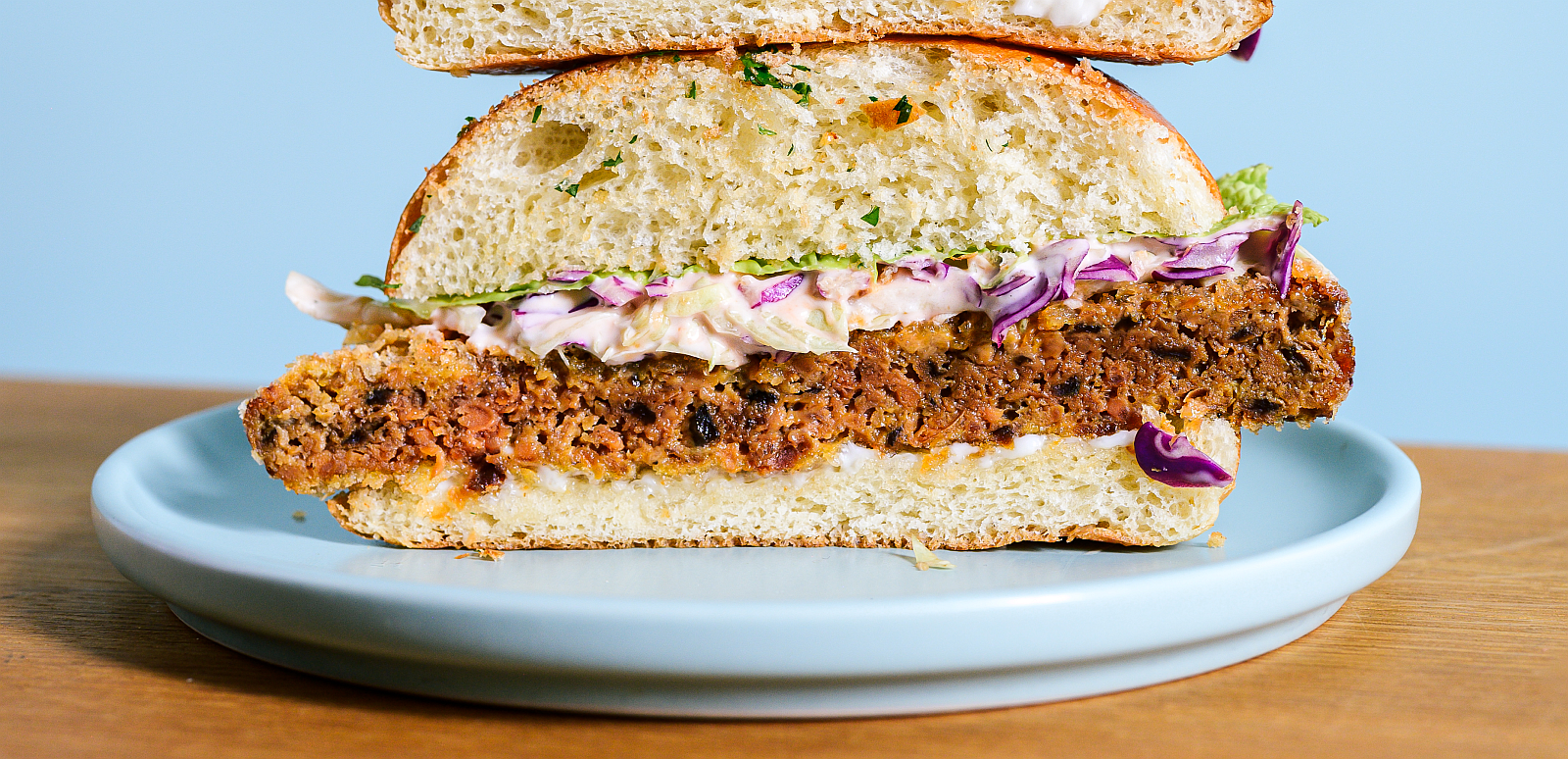
She added: “Fundamentally, customers are excited to get a new type of product that addresses a lot of the category’s headaches. It has a real juicy bite and deep umami notes created through fermentation of organic whole foods with no additives at all. It is real food based on refined craftmanship instead of an ‘alternative.'”
On price, she said, “We usually fare well versus other plant-based products as well as the similar formats from the meat industry.”
Further reading:
Better Meat Co targets large-scale production in India in Q2, 2027 amid brutal mycoprotein shakeout
Millow raises $2.3m, gears up for commercial launch of minimally processed alt meat
Black Sheep Foods bets on ‘TVP 2.0’ as hybrid meat gains traction