

Chunk Foods—an Israeli startup making whole cuts of plant-based meat using solid state fermentation—is on track to become profitable late next year aided by rapid growth in foodservice, new US retail contracts, and a capex-light business model it claims enables it to compete on price with animal-based products.
The startup, which entered the US foodservice market in 2023 and the retail market in 2024, has recently picked up business with Whole Foods Market, Sprouts and H.E.B., and expects to see revenues grow 100% this year following 140% growth in 2025, founder and CEO Amos Golan tells AgFunderNews.
While Chunk Foods is still manufacturing from its Israeli facility and shipping frozen product to the US—a model that comes with hefty freight and tariff costs—the underlying products are already profitable on a unit basis, with company-level profitability says “towards the end of the second half of next year,” he says.
Tapping into the protein craze
Alt meat sales in the US market have been lackluster in recent years, acknowledges Golan. However, retail and foodservice buyers are still keen to try new products that meet consumer needs.
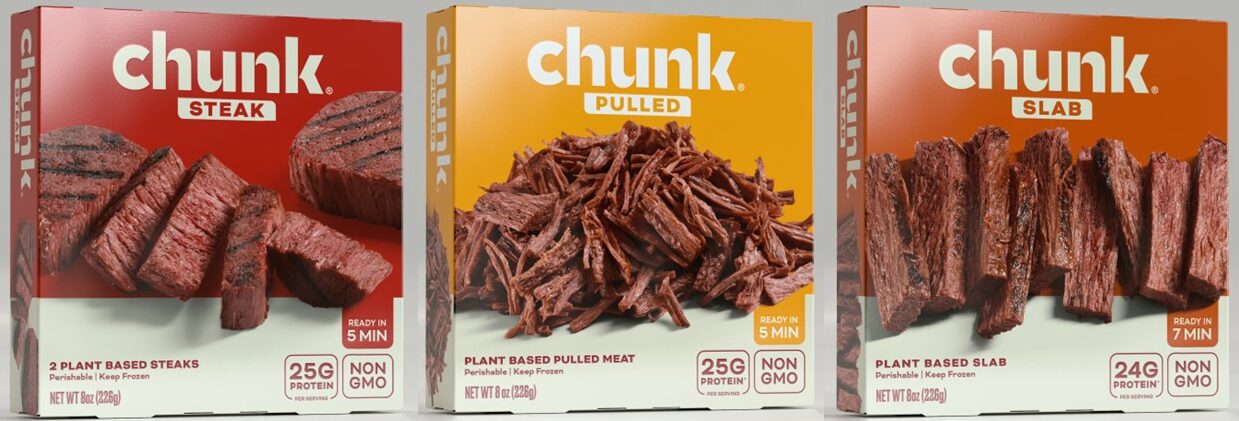
With 25g protein, 3g fiber, 4.5g fat and just 160 calories, a 4oz Chunk steak ticks a lot of boxes for consumers, including those on GLP-1 drugs, delivering a high percentage of calories from protein coupled with convenience and versatility (the product can be pan fried, air fried, grilled, or microwaved), he claims.
“The plant-based meat category is stagnant [in US retail], but there’s a huge shift towards protein in general, so if you have the right product with the right presentation, the right format, and the right story, you can succeed.”
Closing the price gap
While alt meat products are typically more expensive than their animal-based counterparts, recent surges in beef prices have helped close that gap, says Golan.
“I remember five years ago the most basic ground beef product was retailing at around $4/lb and now it’s over $6. As we grow, our fixed costs get divided by a larger volume, and the value perception becomes a lot closer to that of other protein sources.”
Chunk typically retails at around $20/lb, with a range of roughly $16–24/lb, putting it close to steak, especially once operators account for yield, he says. Unlike animal-based steak, Chunk does not shrink during cooking, which changes the value equation beyond simple price per pound: “It doesn’t lose weight while it’s being cooked.”
Unlike Meati, which spectacularly imploded last year after pumping vast sums into submerged fermentation capacity to produce its mycelium-based steaks and cutlets, Chunk’s solid state fermentation tech is far cheaper to build and operate, claims Golan.
The medium being fermented—soy flour—is itself the food, rather than a liquid medium that must later be separated from the biomass and disposed of as wastewater, he points out. This means less waste, lower capex, and a more flexible path to scaling capacity in line with demand.
“We’re growing capacity as we’re growing market, which us very hard to do with other technologies that require a single very large capex investment to start. And when you build a $300 million facility, even if you don’t manufacture anything, there’s a cost associated with that.”
He adds: “We’re pushing capacity in Israel and at some point we’ll be looking for the right partnership to set up production in the US and use the Israeli facility for the local market and to kickstart other markets in the region.”
‘Explosive growth’
Chunk Foods initially focused on smaller retailers to learn what products, pricing and messaging resonated without burning too much cash on trade spending, but found early velocities were “much higher” than the category average, says Golan. That said, it has used some promotions to drive trial, which has proved to be an effective strategy with baseline sales higher after promo periods.
Some retailers are also adding SKUs following initial trials, adds Golan, whose longer-term ambition is to build brand blocks in the freezer aisle with multiple formats and flavors presented as a coherent range rather than isolated SKUs.
In the foodservice market, Chunk is in close to 100 distribution centers through Sysco, US Foods, Chefs’ Warehouse, EFG and smaller local distributors. The strongest pull is coming from operators looking for versatile, high-protein center-of-plate options that can satisfy multiple dietary requirements and work in multiple different settings from corporate catering to hotels, hospitals, and universities, says Golan.
“Chefs are not necessarily looking for a vegan steak; they’re looking for solutions for problems.”
The US—where Chunk Foods’ products are now in 3,000+ locations—remains the priority, says Golan, who says the company has enjoyed “explosive” growth over the past year. However, the products are also performing well in Israel and have a growing presence in Mexico following a partnership with meat and dairy business Sigma Alimentos, which invested in Chunk Foods in 2024.
Solid state fermentation: ‘The unique thing is our ability to control the micro-texture’
Chunk Foods is one of several players making whole cut meat alternatives, from Switzerland-based Planted to Slovenia-based Juicy Marbles; Indonesia-based Green Rebel Foods; Germany-based Project Eaden; US-based MyForest Foods and Mooii Meats; France-based Swap (formerly Umiami); and Spain’s Novameat.
To make its whole cuts, Chunk Foods ferments soy flour with food-grade microorganisms in a proprietary solid state fermentation process.
This is cheaper than using high-moisture extrusion or submerged fermentation (which requires expensive steel fermentation vessels and downstream processing technology), and is highly tunable, claims Golan, who has raised around $24.5 million from backers including Cheyenne Ventures and Fall Line Capital since founding Chunk Foods in 2020.
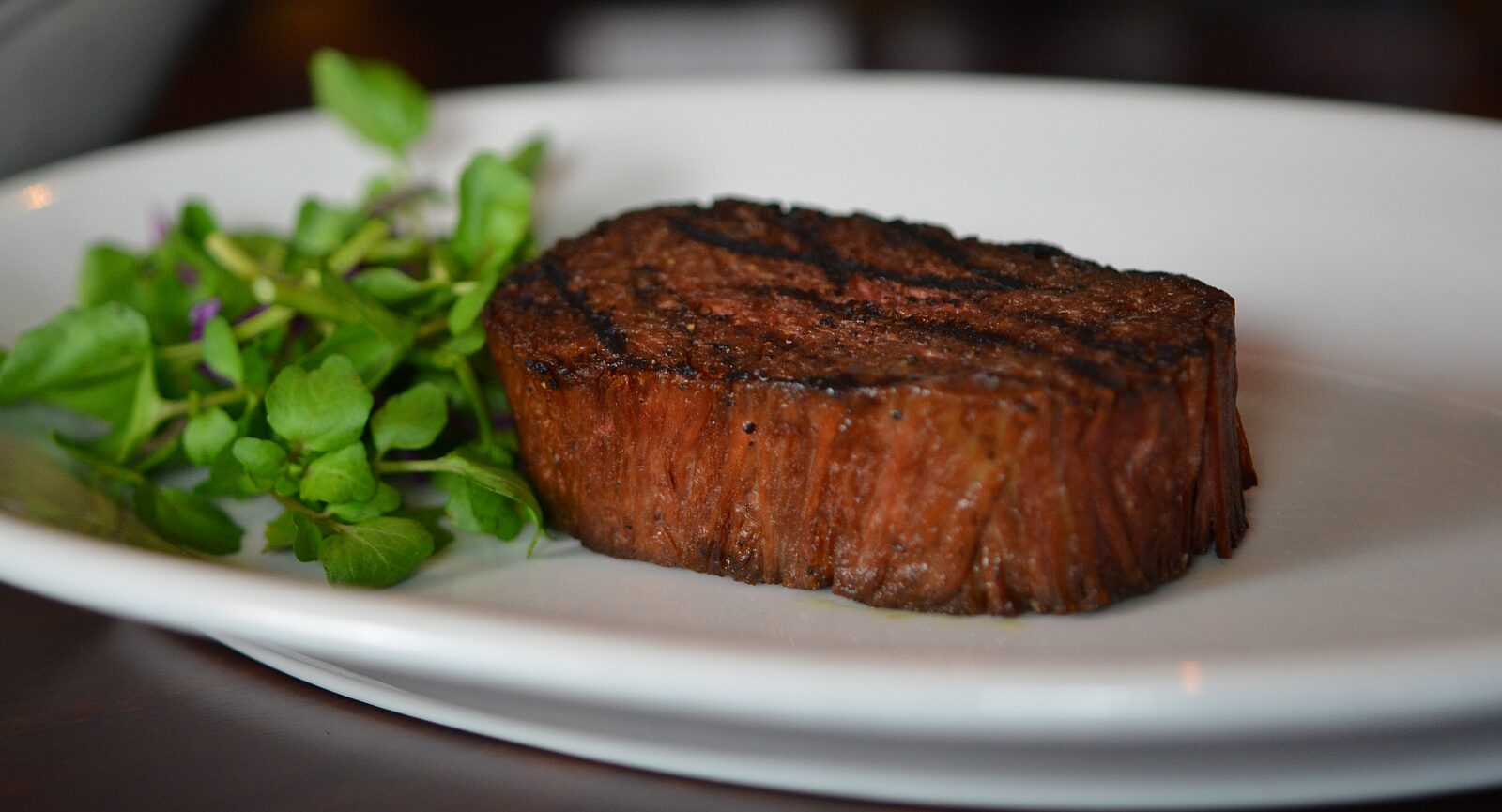
“The unique thing is our ability to control the micro-texture within the whole cut, to the point where we can control the direction of the fibers, the thickness of the fibers, the thickness of the cut, the size of the cut, the color, almost any lever you can pull to change the character of the final product.
“We don’t use any binders or gums, but the product is still super juicy and holds water and fat very well until they are released in your mouth, so you get a juicy, mouthwatering experience. It’s completely different to tempeh.”