
[Disclosure: AgFunderNews’ parent company AgFunder is an investor in Black Sheep Foods]
Black Sheep Foods—a startup formed at the peak of the alt-protein boom to make plant-based lamb—has reinvented itself as a B2B supplier of next-gen TVP (textured vegetable protein) that can be blended with conventional or alt meat at high inclusion rates, helping partners cut costs and improve nutrition.
Regional European processors are preparing launches from September, while larger multi-billion dollar food manufacturers are developing products that could reach the market in 2027, CEO Hans Kunisch told AgFunderNews.
“This is not a new technology searching for a market. It is a major performance leap inside a category already used at global scale.”
Rethinking commodity TVP
Invented by ADM in the 1960s to texturize soy protein, TVP has since become a generic industry term to describe plant proteins produced via low-moisture extrusion (LME).
Frequently added to processed meat as a filler to save money and reduce cooking shrinkage, TVP is a low-cost, shelf-stable product made from soy, wheat or pea protein. It is rehydrated before use in plant-based mince/grounds or as an extender (typically at inclusion levels of 10-15%) but can become spongy or compromise eating quality at higher inclusion rates.
High-moisture extrusion (HME) can produce a more fibrous, muscle-like texture, but requires chilled or frozen distribution, can struggle to absorb fats and flavors, and comes with a hefty price tag.
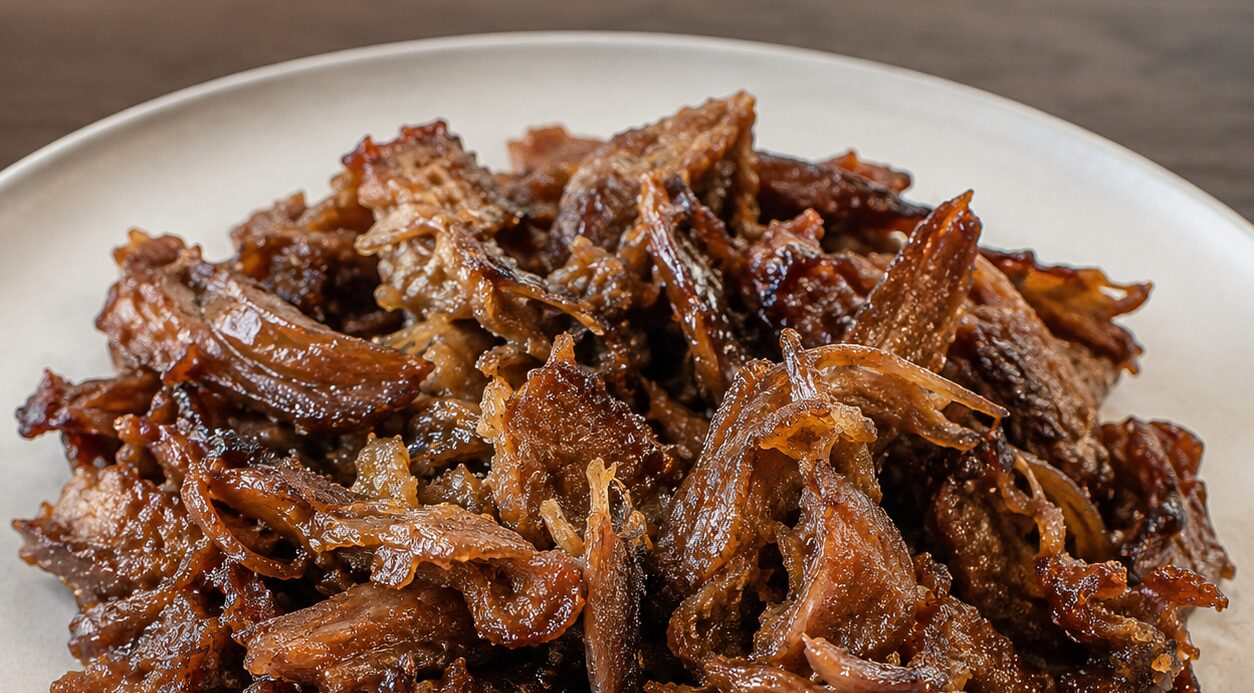
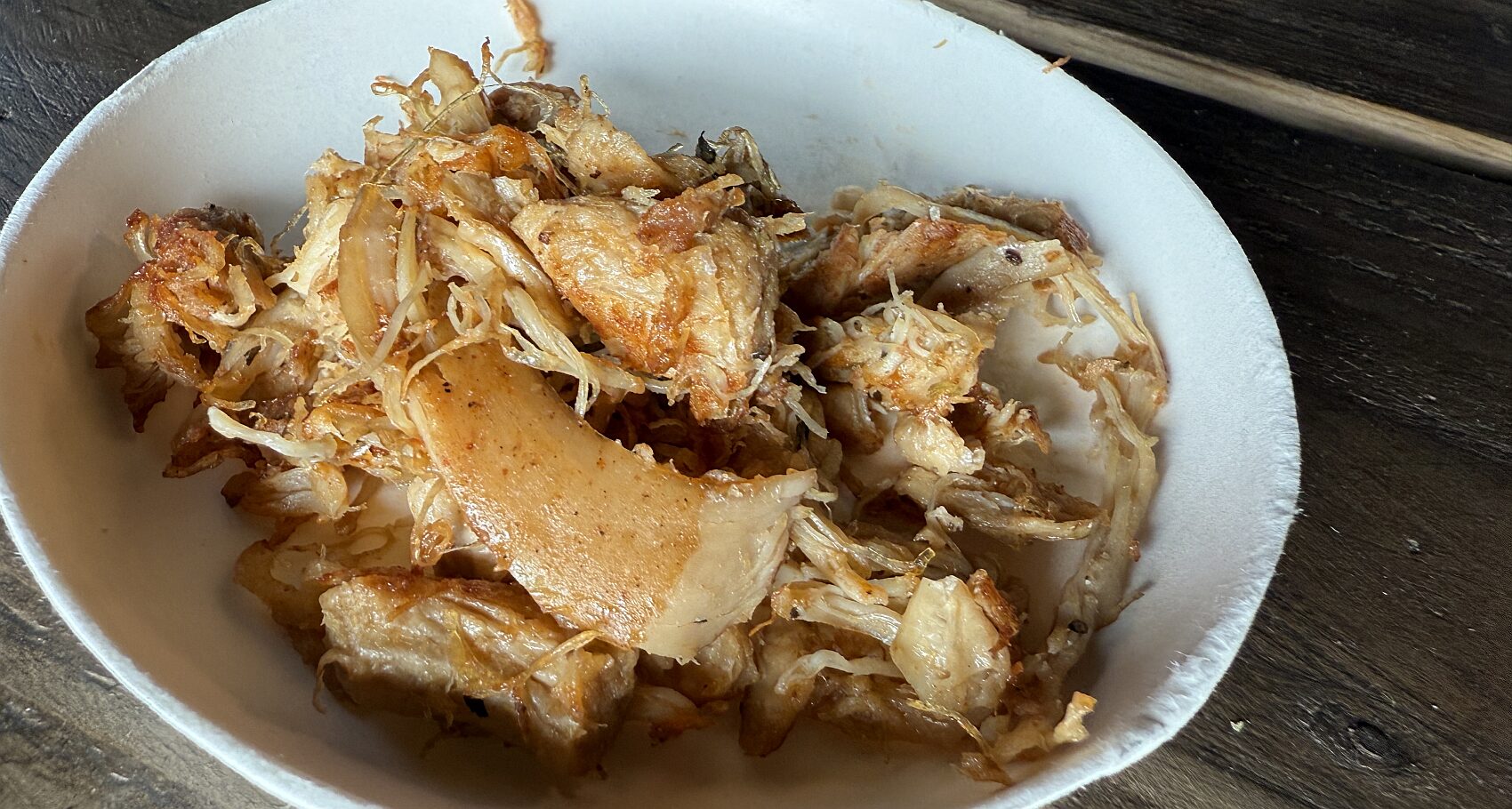
Black Sheep Foods’ shelf-stable DualTexture Protein or “TVP 2.0” from wheat and fava beans has some of the advantages of HME but the price tag of LME, claimed Kunisch. It delivers a neutral flavor with superior bite, fat binding, and flavor carry that can be added at high inclusion levels in hybrid and plant-based systems.
“The DualTexture particle has a hydrophilic (water-loving) fiber region and a lipophilic (fat-loving) trap region, extruded as one structure. This means you get the muscle structure of HME but the fat and the flavors lock into the muscle structure.”
First commercial launches from September
The firm, which has offices in San Francisco and Amsterdam, began actively pitching its new platform in February. It is targeting meat processors, private-label suppliers, prepared meal producers, caterers, and foodservice manufacturers with its wares, which it says are around 33% cheaper than beef.
Its first development partner, a small Dutch processor, tested the DualTexture protein at inclusion rates as high as 70% without compromising taste or texture, although most partners are looking at 30-50% inclusion rates, added Kunisch.
“We were blown away. It’s the greatest thing in the world when the customer teaches you things about your product. We are working on a private-label program with a top-3 EU grocer, demand at two accounts is already capped by supply, and 14 active trials are advancing toward commercialization.”
From alt-meat brand to ingredient platform
Founded by Sunny Kumar and Ismael Montanez in 2019, Black Sheep originally attempted to build a branded consumer products business around premium meats such as lamb.
The pea protein-based products were well received, securing placements at a small number of restaurants and corporate cafés in the Bay area of California. However, the cost of goods was high, and margins were low. By 2023, it was clear that the strategy was not working said Kunisch, a food industry veteran who took the helm at Black Sheep later that year.
The team then took the difficult decision to “massively slim down” the company and focus efforts on scaling DualTexture Protein, a lower cost, more scalable ingredient that can be manufactured on existing extrusion lines at contract manufacturers using Black Sheep’s recipes and settings.
“We started stripping back to ask: what’s the true value of the company?” said Kunisch, who helped build Impossible Foods’ early sales operation and has extensive commercial experience in the foodservice and food retail market.
“And that’s where [CTO] Jen Staton and the team said, ‘We’re also working on this very different TVP,’ and we realized that this actually was the future.”
‘It’s a pure economic argument’
Crucially, Black Sheep is not asking partners to install new equipment, change their production processes or introduce their customers to a novel concept, said Kunisch, who has spent 12 months building a European supply chain.
TVP, he points out, is already well understood by the industry. Black Sheep is just selling a superior version.
The business case, meanwhile, is simple. At base, it can save customers money, he said. “It’s a pure economic argument.” The nutritional benefits (reduced saturated fat and cholesterol, higher protein) and environmental benefits (lower emissions) are an added bonus.
“We have one customer, the Efteling theme park in Amsterdam, which was able to meet sustainability goals by replacing 40% of the beef in some of their dishes.”
An asset-light route to scale
Black Sheep is now raising a small bridge round to support commercialization, said Kunisch, who noted that the firm’s asset-light ingredient model means its fixed costs are very low.
It outsources manufacturing, has a limited number of SKUs, sells to a small number of high-revenue customers and no longer engages in consumer marketing. “[With the hoped for funding] we do get to profitability rather quickly,” he said.
Europe will remain Black Sheep’s initial beachhead, but it has begun talking to US meat processors and could return to the US within two to three years, followed potentially by expansion into Asia.
Hybrid meat
Meat products blending conventional and plant- or mycoprotein-based meat are gaining traction in several markets, with major supermarket chains in Europe including Lidl, Colruyt and Albert Heijn experimenting with the products.
In the US, JOYN Foods—a startup with a blended meat solution (’50Cut’) enabling foodservice companies to save money, improve nutrition, and meet ESG goals—expects to triple revenues this year and become EBITDA-positive in early 2027.
According to cofounder Shalom Daniel: “My ingredient costs 25% sometimes even 30% less than the cheapest beef you can find in the US, the lowest commodity beef you can buy. I’m not trying to save cows or the planet. I’m here to solve pain points for the industry.”
While blended meat can help clients meet ESG goals and cut saturated fat and sodium while boosting fiber, the fact that it can also undercut beef on price is what ultimately seals the deal for customers, he said.
Further reading:
Guest article: What the obituaries for plant-based meat miss
Exclusive: Bayou Best Foods acquires BettaF!sh to build global presence in plant-based seafood

Sign up for our weekly newsletter.