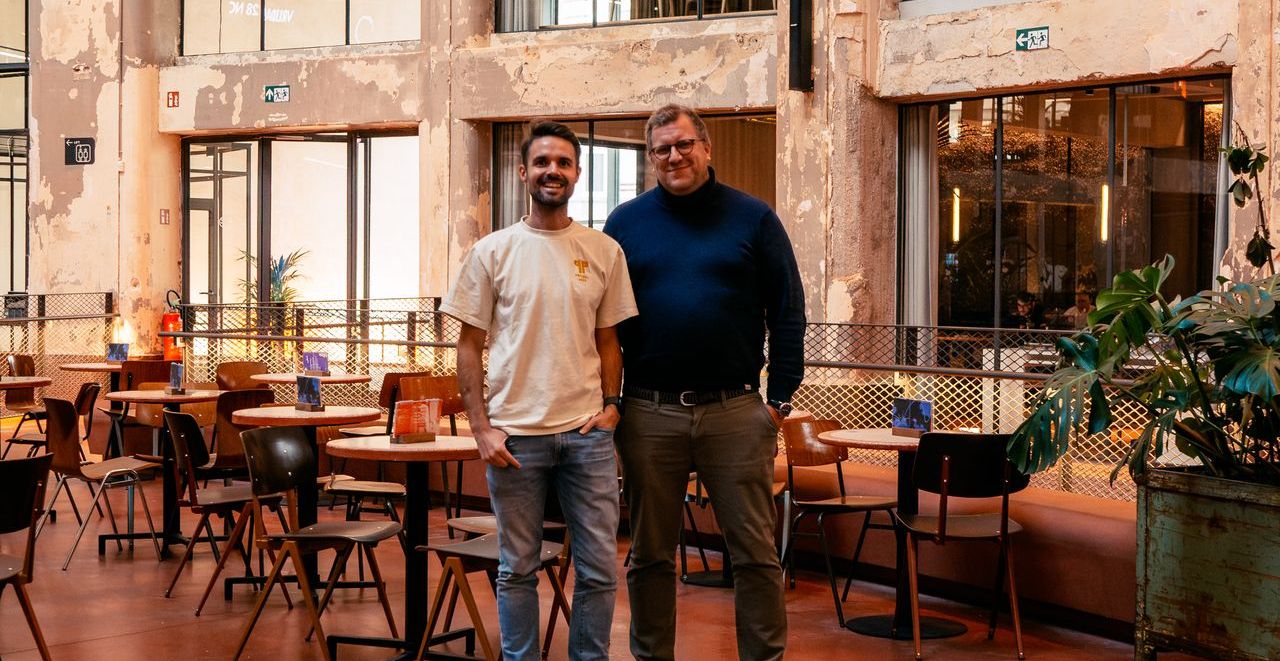
Belgian startup Koppie—which makes a single-ingredient coffee alternative from peas—has raised an undisclosed sum from DOEN Ventures to help build 1,000-tons of capacity in 2026, ensuring sufficient volumes for its first launch partners.
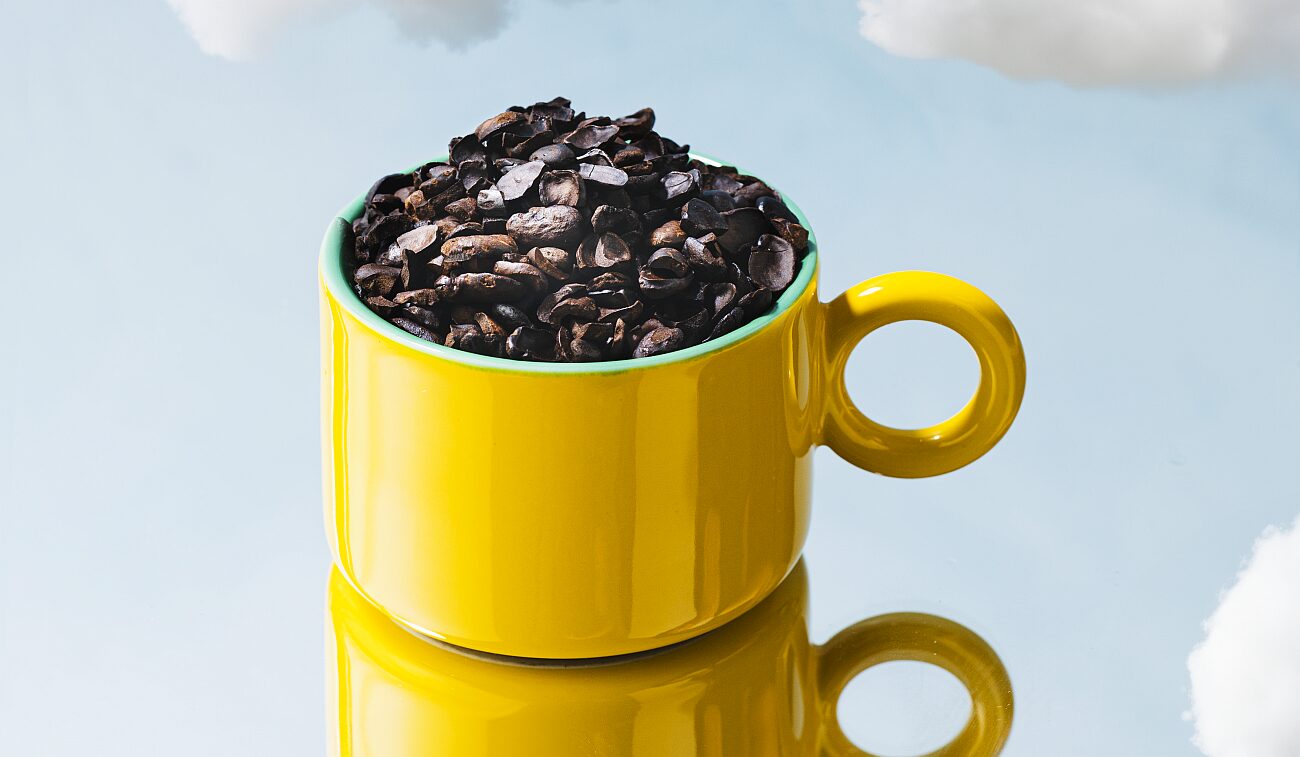
The firm, which deploys patent-pending fermentation and roasting tech to transform pulses into “beans” that can be ground and brewed like traditional coffee, is talking to coffee roasters, retailers, and ingredient companies with a view to bringing hybrid coffee products to market by the end of this year.
Koppie offers a range of b2b products spanning “beans” with customized flavor profiles, blends for espresso and filter coffee, and concentrates for ready-to-drink coffee, ice cream, and bakery applications.
While Koppie’s beans perform well on their own, the key market opportunity is in blending them with regular coffee to help the industry address volatile pricing and availability concerns, says the firm, which raised a pre-seed round led by Nucleus Capital last year.
The follow-on funding from DOEN Ventures—taking Koppie’s cumulative funds to more than €2 million ($2.4 million)—is complemented by a subsidy through the Food Pioneer Accelerators program, which helps agrifood startups in Belgium and the Netherlands scale manufacturing.
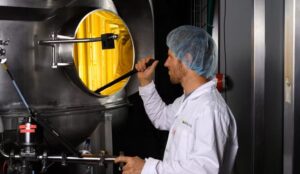
Having recently completed a successful 4-ton industrial trial run, Koppie now has the confidence to scale up, said cofounder Dr. Pascal Mertens. “Our focus now is on further cost optimization and scaling all product variants.”
Asset-light model
Cofounder Daan Raemdonck told AgFunderNews: “We chose an asset-light model where we tap into existing infrastructure. We have found partners that possess the right process steps and excess capacity we require. We’ve brought these partners on board and have successfully tested our process on their equipment. As a result, we have an indicative capacity of 1,000 tons available at the partner site.
“We see that a large majority of potential customers are seeking to roast our fermented and dried beans themselves in a coffee blend. That’s a competitive advantage our technology brings, given our end-product after fermentation roasts just like coffee and on coffee equipment. That enables them to do it themselves, have more control, and make the product uniquely theirs.”
As for customers, he said, “We are in advanced stages of testing and commercial discussions with a select set of partners. Virtually all of these are looking to create a hybrid, typically ranging from 15% to 50% Koppie blended in. The blend ratio really depends on the brand and concept objective, targeted price point, and the specific coffee blend.”
For foods and beverages currently using coffee concentrates, meanwhile, Koppie can be used at far higher levels, and potentially replace coffee entirely.
Coffee under threat
In part due to climate change, the amount of land that can sustain coffee is dropping, while Arabica—the favored species— has weak genetic diversity and only grows at certain temperatures.
By 2050, according to one recent analysis, the land suitable for growing Arabica could be reduced by 50%, which could lead to a significant reduction in production, while demand for coffee is also rising, particularly in large markets such as China and India.
As for pricing, harvests can vary wildly from year to year making the coffee market notoriously volatile, said Raemdonck. But if you normalize the curve, especially for premium-grade coffee, prices are only going in one direction over the long term.
“Prices have come down from the extraordinary high of last year and further bumper crops are being projected.”
However, stocks remain at a 20-year low, he added. “So while we’ll see some easing short to medium term, the structural issues have definitely not gone away and matters will most likely deteriorate again in two to three years. We absolutely believe we can be competitive and relevant in such a market.”
👉 Watch our recent interview with Raemdonck at Future Food-Tech in London last fall:
Further reading:
🎥 Koppie’s secret weapon? A fermented ‘bean’ that roasts like coffee
Prefer raises $4.2m, launches soluble bean-free coffee and cocoa powders
Compound Foods launches ingredient platform to future proof coffee and cocoa