
Singapore-based startup Prefer has launched new soluble bean-free coffee and cocoa powders to help food and beverage manufacturers navigate higher prices and shrinking supplies of the sought-after commodities.
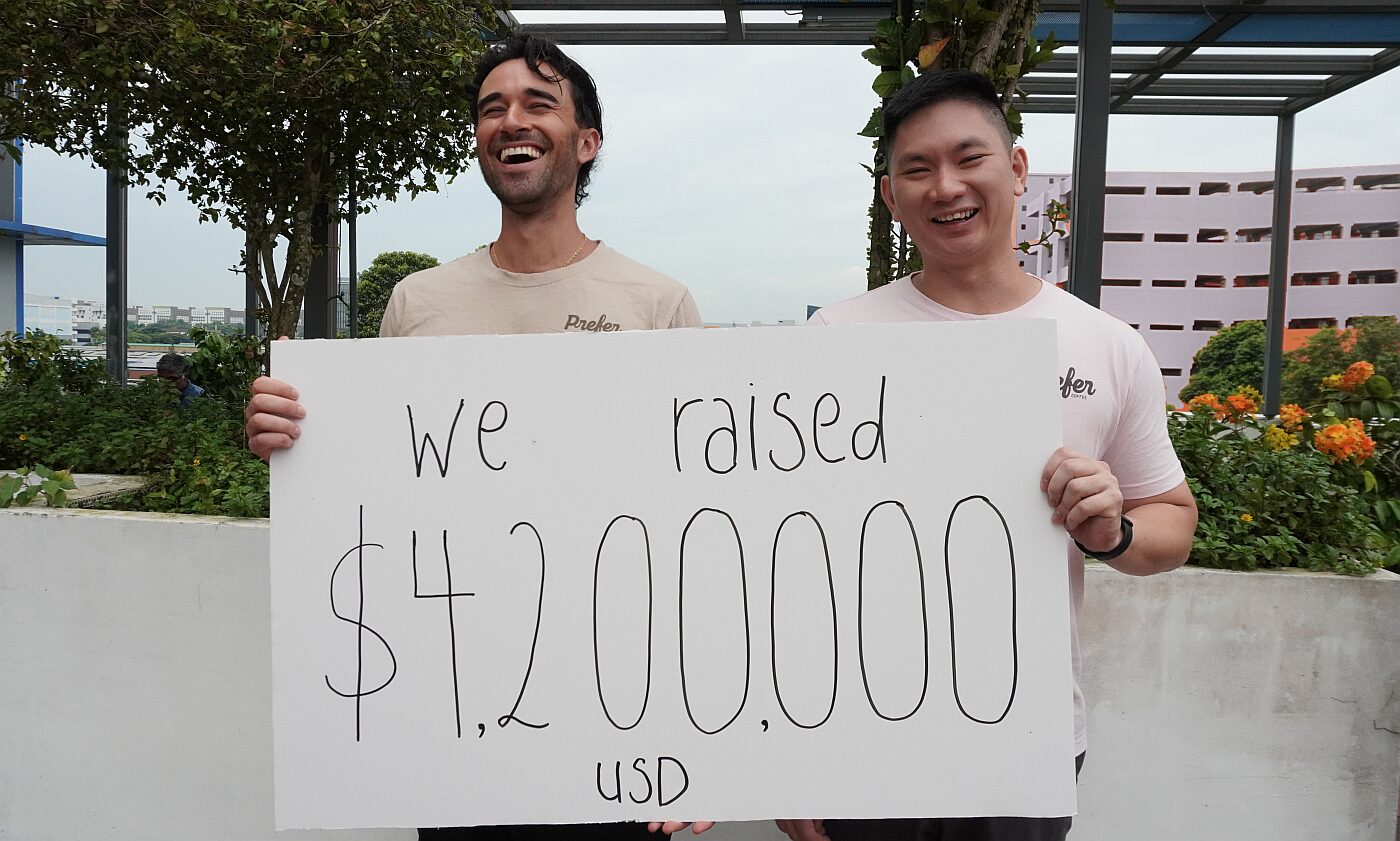
The startup has also raised a $4.2 million round led by At One Ventures and Chancery Hill Ventures with participation from Forge Ventures, taking its cumulative funding to $6.2 million.
The round comes hot on the heels of two new commercial partnerships to expand its reach in Asia Pacific. The first is with Ajinomoto— the market leader in ready-to-drink coffee in Thailand—to develop coffee beverages. The second is with a new entity called The Coffee Ferm that will manufacture Prefer’s beanless coffee under license for distribution in Australia and New Zealand.
“This funding enables us to expand production, strengthen our technology moat, and partner with food and beverage companies,” said Prefer cofounder and CEO Jake Berber. “We’ll also deepen R&D into cocoa flavor development. The vision is to use our fermentation technology to create a portfolio of flavors and ingredients created in a more affordable and sustainable way.”
“Our investment in Prefer reflects both the urgency of reducing our food system’s agricultural footprint and our conviction in this team’s ability to deliver a sensory-equivalent experience with radically lower environmental impact, all while driving cost savings for customers.” Helen Lin, partner, At One Ventures
Hybrid model enables coffee brands to stretch supply and reduce costs
Founded in 2022 by Jake Berber (CEO) and Ding Jie Tan (CTO), Prefer makes its bean-free goods via a proprietary fermentation and roasting process.
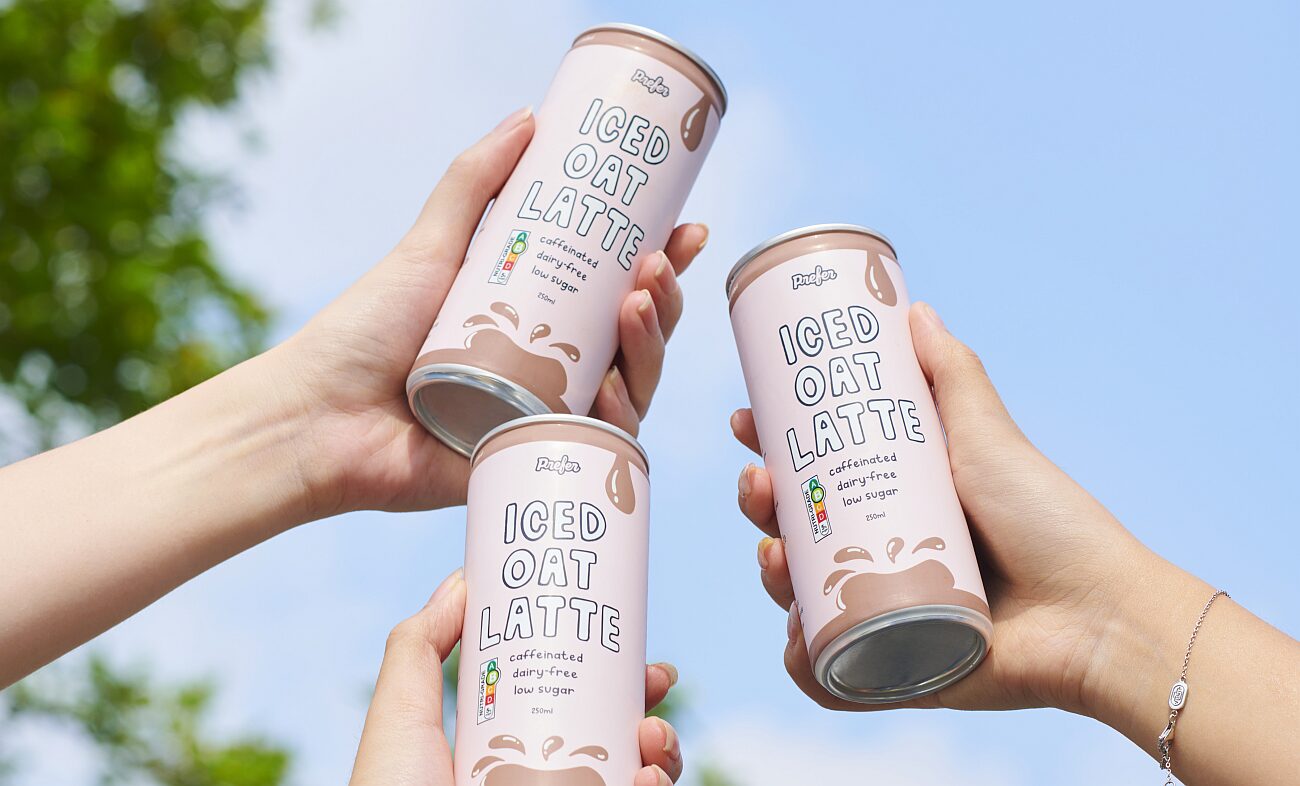
While it has launched ready-to-drink products in Singapore (pictured below) to demonstrate consumer interest to potential industry partners, its primary focus is supplying b2b ingredients to companies looking to replicate the taste and functionality of coffee and cocoa.
The plan is to scale its alt-coffee production to 500 tons annually via toll manufacturing and by licensing its IP to food manufacturers, Berber told AgFunderNews.
According to Berber: “Prefer is best used as a coffee extender. Blending up to 40% Prefer with 60% coffee delivers the coffee experience and allows brands to stretch supply, reduce costs, and lower emissions.”
Prefer has two products: ground coffee that can be added to regular ground coffee and used in coffee machines, and a new soluble coffee that can be incorporated into instant coffee, ready to drink products, and other formulations where soluble coffee is used.
“The idea is to create hybrid, blended products,” said Berber. “Up to 40% Prefer has been shown to not impact the flavor of whatever coffee it is blended with, so you are getting a more affordable coffee as our product is up to two times more affordable than a soluble arabica coffee.
“Of the $15 million worth of MOUs [memoranda of understanding] that we have secured, around $10 million of that was on the basis that we develop a soluble powder. This allows FMCG companies to reduce their costs in the format that the mass market drinks the most, which is instant coffee and ready to drink.”
He added: “We’re supporting the food industry rather than disrupting it. We just want to make coffee accessible for all as rising prices mean that the mass market is getting priced out. So I think it’s important for us to be creating hybrid, blended products with the biggest coffee companies in the world to ensure that consumers can always afford this ritual and experience that they love.”
Short ingredients list, affordable ingredients
Unlike some alt coffee startups that use a long list of ingredients, Prefer uses a combination of okara (a byproduct of the tofu production process) and broken rice to make its alt-coffee, and as yet undisclosed ingredients to make its alt-cocoa, said Berber.
The distinct flavors and aromas come from the microbes used in the fermentation process and the processing parameters, he explained. “It does not require any specialized equipment because we built this from the beginning to service b2b and so we could scale with toll manufacturers or license our IP [so other food companies can manufacture the products as well].”
He added: “Today we use rice and soy in our in our default product, and we have just developed an allergen-free product as well that is soy-free, although I’m not able to share the other ingredient yet.
“The technology is incredibly robust in terms of the feedstock that we can use. So for example, we have a project going with the large coffee company where we’re actually using their spent coffee grounds as one of our ingredients along with rice and soy [okara].”
Moving forward, he said, Prefer is also exploring a highly concentrated version of its soluble coffee that could be listed in foods as “natural flavor.”
‘The sustainability story is a bonus’
While multiple startups have entered the alt coffee space in recent years, Prefer has “focused solely on price and taste, which is exactly what big food companies are looking for,” claimed Berber.
“The sustainability story is a bonus, but really we’re talking about reducing costs and maintaining flavor. And because we’re very robust in our technology, we can use affordable ingredients, and because we’re using standard food industry equipment, it allows us to get to a cost point that I think that we’re market leader on today.”
He added: “We’re also getting really great results in blind taste tests. But it’s been a long journey for almost three years now, of basically studying what makes coffee taste and smell the way it does. We then look backwards and ask what are some chemical reactions that we can create via fermentation with different starches, amino acids, and microorganisms at specific temperatures and timings of fermentation and roasting to recreate these flavors?
“And that’s the really the beauty of the technology because we can use it beyond coffee to look at cocoa and other crops under threat like vanilla and hazelnut. It’s the same core fermentation and roasting technology, just with new microorganisms and new ingredients to achieve the new flavors.”
Further reading:
Compound Foods launches ingredient platform to future proof coffee and cocoa
Is plant cell culture a scalable way to futureproof cocoa and coffee?