
AI use among CPG executives has jumped 69% from last year, according to a new report from agrifoodtech consultancy Bright Green Partners.
While this growth is perhaps unsurprising, large food companies should bear in mind ongoing challenges in order to “unlock meaningful commercial impact” from AI tools—human creativity and pristine datasets are everything when it comes to actual agrifood innovation.
What’s working:
Amsterdam-headquartered Bright Green Partners, which maintains a network around Europe, named AI in food production the first of eight trends to watch in 2026 for executives, investors, and innovation leaders working in or close to agrifoodtech.
Among the reports findings:
- AI in food processing is projected to grow from ~$15 billion in 2025 to ~$140 billion by 2034 at a CAGR of 28%.
- CPGs now lead AI adoption: 71% of CPG executives surveyed now use AI, up from 42% in 2024.
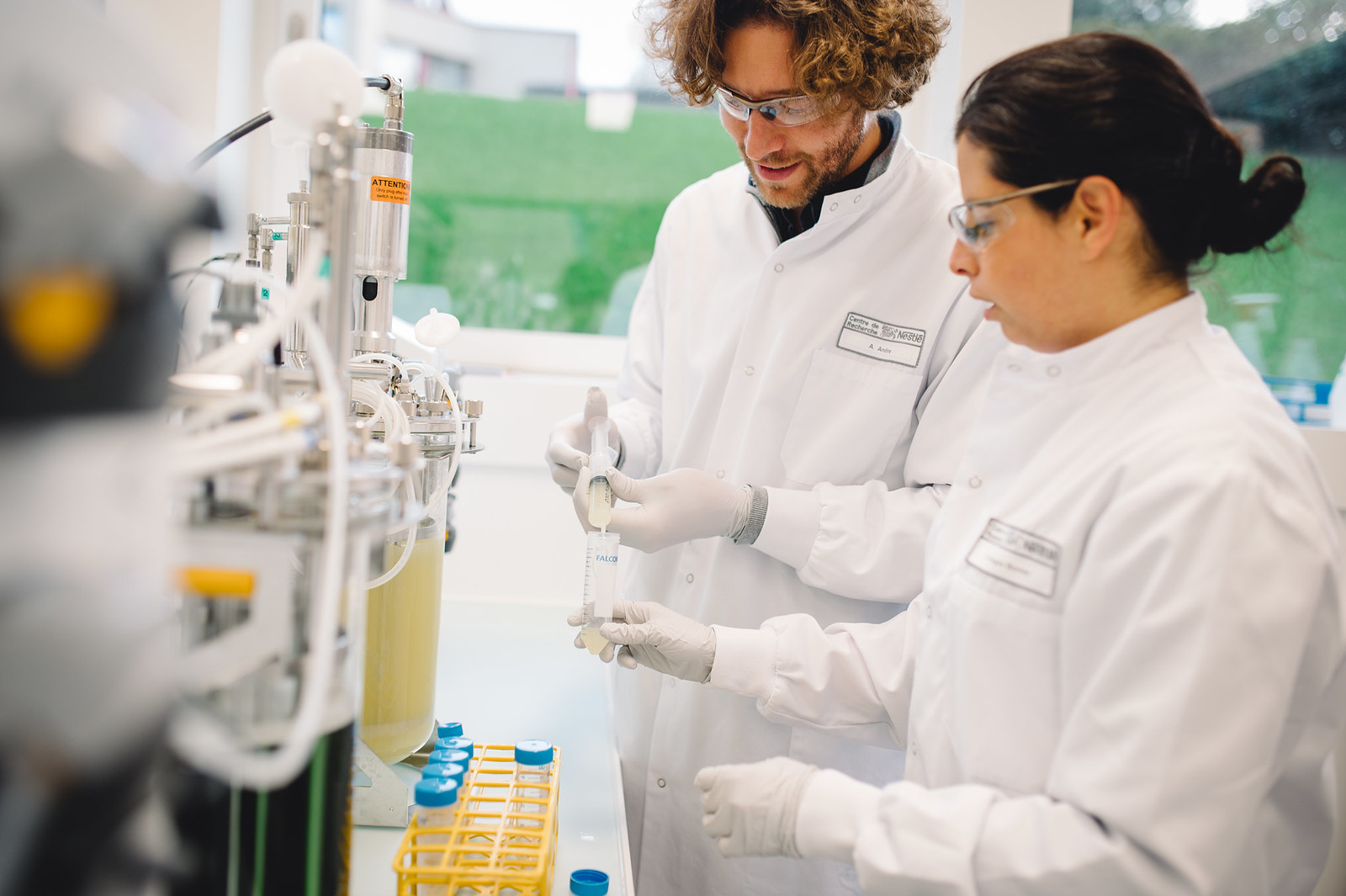
- AI enables faster food formulation cycles, as “generative tools can explore thousands of ideas rapidly.” For example, Nestlé generated over 1,300 concepts in three weeks rather than a few months. (Around 30 actually made it into the pipeline.)
- How ingredients perform together (e.g., gelling, emulsifying) becomes more predictable with AI. This could help companies boost the health or sustainability profile of a food without diminishing its sensory properties.
- Sensory modeling get more predictable: “AI predicts taste, mouthfeel, melting, crispiness and guides optimization for alt-meat, alt-dairy, beverages, and ready meals.”
What’s still challenging:
Corporates may now lead the charge for AI adoption, but Bright Green Partners’ report also underscores factors that could render these companies antiquated instead of innovative.
Many CPGs cling to status quo. As the report notes, “Many organizations still default to ‘the way we’ve always done it,’ leading to slow integration of AI into core workflows. Risk- averse processes, siloed R&D structures, and limited digital skills make teams hesitant to trust AI recommendations.”
Overusing generic generative models could result in homogenous products across a company and the industry. “Human creativity and proprietary datasets become key differentiators.”
Corporates overestimate AI’s creativity. “It’s not great at creating new ideas; it’s great at improving what already exists . . . The highest value today is in combining human expertise with AI-driven precision – human intuition plus data-based iteration,” noted one expert interviewed for the report.
How startups help
Bright Green Partners report calls out a number of startups currently developing AI-based tools that appeal to corporate needs in agrifoodtech:
NotCo uses its AI tools to help industry partners, including Kraft Heinz, develop better products.
- HowGood helps large companies manage production and supply chain data to better track sustainability progress.
- Brightseed has a vast database of plant-based compounds, and can predict how these can enable specific health benefits in food items. [Disclosure: AgFunderNews’ parent company AgFunder is an investor in Brightseed.]
- Shiru deploys AI to assist companies with ingredient discovery, including ways to naturally stimulate production of GLP-1.