New field trial data on Romaine lettuce shows that organic fertilizer made from microbes that eat waste methane from farms and landfill sites delivers “significantly higher yield” than conventional feather meal.
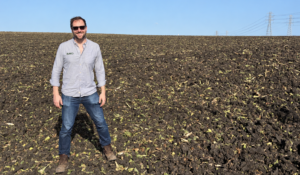
The trial, conducted by Ag Metrics Group, found that Windfall Bio’s FOUNDATION organic fertilizer increased lettuce yields by 23–34% over feather meal and performed as well as pricier soy hydrolysates.
Additional trials on tomatoes, broccoli, spinach, and cold-season lettuce are now underway to demonstrate the fertilizer’s broader market potential.
The data show that “landfill owners can make more money from their gas and farmers have a cheaper, better, local source of fertilizer,” Windfall Bio cofounder Josh Silverman, PhD, tells AgFunderNews.
Why it matters
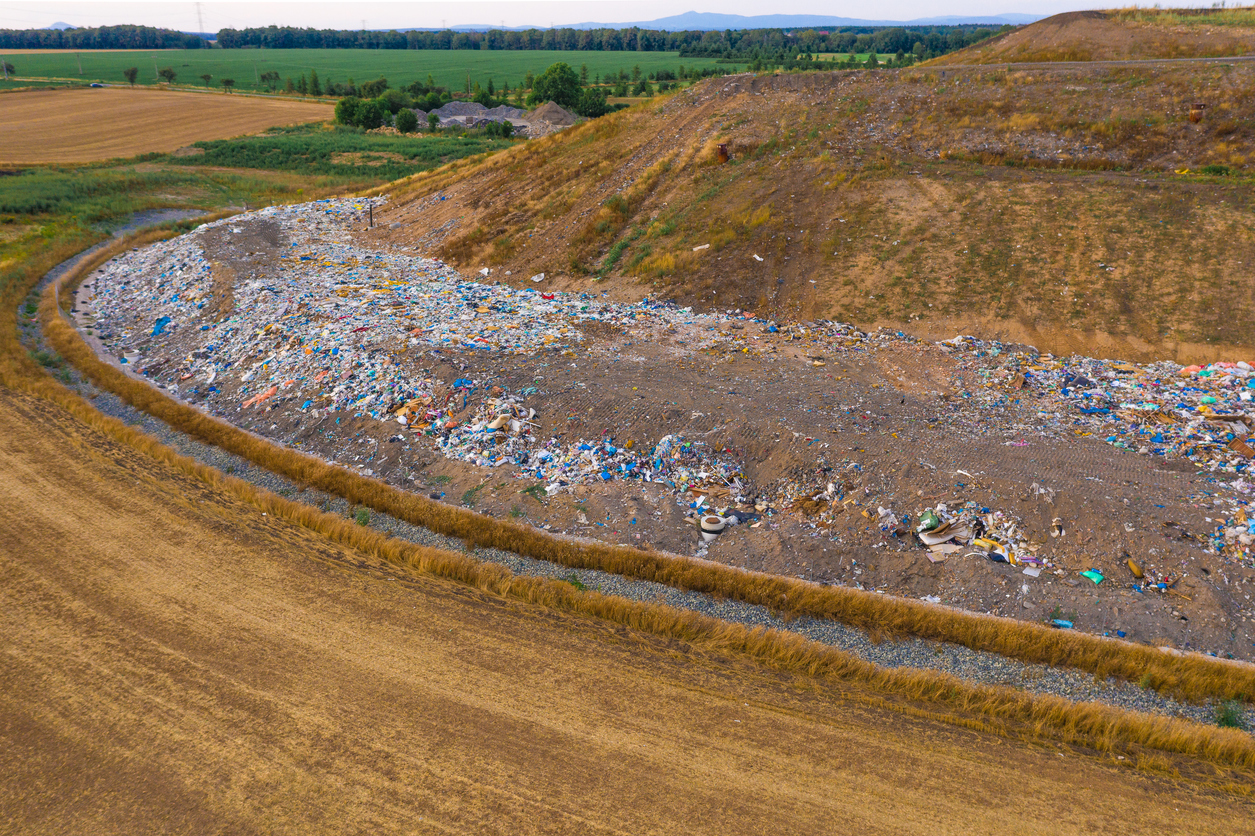
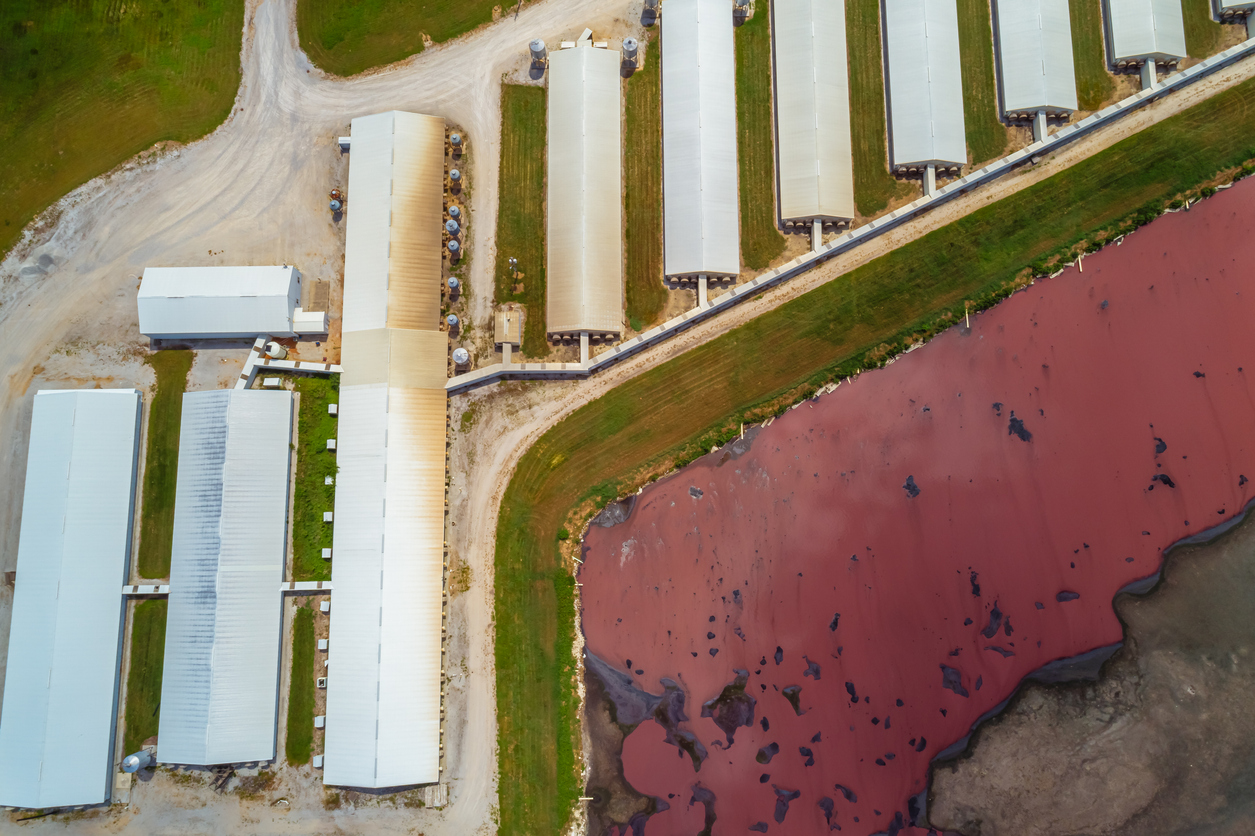
Right now, waste methane produced by manure lagoons, waste management sites or landfills is either released directly into the atmosphere, flared off, or turned into renewable natural gas (RNG) or electricity, says Silverman.
While the latter options were popular a few years ago as a means of generating value from waste, the economics are now far less favorable, he claims.
“They are very dependent on subsidies. RNG, for example, was driven almost entirely by LCFS [low carbon fuel standard] subsidies and electricity was driven by renewable electricity credits.
“Now, with the increase of solar and wind, the price of renewable electricity has dropped dramatically, and many people who were turning methane into electricity have turned off their generators because it doesn’t make the money anymore.
“We said, can we do something better with the methane than just releasing it or burning it?”
How it works
Silverman co-founded gas fermentation firm Calysta, which harnesses methane-eating microbes to make high-protein animal feed and petfood, so knows a thing or two about methanotrophs. He has spent the last three years optimizing communities of soil bacteria that naturally convert methane into energy and pull nitrogen from the atmosphere.
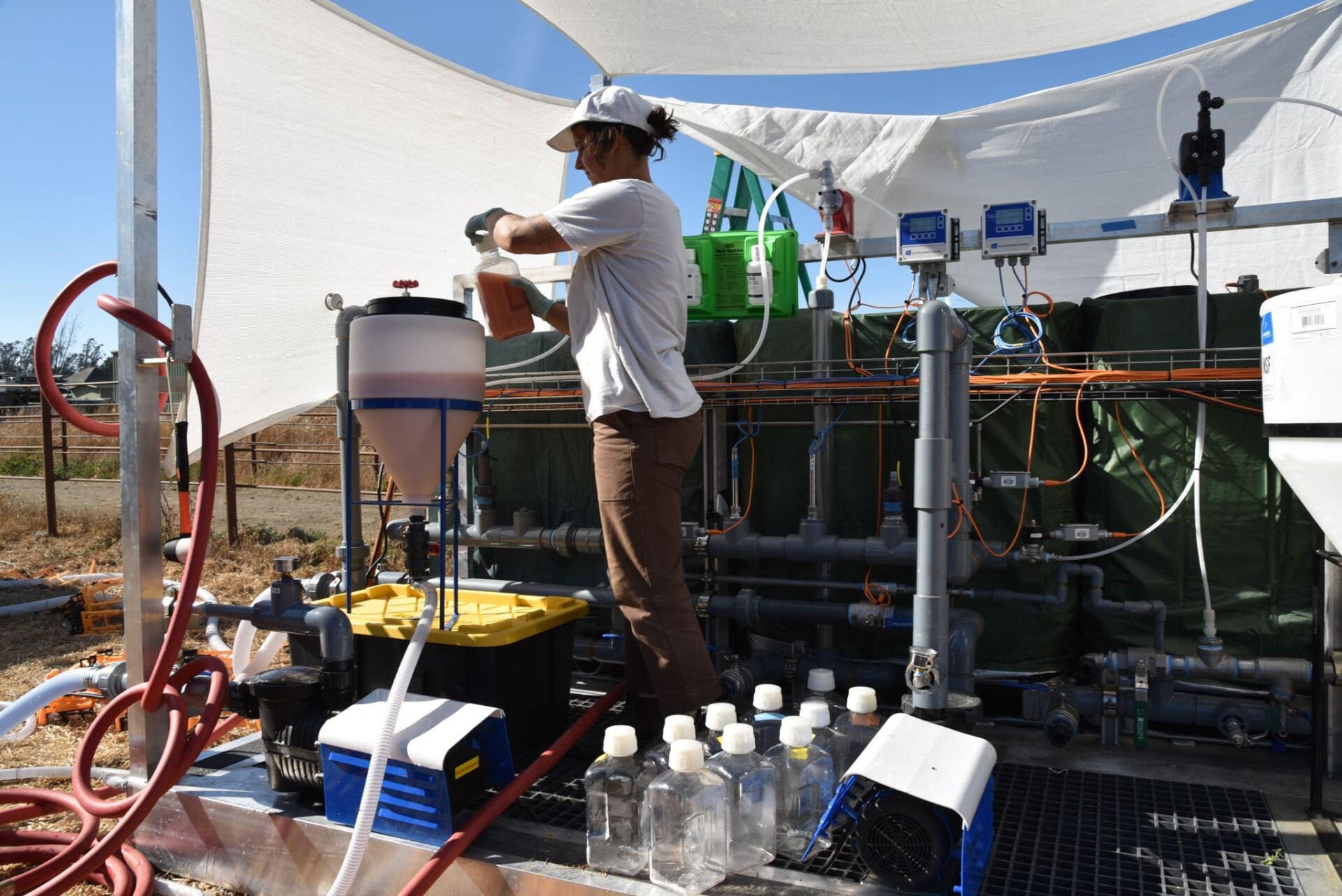
These non-GMO bugs—which San Mateo, California-based Windfall Bio has adapted for industrial use via continuous evolution—are supplied to farmers or landfill sites, who put them in tanks, pipe in biogas, and end up with nitrogen-rich fertilizer.
At landfill sites, which produce far more methane, the tanks contain liquid. The contents can then be shipped as a liquid fertilizer to local farms or dried and pelletized. Windfall Bio commits to offtake agreements, guaranteeing to buy the fertilizer produced at a fixed price. It then works with distributors such as Wilbur Ellis to get the product (FOUNDATION) to farmers.
At dairy farms, farmers typically position a tank next to a dairy barn, anaerobic digester or covered manure lagoon, load it with some compost or biochar and then add the Windfall’s microbes. The enriched compost/biochar can then be spread on their land (dairy farmers often grow crops such as alfalfa to feed their cattle), enabling them to cut fertilizer bills, claims Silverman.
“Now landfill owners can make more money from their gas and farmers have a cheaper, better, local source of fertilizer.”
As for monetizing methane reduction itself, he says, some customers are interested in generating carbon credits, but Windfall is not banking on that to build a business. “If there is a carbon credit available, that basically just increases the profitability of the system.”
Easy on-site integration
The system is easy to set up and does not require partners to invest in pricey new kit, claims Silverman, who says Windfall has raised $37 million from backers including Prelude Ventures and Amazon’s Climate Pledge Fund and is now raising a Series B round.
“You just need a container that holds the microbes and makes sure they have contact with the methane. So on a dairy farm, the reactor can be a big plastic tub full of compost or biochar. We’re not talking about multi-million-dollar steel reactors.
“If they have a manure lagoon, they need to put a cover over the lagoon and just add a pipe and a blower to push the gas into the container.”
He adds: “Compost or biochar work well [to seed the microbes on]. It’s a surface area versus flow rate question. One of the things we’ve heard from a lot of producers is that biochar has lots of carbon, but no nitrogen, so most farmers don’t really value it as a soil amendment. We are adding nitrogen to the biochar so the farmer has a reason to put it on the field.”
In a landfill site, he says, “You don’t want to truck compost or biochar into a tank, so in those cases, we grow the cells in liquid to produce our FOUNDATION fertilizer, which is more concentrated.”
In the on-farm scenario, Windfall Bio provides a monitoring service, which tells farmers when they need to harvest the material from the tank. In the landfill scenario, it operates a continuous process, he says. “We are feeding the gas in and then harvesting continuously.” Windfall is now fine-tuning the formulation to ensure it doesn’t clog irrigation pipes.
According to Windfall, the water-soluble fertilizer:
- Is locally produced and has lower sodium content than soy protein hydrolysates.
- Delivers fast-acting and slow-release nitrogen with high nitrogen use efficiency and reduced runoff and groundwater penetration vs synthetic fertilizers.
- Is pathogen-free, a key advantage over animal-derived blood or feather meal.
- Is OMRI Listed for organic use under USDA National Organic Program standards.
- Improves plants’ stress tolerance.
The IP stack
The microbes, which are produced by co-manufacturers, can be shipped as dry powder that can be rehydrated on site, or in liquid form, much like baker’s yeast, says Silverman. “They’re pretty robust. We’ve shown stability past 50 degrees celsius and we’ve shown that they can be frozen and thawed.”
From an IP perspective, he says, “You can’t patent naturally occurring microbes, but we have patents on the proprietary consortia of microbes that we use along with the method of putting them into a reactor system and using it to capture methane and turn it into fertilizer. We also have patents around the end product and its uses.”
The market opportunity
According to Silverman, who founded Windfall in 2022 with Carla Risso, Ph.D, and Louis Stenmark: “We have had a large outpouring of customer interest globally. Everyone would like to make money from waste methane. Billions of cubic meters of methane are being flared or vented every year and 95% of people [that produce it] can’t do anything [profitable] with it.”
Windfall has recently announced a partnership with Sunshine Canyon landfill in Southern California and has been working with several other partners that have not yet been named, he says. “We’re also working on a large waste management project we should be ready to announce relatively soon.”
On the farming side, Windfall has recently completed a successful pilot with Straus Family Creamery, which says it is now “evaluating further opportunities to deploy this technology throughout our network of organic dairy farm suppliers.”
Initially, Windfall Bio is aiming to enter the market at price parity with competitive products, says Silverman. “But over time, as the performance is proven to the farmers, we expect the market will pay a premium. Not a green premium, no one will pay for that, but a performance premium.”
Further reading:
Nitricity bags $50m to meet surging demand for organic fertilizer from upcycled almond shells
Bluemethane deploys first production-scale methane-capture unit at biogas plant