California-based Gateway Health Alliances (GHA) has unveiled new human clinical data showing that two botanical extracts known for their metabolic health benefits boost the activity of “satiety hormone” GLP-1.
Dyglomera (a standardized extract of African spice fruit D. glomerata) and CQR-300 (a standardized extract of the succulent Cissus quadrangularis) have been shown in other human studies to improve appetite regulation, body composition, and metabolic health.
However, the latest study suggests inhibition of DPP-4—an enzyme that rapidly degrades GLP-1 in the body—as a key mechanism of action, complementing earlier research showing the botanicals’ effects on other hormones including leptin, adiponectin, and insulin that are also associated with appetite regulation.
Why it matters
While blockbuster GLP-1 drugs such as Ozempic and Wegovy are disrupting the weight loss market, many people cannot access, afford or tolerate them.
As a result, a flurry of “natural” alternatives has emerged, from Akkermansia Muciniphila, a bacterium claimed by supplement brand Pendulum to increase GLP-1 production, to Supergut, which has a blend of resistant starches and prebiotic fibers for “GLP-1 daily support.” Pendulum cites a study showing Akkermansia increased GLP-1 production in mice on a high-fat diet, while Supergut has a human study showing improved glycemic control and a small reduction in bodyweight in type 2 diabetics, although it didn’t measure GLP-1.
Other startups such as Lembas and Evolv, meanwhile, have developed peptides that activate GLP-1 receptors. Both have conducted animal studies and are progressing onto human clinical work,
However, few ingredients in this space have much human clinical data behind them—yet, GHA president Shil Kothari told AgFunderNews.
“I’m sure a lot more research will come out soon but I think we’re the only ones currently showing DPP-4 modulating activity in our field, and the interest has been quite overwhelming.”
DPP-4 inhibition
The body naturally produces GLP-1 and other hormones that regulate satiety. However, the effects are short-lived as they are rapidly degraded by an enzyme called DPP-4 (dipeptidyl peptidase-4).
GLP-1 receptor agonist drugs such as semaglutide—taken weekly—mimic GLP-1 but are administered in very high amounts and modified to resist breakdown by DPP-4. This enables them to linger in the body and activate GLP-1 receptors for days at a time, creating a much more powerful check on hunger.
Other drugs such as sitagliptin (a DPP-4 inhibitor) work by binding to the enzyme so it can’t degrade GLP-1.
GHA’s standardized extracts of the botanicals D. glomerata (DGE) and Cissus quadrangularis (CQE) are designed for daily use, and appear to inhibit DPP-4 activity, thereby increasing the amount of GLP-1 circulating in the blood, said Kothari. But they also impact other mechanisms that could increase GLP-1 production, he said.
Study design
In a double-blinded, placebo-controlled 16-week study just published in Medicina, a peer-reviewed, open-access journal from MDPI, 248 overweight and obese adults (BMI: 25-34.9) were divided into four groups. Each consumed one capsule daily with water, 30 minutes before breakfast.
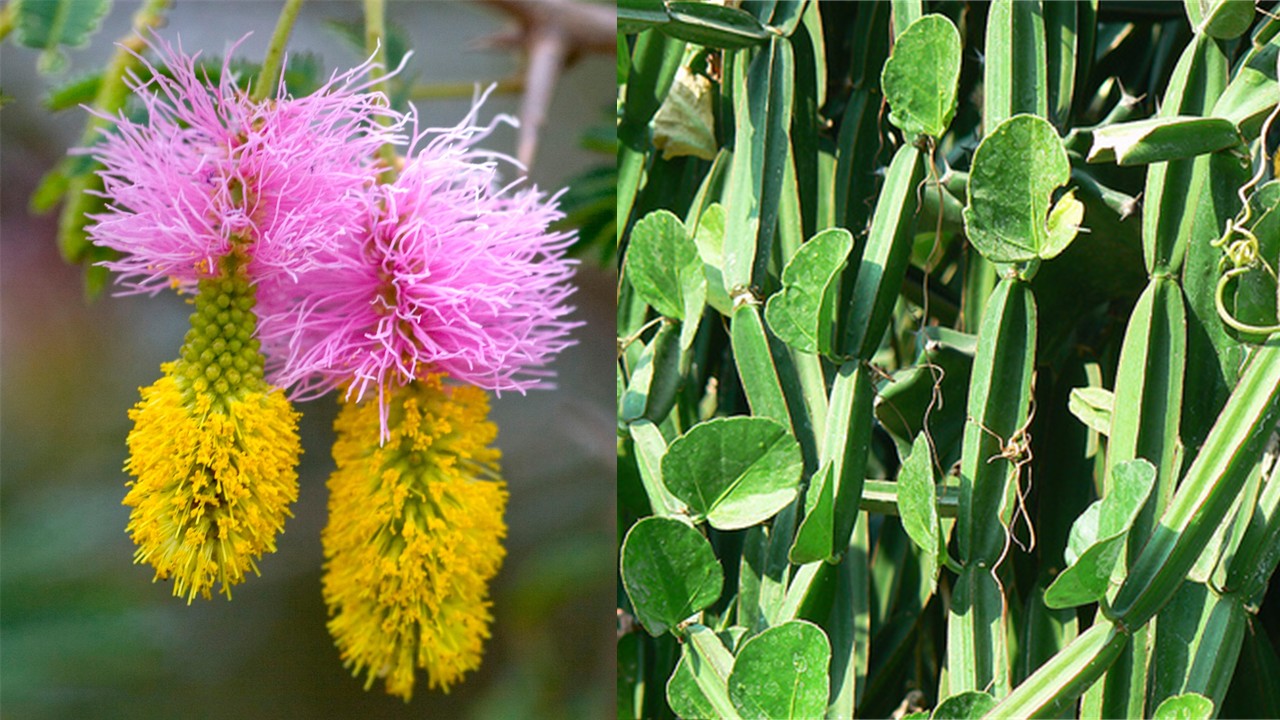
Group 1 – Daily capsule containing 400mg of Dyglomera, a standardized extract of African spice fruit Dichrostachys glomerata (DGE).
Group 2 – Daily capsule containing 300mg of CQR-300, a standardized extract of the succulent Cissus quadrangularis (CQE).
Group 3 – Daily capsule containing Rybelsus, the new ingestible version of semaglutide supplied by drug company Novo Nordisk.
Group 4 – Daily capsule containing dextrin (placebo).
Researchers led by Dr. Julius Enyong Oben, Professor of Nutritional Biochemistry at the University of Yaoundé in Cameroon, measured changes in GLP-1 levels and the activity of DPP-4 in the blood along with body composition, caloric intake, satiety response, fasting glucose levels, inflammatory markers, and lipid profiles.
Study findings
Those receiving DGE or CQE displayed notable elevations in circulating GLP-1 three hours after meals and significant reductions in DPP-4 activity compared with placebo, said Kothari. They also exhibited clinically significant improvements in body weight, body fat, energy intake, and satiety, coupled with reductions in fasting glucose.
👉 Mean GLP-1 levels at three hours postprandial (after meals) at 16-weeks: DGE (+38.6 picograms/milliliter (pg/mL), CQE (in the +42.2 pg/mL), semaglutide (+46.8 pg/mL), placebo (+4.7 pg/mL).
👉 DPP-4 enzymatic activity vs baseline over 16 weeks: DGE (−15.3%), CQE (−17.8%), semaglutide (−23.5%), placebo (−2.9%)
👉 Body weight after 16 weeks: DGE (−4.3 kg), CQE (−4.7 kg), semaglutide (−4.8 kg), placebo group (−0.7 kg).
👉 Daily calorie intake: DGE (−470.2 cals/day), CQE (−513.8 cals/day), semaglutide (550 cals/day), placebo (−92 kcal/day).
According to the paper: “Beyond incretin modulation [the GLP-1/DPP-4 effects], these extracts may directly influence adipose tissue browning, lipid oxidation, and anti-inflammatory activity.”
The authors note, however, that the study was not set up to formally ask—or statistically answer—the question: “Are these botanicals as effective as semaglutide?” They also stress that they compared fixed doses of herbal extracts to a maximally effective dose of semaglutide, preventing a direct pharmacological comparison of the intrinsic efficacy of the compounds.
“Semaglutide was used as a positive control of an already known mechanism of action and not to show if the botanicals were more or less effective,” said Kothari.
It is also unclear whether the effects of the botanicals would be sustained beyond 16 weeks, although that can also be an issue with drugs, noted Kothari: “With weight management things always start to plateau at some point, whether that’s with drugs or [botanicals], but we are looking at longer-term studies.”
Pill fatigue
While most of GHA’s customers are in the dietary supplements market, GHA has put DGE and CQE through flash pasteurization and freeze thaw studies showing their stability in a potentially broader range of applications, said Kothari.
“Sales are mostly going to come from the capsule and tablet market, but that trend is changing,” said Kothari, who said both ingredients were patented and self-affirmed as GRAS [Generally Recognized as Safe]. “We see more interest in stick packs and sachets, shots or formulations that you can squeeze into your mouth as pill fatigue is a big issue.”
CQE is already used in well-known brands such as Estroven (for menopause relief) but is gaining traction in weight management products in several markets including South Korea, said Kothari, who said the new data round GLP-1 would help to raise its profile.
He added: “The mechanisms of CQE and DGE are separate so there could be some synergy if you combine the two, but we don’t know that. Right now, our customers use them in a wide variety of formulations either as single ingredients or as part of their own proprietary formulas.”
What can supplement brands say about GLP-1 without legal headaches?
Firms in functional foods and supplements have to tread carefully so as not to make drug-like claims or to compare their products to pharmaceuticals, even if they have human clinical data to back them up, with claims around rapid weight loss proving particularly problematic.
However, anything referencing GLP-1 tends to attract a lot of interest, said Kothari.
While the FDA sent a warning letter to one company citing “the science of GLP-1” in marketing materials in late 2024, it has not published any official guidance on how brands may or may not talk about GLP-1 effects. That said, some high-profile brands such as Supergut have recently adjusted their marketing out of an abundance of caution, with the firm’s flagship ‘GLP-1 booster‘ product now called “GLP-1 Daily Support.”
“The FDA has not said anything with regards to that [using the term GLP-1 on foods and supplements] as of yet as it’s relatively new,” said Kothari. “I think you can make claims about supporting healthy GLP-1 activity or helping support the body’s natural GLP-1 signaling, for example.”
Further reading:
🎥 Tufts MD on GLP-1 and the protein obsession: ‘I worry we might be missing the mark’
Evolv launches peptide that engages GLP-1 receptors as new ‘biomimetics’ category emerges

Sign up for our weekly newsletter.