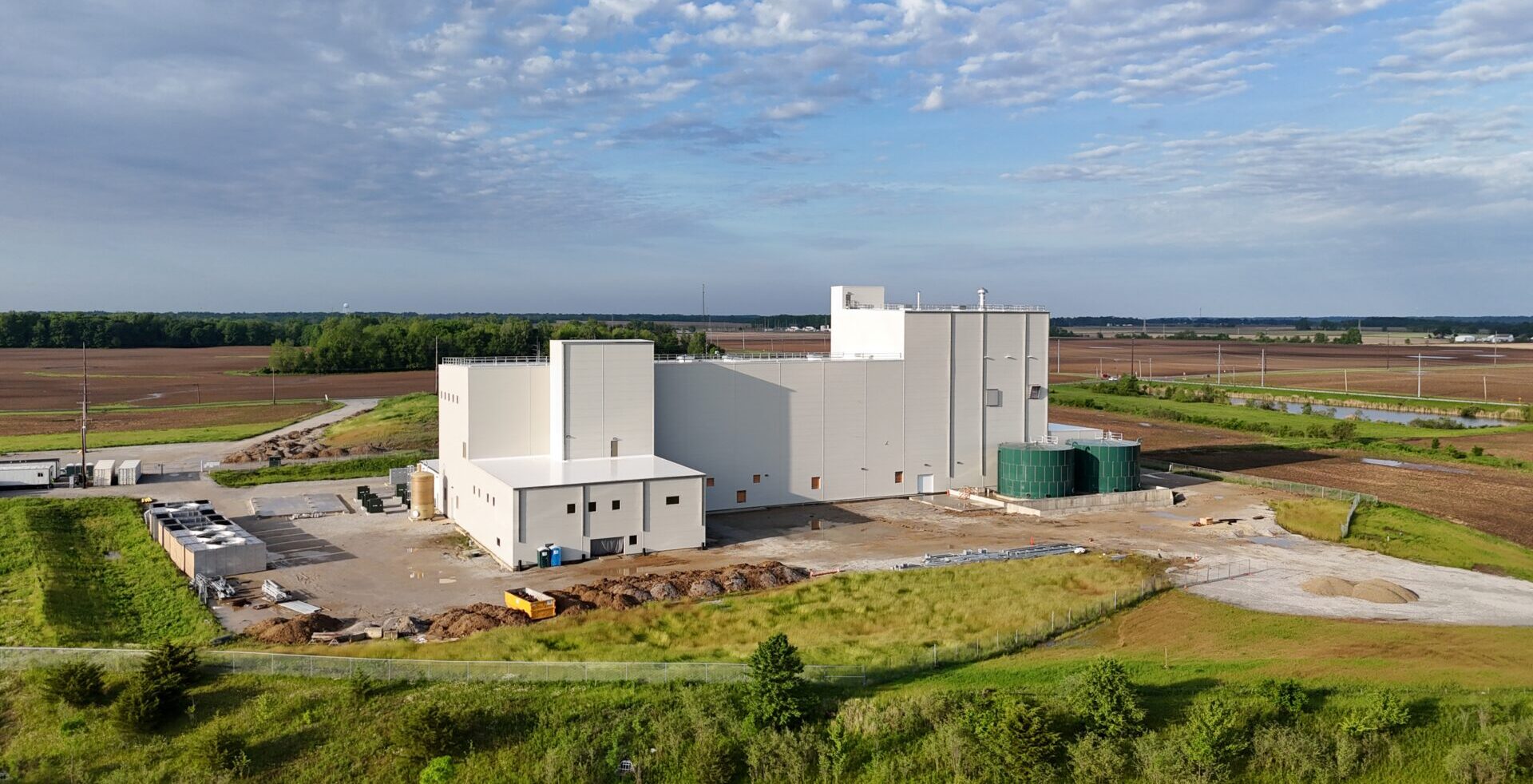
Liberation Bioindustries—a contract manufacturer building a state-of-the-art biomanufacturing facility in Richmond Indiana—has paused construction again as it seeks additional funding to complete the 600,000-liter site.
The purpose-built site, which was originally set to become operational by the end of 2024, is approximately 75% complete and on pause as the firm seeks the funds to take it over the finish line.
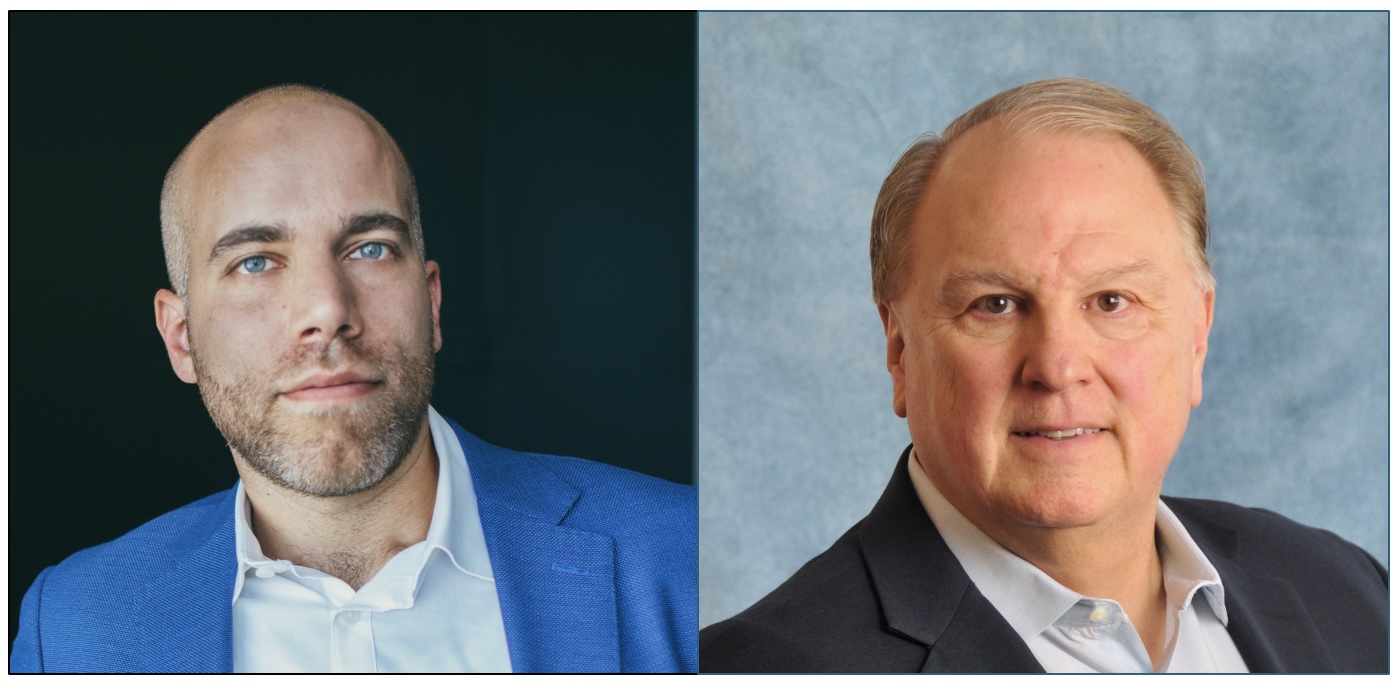
Mark Warner, who spearheaded the project, is stepping back from his full-time CTO role and transitioning into a fractional CTO role in the near term. But this “should not be interpreted as a loss of confidence in Liberation Bio or the Richmond facility,” he told industry stakeholders in a recent email seen by AgFunderNews.
“Quite the opposite. I remain firmly convinced that the industry needs assets like Richmond and that the long-term demand for commercial-scale biomanufacturing infrastructure will continue to grow. The financing and timing challenges are real, but so is the underlying need.”
He added: “The team we have built is exceptional. The fact that the project remains in strong condition, on budget, and positioned for success despite the challenges encountered along the way is a direct reflection of their capability, professionalism, and perseverance.”
The broken middle
Etan Bendheim—who moved from the role of chief business officer to CEO in January—told AgFunderNews that there is “qualified stated interest for well over 200% of the available capacity” at the site, but says the firm still needs to raise a “substantial” sum to complete the project.
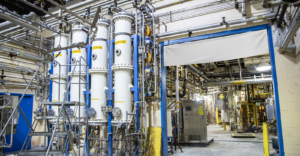
“There’s no major equipment that needs to be brought in now. We have the fermenters and the DSP [downstream processing equipment], so it’s more the finishing touches, electricity, plumbing, controls and so on that we need to complete.”
To date, Liberation Bioindustries has raised “$70-80 million in equity,” plus a “large equipment financing package,” said Bendheim, who said the project is too capital intensive for classic venture capital but not yet generating the revenues required for traditional project finance.
“First of a kind infrastructure in this kind of capital environment is genuinely hard, but at the same time, my inbox is full of inbound interest of companies needing what we’re building.”
There is no hard deadline by which time funds must be secured, although the company does not have unlimited cash, he said. However, existing investors remain supportive while the team works to find a financing solution.
Chicken and egg situation
The central challenge is that customers want certainty on when the facility will be operational before making firm commitments, while capital providers want firmer commitments before signing checks: a classic chicken and egg situation, said Bendheim.
“Customers are very interested, but they’re cautious about committing fully to a facility that doesn’t yet have an operating date, while capital providers want more certainty on the commercial side, and those two things are in tension.”
As a result, Liberation Bioindustries is working on bespoke agreements that sit somewhere between non-binding letters of intent (LOI) and take-or-pay contracts, he said.
“This is kind of the exact thing that Mark testified about in front of Senator [Todd] Young’s committee [on small business and entrepreneurship] in April. There’s a structural problem across biotech, across first of a kind infrastructure, one that we had really hoped to try to solve. There’s a saying in project finance that when it comes to first of a kind facilities, everyone wants to be first to be second.
“But we’re working really hard with our customers and our funders and other kind of solutions-oriented folks in the space to see if we can create a solution that meets everyone’s needs.”
State of the art biomanufacturing capacity
The Richmond facility is designed around four 150,000-liter fermenters organized into two independent operating trains. Each 300,000-liter train has its own downstream processing train and can run a wide variety of organisms producing proteins, sweeteners, colors, and other ingredients.
While new capacity in China, India, or Europe has come online recently, a dedicated US facility for precision fermentation remains compelling, claimed Bendheim. “We don’t believe that the competitive set is the thing that’s holding us back.”
Bendheim declined to name prospective customers beyond Dutch dairy protein specialist Vivici but said Liberation Bioindustries is talking to a broad range of companies from early-stage startups mapping out capacity needs for 2030 to large multinationals looking for near-term overflow capacity.
He added: “The way through is finding capital partners who understand that an LOI may not be worth the paper it’s printed on but a take or pay contract is not achievable, and so how do we find that middle ground?”
Further reading:
Amyris CEO on the post-bankruptcy re-boot: ‘We’re a drastically different company’
Saku Biosciences bets on tiny “PicoShells” to solve a big biomanufacturing problem
Could ‘chickpea-sized’ biosensors make biomanufacturing more cost competitive?

Sign up for our weekly newsletter.