A commercial court has pronounced the judicial liquidation of French insect agriculture pioneer Ÿnsect following a hearing held earlier this week. The company, once seen as the poster-child for protein production via insect farming, now “calls for the acquisition of assets to continue its mission,” according to an official statement.
Timeline:
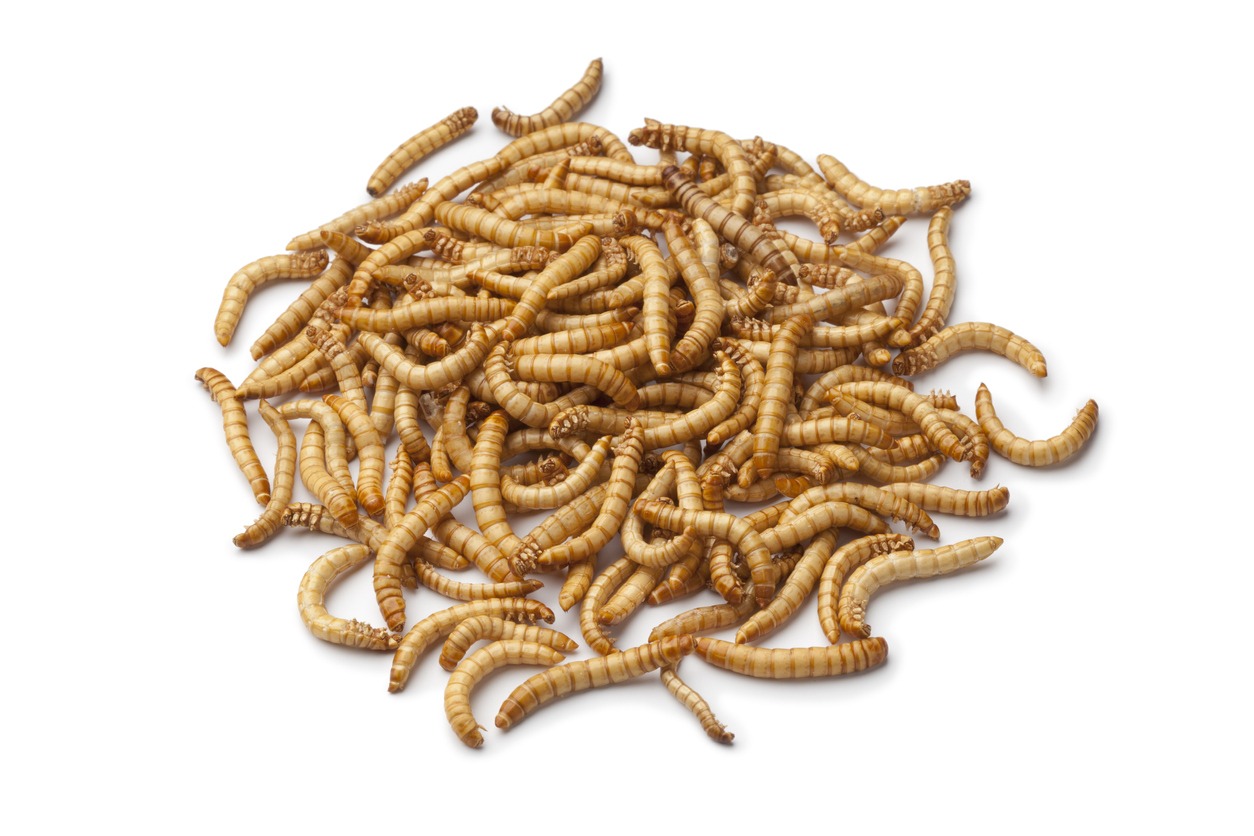
Ÿnsect made a name for itself with an industrial-scale mealworm farming operation producing protein for animal feed, pet food, and fertilizer. It’s last few years have been dotted with struggles:
- In 2023 the company conducted layoffs as part of a wider strategy shift away from feed to the higher-value pet food sector.
- Despite raising more than $500 million, the company struggled to secure more funding to reach profitability; it sought court protection in 2024 after declaring insolvency.
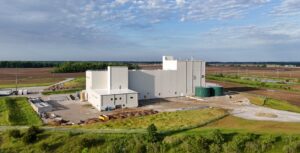
- In April 2025, Ÿnsect’s ex-CEO and cofounder Antoine Hubert acquired the company’s pilot facility near Dole, France via his new venture Keprea.
- In September 2025, the court placed the company under an observation period. (In French law, this is a legally defined window of time in which a company under court-supervised protection can still operate while considering options for restructuring.)
Ÿnsect said via a statement that it “has been unable to secure the necessary financing for its continuation plan within the required timeframe,” citing “difficulties faced by startups in climate-related or agricultural sectors in raising funds.”
Ÿnsect will close its industrial-scale facility near Dole. The Keprea facility will continue, with a new focus on producing fertilizers from insect waste.
In a statement, Emmanuel Pinto, president of Ÿnsect, said the company “now has solid technologies and an operational model, even though the required funding could not be secured in time.
“We hope that the significant technical and industrial skills developed by the teams at Ÿnsect, along with the established business relationships, will find productive use and contribute significantly to both Europe’s protein independence and the fight against climate change.”
Zoom out:
Ÿnsect is one among several insect protein startups struggling to survive right now.
- Fellow French insect ag startup Agronutris filed a safeguard procedure earlier in 2025, citing financial difficulties.
- Aspire Food Group sold its Ontario, Canada-based cricket farm a new owner this year after buckling under the pressure of debt.
- South Africa’s Inseco ceased operations and sold its assets to industry partners.
- Danish firm ENORM was declared bankrupt this year after spending six months in a court-supervised restructuring process.
“This case and the many other examples of struggling insect businesses reveal structural problems affecting the entire industry,” Dr. Dustin Crummett, founder and executive director of the Insect Institute, told AgfunderNews.
“Whether for human consumption, where insect acceptability remains low, or for animal feed, where insects cost 2 to 10 times as much as soy or fish meal, the sector struggles to become competitive.”