California-based startup California Cultured has filed a patent covering the production of cocoa butter in plant cell culture, a first for the industry.
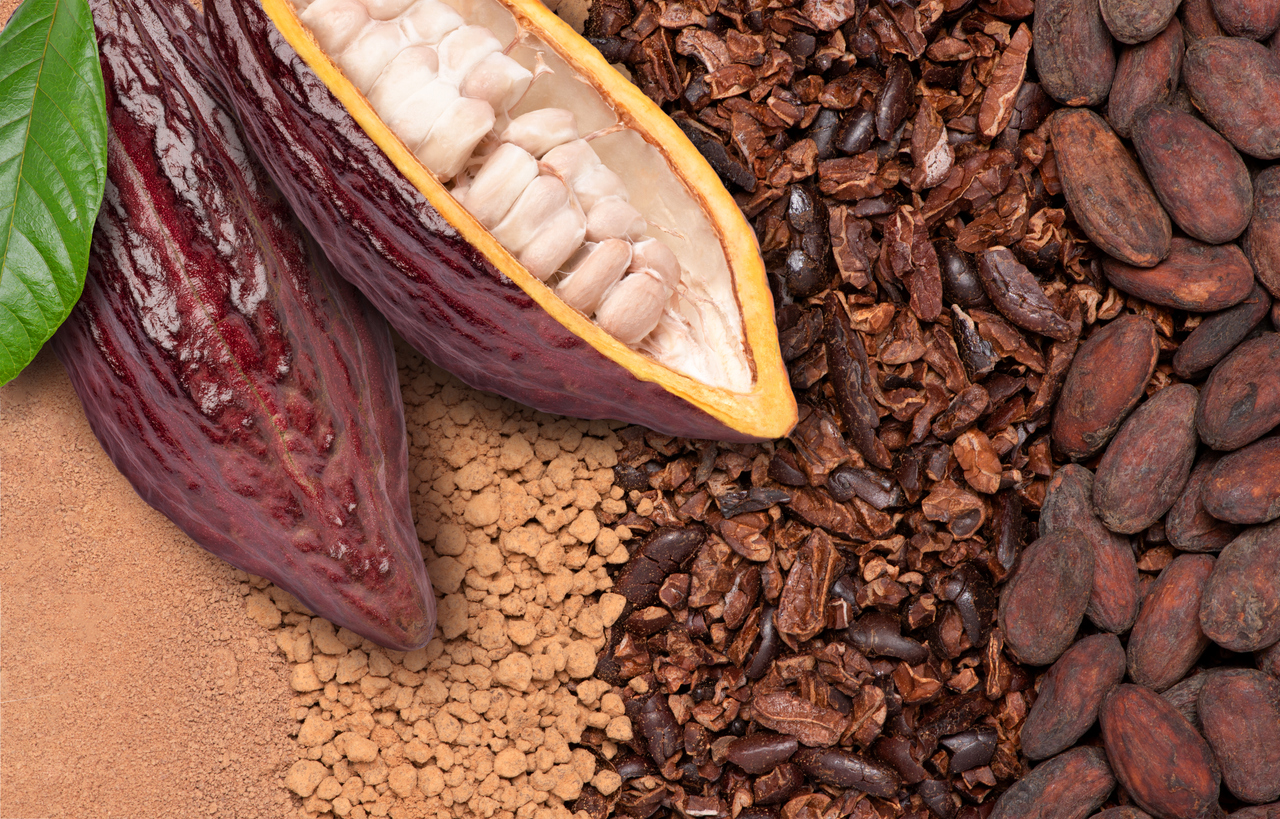
As prices skyrocket and firms struggle with volatility in the cocoa market, food companies have been exploring a range of alternatives for cocoa powder, from plant cell culture to upcycled ag products. But replacing cocoa butter is more challenging, Steve Stearns, head of strategy and business development, told AgFunderNews.
“For years, companies have been trying to replace cocoa butter, and they have used things like hydrolyzed palm fats and shea butter, but they don’t have the same melting profile as cocoa butter and they can have a greasy feel.”
The same applies to firms attempting to precisely replicate the melting properties of cocoa butter with fats produced via microbial fermentation, he claimed. “There are a ton of microbes that can produce triglycerides, but they can’t produce them in the right ratios. There is also a standard of identity for chocolate [in many countries] that requires cocoa butter.”
Up until now, he said, “Every group working in cocoa cell culture has relied on callus cells [mature cells that have been ‘de-differentiated’ to behave more like stem cells]. The challenge with callus cells is fundamental: they can make excellent cocoa powder, but they simply don’t produce fat. Without fat, you can’t replicate the qualities and the melting properties that make real chocolate.”
‘Unlike callus cells, somatic embryos naturally produce high levels of fat’
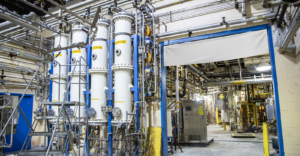
California Cultured, which has a 10-year offtake deal with Japanese chocolate company Meiji, is building a pilot plant in Sacramento to produce cocoa flavanols and powder using callus cells.
But it has also been working under the radar for a couple of years on cocoa butter using somatic embryos, which are formed by re-programming somatic cells (non-reproductive cells) from cacao plant tissue into an embryo-like structure, said Stearns.
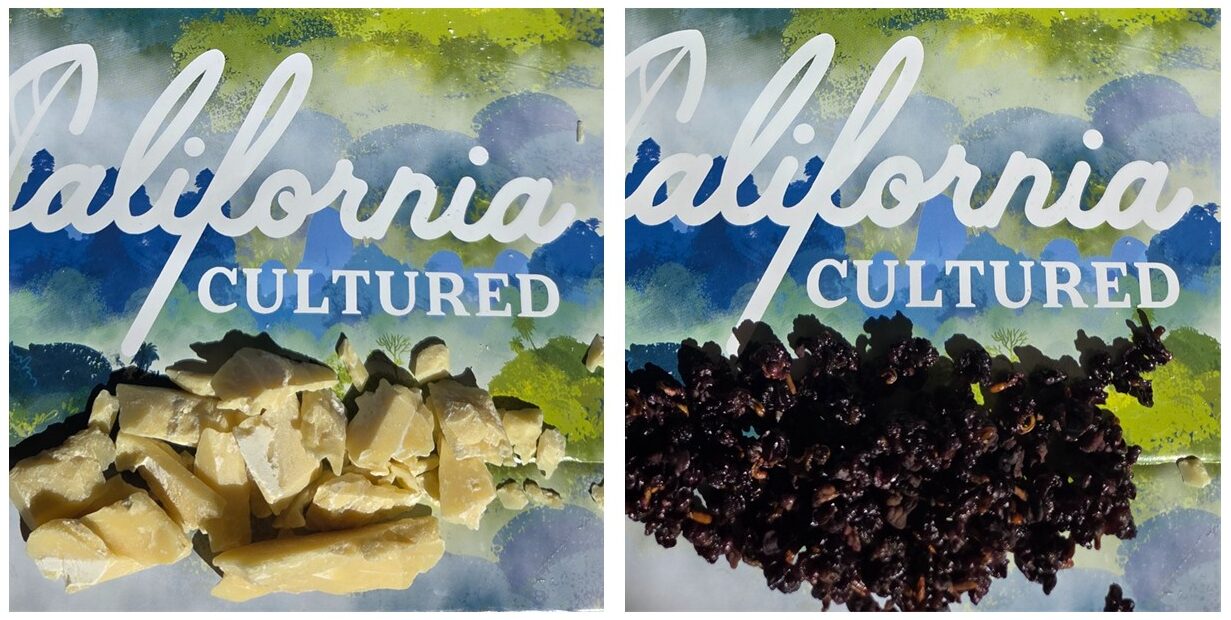
“Unlike callus cells, somatic embryos naturally produce high levels of fat, and more importantly, the critical triglycerides POP, POS, and SOS that define cocoa butter. These triglycerides are what make cocoa butter solid at room temperature but quick to melt in your mouth, the hallmark of real chocolate.
“The other nice thing about somatic embryo cells is that they have a higher baseline of aromatic qualities compared to callus cells, so straight out of the bioreactor, they have an aromatic quality and very cocoa-y aroma, which is not typical for callus cells.”
He added: “We took a broad approach with the patent. It covers all methods of processing chocolate that rely on somatic embryos. This creates a strong moat around the use of cacao somatic embryos for making chocolate products and prevents competitors from moving into this space.”
Broad-based IP protection
According to Stearns, somatic embryos have been used for clonal propagation of whole cacao plants, but not for the production of fats in plant cell culture before.
“[The application of] different types and ratios of plant hormones will determine whether or not these cells turn into callus cells or somatic embryo cells. We kept the somatic embryo talk very quiet until we published the patent. We didn’t even tell investors that were in data rooms. But this patent is very broad-based, so we can create a moat around others trying to use somatic embryos to process into chocolate.”
The patent refers to cells that produce at least 10% lipids. But is that relatively low yield enough to make the unit economics of cocoa butter production via plant cell culture stand up?
According to Stearns: “We need to get to at least 30% cocoa butter moving forward, but we’re also planning to use this particular cell line for multiple applications, of which cocoa butter is one. We also want to make chocolate liquor out of them [a dark paste made from ground roasted cocoa nibs, which contain cocoa solids and cocoa butter].”
He added: “We don’t have plans to use genetic engineering to increase titers; we’re going to continue to push with other methods. There are several levers we can pull.”
Asked whether this is just an R&D project at this stage, he said: “The way we describe it is that the callus cells for flavonols or conventional cocoa powder is our 1.0 technology. And then somatic embryos are the 2.0 technology.
“I think they will be something that we will be moving forward with hopefully by 2027-2028. We’re already starting to get samples out to customer partners, so we’re past the early stages of R&D.”
Watch our recent interview with California Cultured CEO Alan Perlstein at the SynBioBeta conference: