
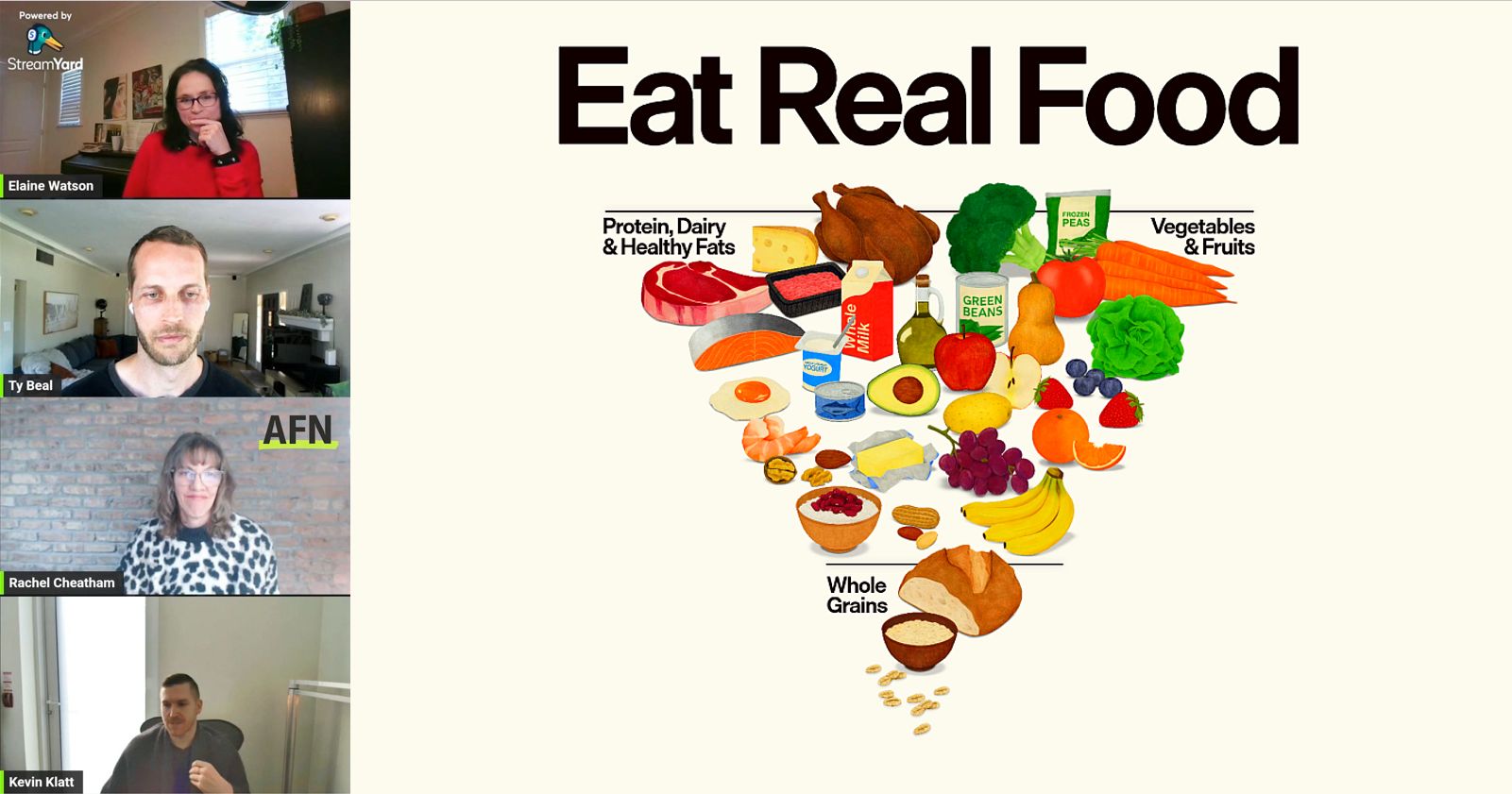
The 2025-30 Dietary Guidelines for Americans were always likely to be contentious. But few expected them to land with quite this level of heat.
Slimmed down to just 10 pages and packaged with a graphic—the inverted food pyramid—dubbed by some dietitians as the ‘Keto Cone” or the “Rancher’s Pyramid,” the new guidelines have ignited debate well beyond the usual circle of nutrition policy wonks.
At the heart of the controversy is a familiar question: how should population-level nutrition advice balance scientific evidence with real-world constraints such as affordability, cultural norms, and time?
The new guidelines also lean heavily into whole, minimally processed foods, and elevate meat and whole milk while retaining long-standing limits on saturated fat. Some experts say this combination sends mixed messages, especially when translated into eye-catching visuals that may not align neatly with the underlying text.
To unpack what’s actually new—versus what’s simply been reframed—AgFunderNews convened a round table with three practitioners that bring deep expertise spanning nutrition science, policy development, and food industry translation:
- Kevin Klatt, PhD, RD, assistant professor at the University of Toronto;
- Ty Beal, PhD, head of food systems data and analytics at the Global Alliance for Improved Nutrition and host of The Ty Beal Show; and
- Rachel Cheatham, PhD, founder of consultancy Foodscape and adjunct assistant professor at Tufts University.
In the conversation, we explore why the guidelines were dramatically shortened, how the scientific review process differed from previous cycles, whether Americans really need more protein, and if so, how best to get it.
We also dig into the fraught territory of fats (from olive oil to butter and beef tallow), the slippery definition of “processed foods,” and explore how all this is being interpreted by the packaged food industry (spoiler alert: expect more protein-packed beverages, ‘no seed oils’ callouts, and higher-fat dairy products).
We also explore whether these guidelines can really move the needle on public health without parallel investment in infrastructure, school meals, and food access. Are we at an inflection point in US nutrition policy, or simply witnessing a louder, more polarized chapter in a long-running debate? Watch the full conversation below.
Further reading:
🎥 Tufts MD on GLP-1 and the protein obsession: ‘I worry we might be missing the mark’

Sign up for our weekly newsletter.