Precision fermentation might make commercial sense for high-value ingredients such as enzymes or lactoferrin. But what about low-value, high-volume ingredients such as casein proteins?
AgFunderNews caught up with Australian startup Cauldron, which believes a continuous (rather than a batch) fermentation process will be key to unlocking the commercial viability of microbial fermentation for a host of ingredients that have historically been sourced from animals or petrochemicals.
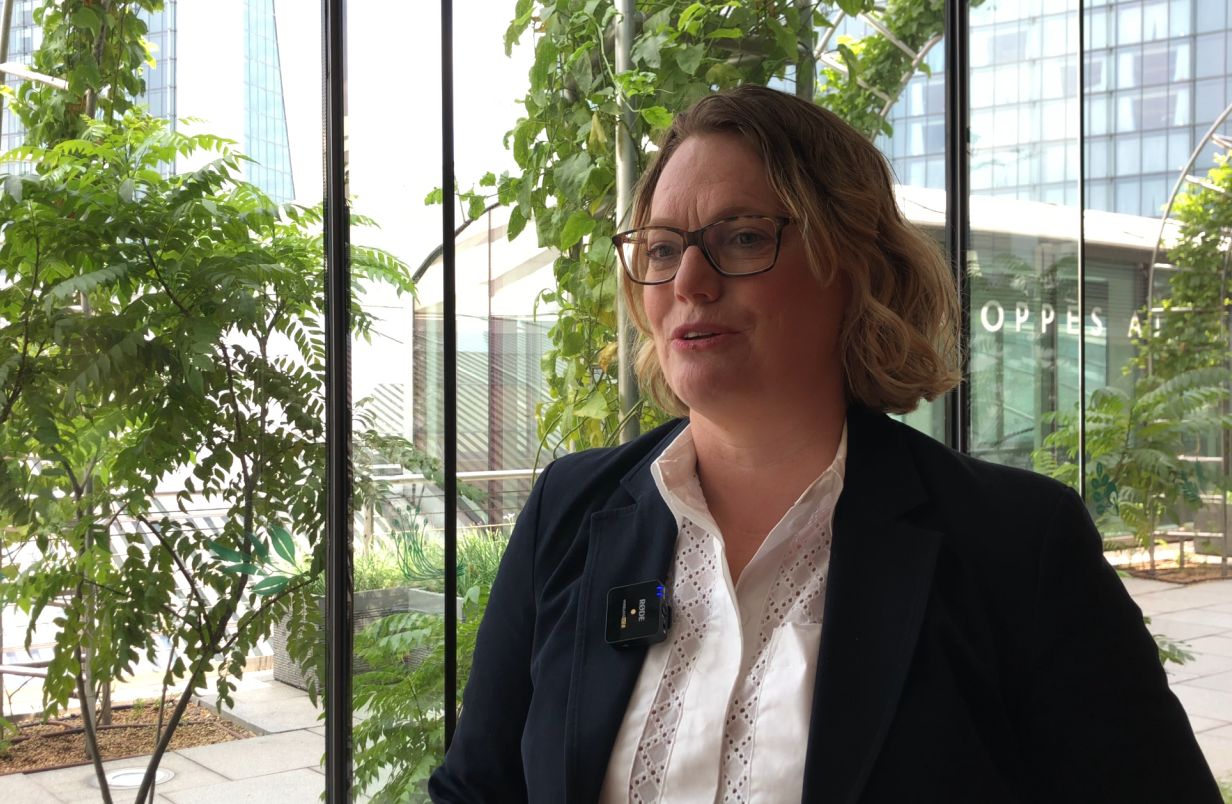
Speaking to us at the Asia-Pacific Agri-Foods Innovation Summit in Singapore last week, founder and CEO Michele Stansfield said: “We can get 20% more protein out of a 100,000-liter continuous line than you would get out of 500,000-liter batch line, and if you look at the difference in capex, that’s huge.
“And that’s the disruptive nature of Cauldron’s technology where you can look at having a dedicated manufacturing facility for less than US$30 million where it might cost you $100 to 200 million to build a 500,000-liter batch fermentation process.
“In the current economy, I don’t think VCs are going to want to raise $200-300 million plants anymore.”
In our conversation, we discussed:
- Cauldron’s plans to build Asia-Pacific’s largest network of “smaller, smarter” precision fermentation facilities as a CDMO (contract development and manufacturing organization).
- The difference between a batch and a continuous process and how to address contamination and genetic drift with the latter process.
- The origins story at Cauldron
- Which kinds of products or processes lend themselves best to a continuous process?
Further reading:

Sign up for our weekly newsletter.