
The first wave of public comments responding to an FDA/USDA request for information (RFI) on defining “ultra-processed foods” is in, and it highlights the challenge facing regulators tasked with nailing down a definition.
The agencies have not yet explained how the definition might be used. However, the RFI notes that a uniform definition would “allow for consistency in research and policy” in the wake of a flurry of definitions emerging from state legislatures, which range from vague definitions such as “industrial formulations of food substances never or rarely used in kitchens” to far more specific ones: “a food or beverage that contains at least one” of a list of 11 food additives.
Meanwhile, voluntary initiatives are also emerging, with high-profile brands including Amy’s Kitchen and Califia Farms working with the Non-UPF Project (led by Megan Westgate, founder of the Non GMO Project) to develop a third-party standard for non-ultra-processed foods verification that will be published in the fall. [Read more about this at FoodNavigator-USA.]
The best-known system for defining degrees of processing is the NOVA system—developed by Brazilian researchers in 2009—which groups products into four categories based on exposure to certain ingredients and industrial processing technologies.
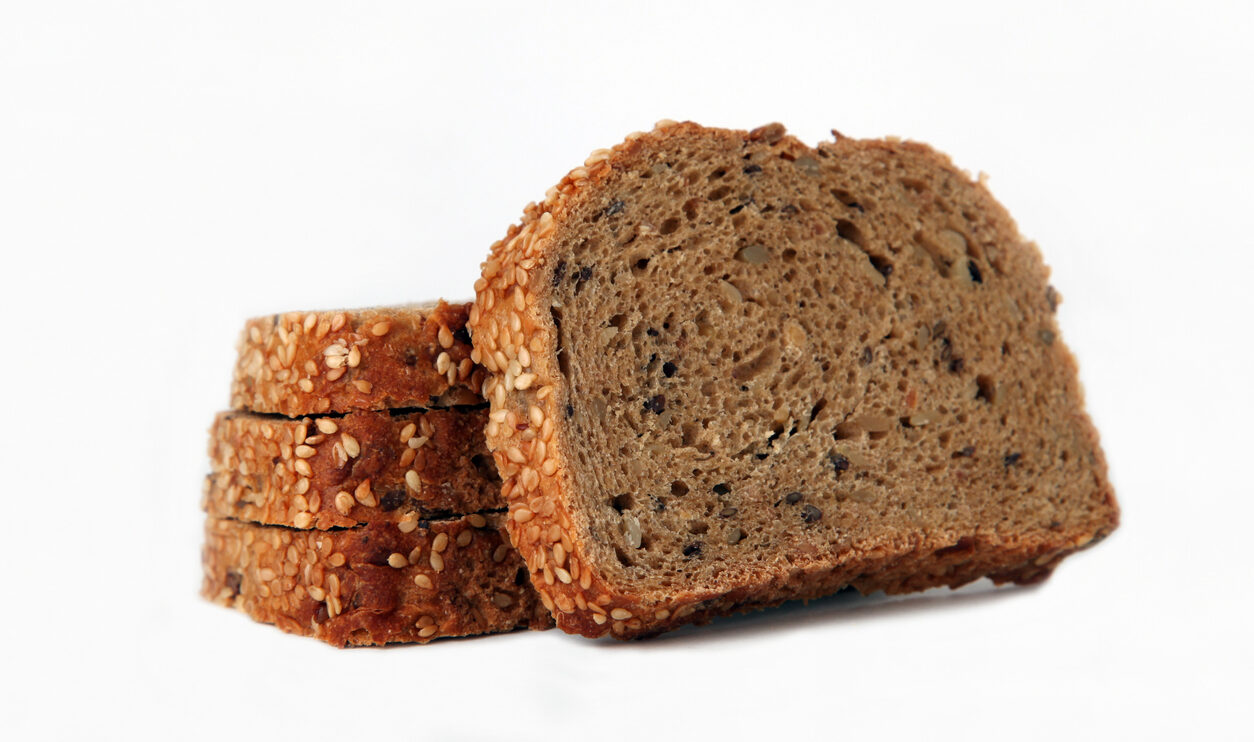
However, critics have voiced concerns over the system’s lack of nuance, which would class whole-grain breakfast cereals with added vitamins, fortified soy milk, whey protein, tofu, and commercially produced whole-wheat sandwich bread in the same “ultra-processed” category as candy, soda, and cookies.
According to the RFI: “Concerns have been raised about the full ability of UPF classification systems to accurately capture the characteristics of UPFs that may impact health.
“On one hand, there is overlap between foods considered to be ultra-processed and foods that are high in added sugars, sodium, and saturated fat. Foods commonly considered to be ultra-processed encompass a broad range of industrially processed foods, such as soft drinks and many packaged snacks.
“On the other hand, foods considered to be ultra-processed may also include foods such as whole grain products or yogurt, which are known to have beneficial effects on health and are recommended as part of healthy dietary patterns. It is important therefore to consider unintended consequences of an overly-inclusive definition of UPFs that could discourage intake of potentially beneficial foods.”
“The American diet has shifted dramatically toward ultra-processed foods (UPFs), leading to nutrient depletion, increased caloric intake, and exposure to harmful additives. Nearly 70% of children’s calories now come from UPFs, contributing to obesity, diabetes, and other chronic conditions. For the purposes of this assessment, UPFs refer broadly to packaged and ready-to-consume products that are formulated for shelf life and/or palatability but are typically high in added sugars, refined grains, unhealthy fats, and sodium and low in fiber and essential nutrients.” MAHA report, May 2025
Barry Popkin: Foods defined as ‘ultra-processed’ should not be permitted to carry ‘healthy’ label
The deadline for comments is September 23, with submissions thus far largely coming from individuals, with most trade associations, health advocacy groups, and large food companies expected to provide more substantive input closer to the deadline.
However, some higher-profile stakeholders have started to weigh in, including Dr. Barry Popkin, a nutrition and obesity researcher who recently co-authored a paper in The Lancet proposing ways to define and identify foods that are both ultra-processed and high in added sugar, salt, or saturated fat.
According to Popkin, the NOVA system “can be implemented using algorithms, such as those used experimentally by global consumer platforms like Open Food Facts, Yuka, and Perfact… However, a key limitation is the potential for legal challenges due to inconsistent ingredient labelling, additives with dual functions, and complexity in monitoring and regulating this.”
An alternative approach is to “identify unhealthy foods as a whole,” says Popkin. “This is done by applying criteria that combine nutrient thresholds established by nutrient profile models… with the presence of easily identifiable UPF markers.
“Some authors have explored artificial intelligence algorithms to systematically identify nutrient content and UPF markers. The most practical example of this hybrid approach is the Pan-American Health Organization (PAHO) nutrient profile model. Already adopted in Mexico, Argentina, and Colombia, the PAHO model combines nutrients thresholds with restrictions on the presence of non-sugar sweeteners and/or caffeine in the ingredients list. Following NOVA, the PAHO approach could be further extended to include other sensory-related additives that are markers of food ultra-processing.”
He added: “If the FDA mandates a warning label identifying UPFs, it is critical they remove the healthful [‘healthy‘] claim that the food industry worked with the FDA to create. A critical need is for all foods identified as UPF that all claims be banned as these claims will confuse individuals and promote intake of unhealthy foods.”
Respondent Mitchell Berger in turn highlights a recent article in the journal Food & Nutrition Research, which assesses multiple alternatives to NOVA including the Siga system, which builds on the NOVA classification but also factors in added salt, sugar and fat.
Kitchen cupboard ingredients
What is striking about most of the comments submitted to the docket thus far, however, is how heavily they rely on words such as “chemicals,” “natural,” “real,” and “junk food,” which themselves are not clearly defined in law.
According to respondent Eric Crawford, for example, “Ingredients should be real food, things that could be found in your kitchen or in the baking isle at most grocery stores,” while Aaron Basinger defines ultra-processed foods as “any food with any number of petroleum derived ingredients.”
Anthony Lauffer defines ultra-processed as “any food-like substance in a plastic wrapper or carboard box with an ingredient list which includes unnatural ingredients,” while Kimberly Alley targets “anything with MSG” and “anything that is sweetened with anything but cane sugar” and Doborah Devney targets “anything not in the perimeter of the grocery store.”
Christopher Perron in turn defines ultra‑processed foods as “foods we would be unable to create on our own in a natural environment,” while Steven Pexton defines them as “industrially formulated products made mostly or entirely from substances extracted from foods (like oils, fats, sugars, starches and proteins), derived from food constituents (like hydrogenated fats and modified starch), or synthesized in laboratories (like flavor enhancers, colorings, emulsifiers, and preservatives).”
‘Foods with low nutritional value’
Holly Hungerford, meanwhile, argues that the FDA and USDA “would be better served by identifying a new term…The FDA and USDA should consider other terminology, like ‘foods with low nutritional value,’ that could meet their goal and encompasses both ultra processed and minimally processed foods that contribute little to positive health outcomes.”
Connie Diekman, in turn, argues that NOVA category 4 (‘ultra-processed’ foods) “fails to look at the nutritional value of foods” and “leads to foods such as flavored yogurt, some whole grain breads and cereals being on the list of things to avoid.”
As a registered dietitian, she says, “Failing to take into account the nutrition in these foods leads to avoidance of foods that can provide significant nutrition and enjoyment. A classification that focuses on nutrient quality and over processing would be more valuable and more healthful.”
Similarly, Dr. Karen Weikel at rare sugar manufacturer Bonumose says firms should not be penalized for replacing sugar with low-glycemic, non-cariogenic alternatives such as allulose and tagatose. “Given the growing perception that UPFs negatively affect health, it would undermine efforts to improve public health if the inclusion of healthy ingredients such as tagatose, allulose, vitamins, and other fortifications were ‘counted against’ a food when determining whether it is a UPF or not.”
However, Ty Beal argues that, “While the NOVA system is not perfect, it represents the best available framework supported by the current body of research. Future scientific research should explore how to differentiate between more or less problematic types of ultra-processed foods.”
According to a comment submitted by the NIH: “Data indicate that the health effects of ultra-processed foods are highly dependent on their nutritional quality. Criteria used to define foods targeted for regulation or other public health efforts must incorporate nutritional attributes in the definition.”
A submission from snack food manufacturer OGO Foods adds: “The UPF label is somewhat of a red herring in that it re-directs consumers’ thinking away from a food’s real nutritional content. Processing isn’t the issue, resulting nutrients are.”
Further reading:
‘Stunning’ MAHA report draws praise and fury: Stated goals undermined by GOP policies, say experts
RFK Jr: ‘He believes in nutrition, but MAHA and MAGA don’t really seem to square’

Sign up for our weekly newsletter.