
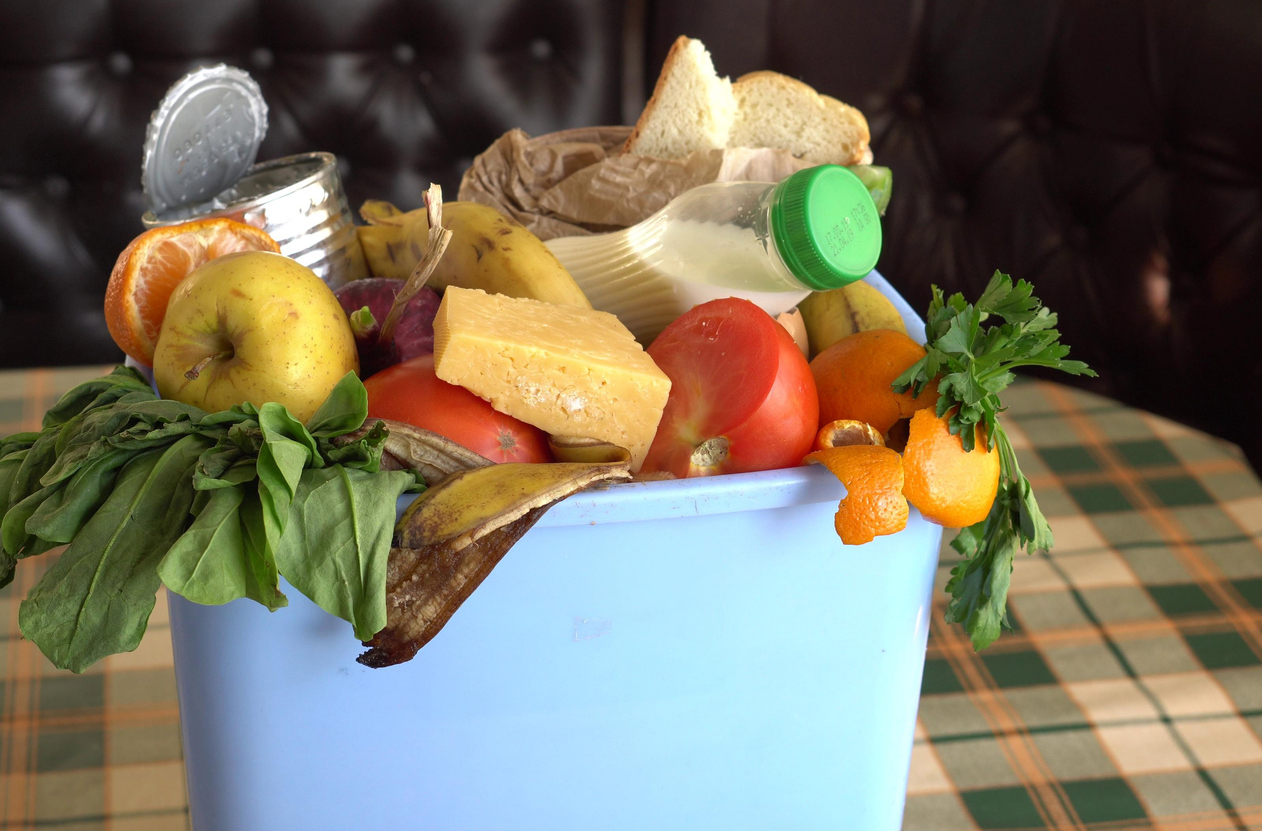
About 320 million pounds of food are expected to go to waste this Thanksgiving—up from 316 million in 2024—according to food systems think tank ReFED. The lost food represents about $550 million in retail value.
Why it matters:
The amount of food going to waste this year represents some 267 million meals that could have gone to people in need, says ReFED.
The numbers comes amid persistent food insecurity and price inflation in the US, signaling continued strain on both consumers and food producers. Food costs roughly 18.2% more as of September 2025 than it did in January 2022.
Uncertainty around SNAP (food stamps) could intensify the impact. Federal judges have ordered the Trump administration to continue SNAP payments using emergency funds, but the ongoing government shutdown threatens to delay disbursements for millions.
ReFED’s survey and analysis is concerned with food waste in the consumer home. However, rising food waste at a time of elevated food prices underscores inefficiencies across the supply chain, from overproduction to consumer behavior, and carries environmental as well as financial implications.
Thanksgiving leftovers by the numbers:
🦃 40% of total holiday food waste comes from turkey
🚫 12% of hosts say they won’t manage leftovers
😐 50% aren’t concerned about waste
🍱 45% plan to send guests home with leftovers
Consumer habits are the dominant driver. Elevated prices are prompting some behavioral shifts, but not enough to offset waste trends. As ReFED told AgFunderNews last year, “decisions to toss food have more to do with laziness/lack of storage/holiday overwhelm rather than logical planning/prepping.”
How to curb waste:
Cost efficiency: 45% of consumers report using leftovers more often; 24% are purchasing more frozen food for shelf stability.
Redistribution: Packaged, nonperishable goods remain the best candidates for food pantries and rescue groups.
Sustainability: Municipal and community composting programs offer a downstream solution as policymakers push for circular food systems.