Terradot—a US-based enhanced rock weathering (ERW) carbon removal company with operations in Brazil—has acquired the assets of fellow US-based startup Eion, which has a patented approach to measuring CO2 removed via ERW on farmland. [Disclosure: AgFunderNews’ parent company AgFunder is an investor in Eion.]
The two combined have carbon removal contracts totaling 400,000+ tons with buyers including Microsoft, Google, and Frontier, representing one of the largest contracted ERW portfolios in the market.
By joining forces with Eion, which recently secured its first carbon removal credits through Puro.earth from part of its 2023 deployment, Terradot will be able to scale more rapidly, positioning itself as a “consolidator in ERW” as the market moves from pilots to large-scale implementation, said CSO Dr. Scott Fendorf.
“Scaling durable carbon removal requires scientific integrity, measurement rigor, and strong real-world data. By bringing Eion’s operating learnings and technical contributions into the Terradot platform, we strengthen the foundation for the most defensible measurement approach in ERW and accelerate our path to scaled, high-quality delivery.”
Eion CEO Ana Pavlovic Hans told AgFunderNews that “While it’s possible to survive, it’s really difficult to grow in a hard market.”
She added: “Scaling ERW takes capital, really specific capabilities, complex financing expertise, all of these elements that individual companies across carbon removal are building out respectively in a way that is really inefficient.
“The more I considered what the platforms of the future will look like in land and carbon, the more this concept of consolidation made sense to me. And I’m happy to be one of the companies going through it because I think it paves the way for others and will ultimately create a more mature, industry and market.”
As part of the deal, Terradot is bringing in Eion’s core team, operating capabilities and deployment dataset, and will integrate its patent portfolio and published MRV (measurement, reporting, and verification) work into its platform.
What is enhanced rock weathering (ERW)?
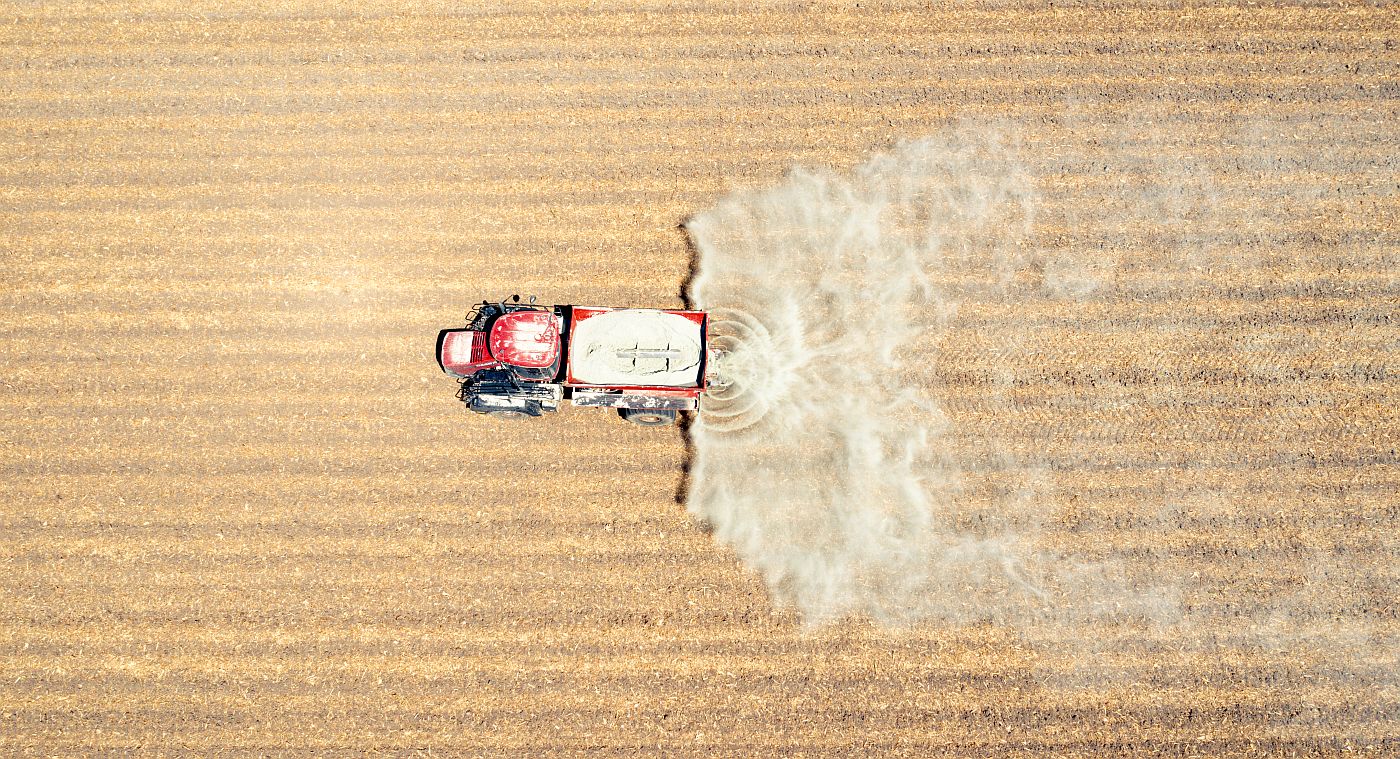
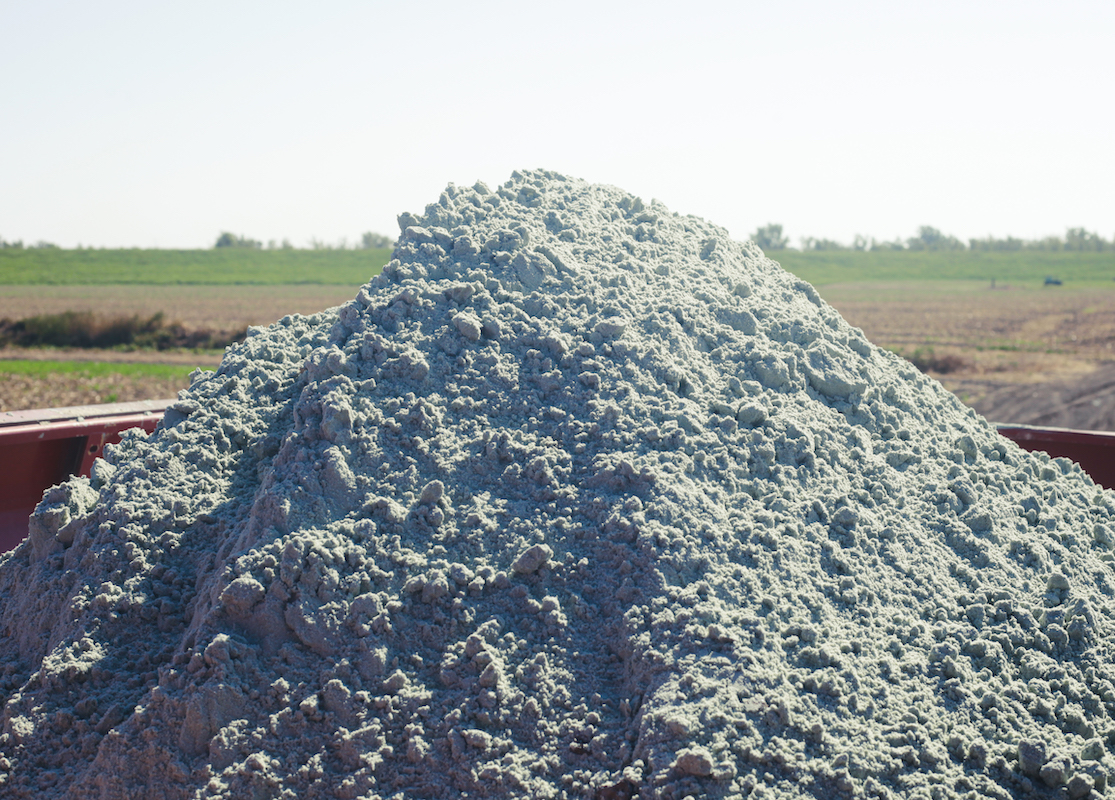
Enhanced rock weathering accelerates a natural geological reaction by spreading crushed silicate rocks on farmland. When they react with rainwater, they chemically bind atmospheric carbon dioxide and convert it into stable bicarbonates that can be stored long-term, while also improving soil quality for agriculture, much like ag lime.
Terradot’s deployments focus on basalt and other abundant volcanic silicate rocks, while Eion has focused on crushed olivine.
Where does ERW fit into the carbon removal hierarchy?
While the temptation for corporations buying carbon removal credits might be to pick the cheapest option, they are now facing far more scrutiny, which is prompting interest in credits from firms that can provide more durable solutions and robust validation.
Buyers can choose from shorter-lived approaches such as soil carbon sequestration and afforestation, which can present reversal risks if soil is tilled or forests are cut down; or more durable/permanent options such as enhanced rock weathering, biochar, or direct air capture, with pricing rising accordingly.
According to Pavlovic Hans: “There is still a lot of demand for ERW coming at us, and movement in the regulated market tells me that ERW will continue to have a role. As always though, we need to mature the industry, deliver, de-risk, repeat, and that will drive more demand, more purchases, and repeat. I think after this down cycle we will see exciting growth in the space.”
Public disclosures tracked by CDR.fyi show multi-year ERW offtake agreements are now commonly measured in the tens of thousands of tons, with some purchases surpassing 100,000 tons, said Terradot. Meanwhile, buyers and financiers are rewarding “platforms that can deliver high-quality carbon removal with defensible MRV and repeatable operations across regions, climates, and seasons.”
However, ERW doesn’t come cheap, and joining forces will help the combined entity access lower-cost capital, said Terradot CFO Rob Parker.
“A larger, diversified portfolio with an operating track record and high-integrity MRV improves bankability and expands access to long-term capital for project development and delivery.”
👉 Terradot — Founded in 2022 by James Kanoff, Sasankh Munukutla, and Dr. Scott Fendorf, Terradot has raised roughly $62 million from backers including [Kleiner Perkins Perkins chairman] John Doerr, Sheryl Sandberg, Google, Microsoft’s Climate Innovation Fund, Cisco, Kleiner Perkins, and Floodgate.
👉 Eion — Founded in 2020 by Dr. Adam Wolf and Dr. Elliot Chang, Eion has raised about $15 million, with backers including AgFunder, Ridgeline Capital, Growmark, Mercator Partners, Overture Partners, and the Exelon Foundation. Wolf (CIO) will “keep a senior science role in the company,” said CEO Pavlovic Hans, who told us that she will “support running the fast growing company and help stand up operations on the ag side as the projects are scaling globally.”