Ag robotics specialist Saga Robotics is doubling down on the US vineyard sector with a new US general manager and additional funding to support its fleet of autonomous ‘bots tackling powdery mildew with UV-C light.
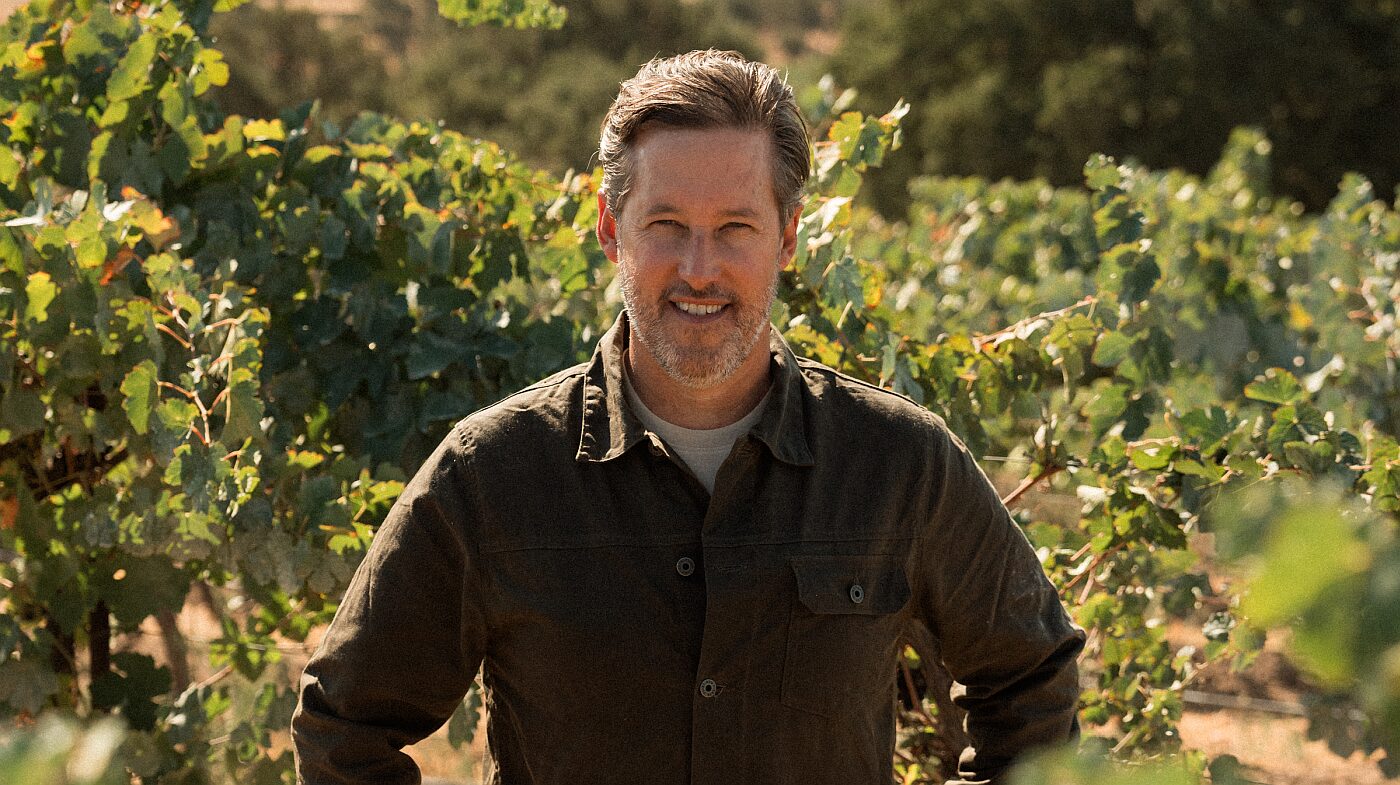
As a supplementary close to its $11.2 million round in 2025, it has secured an undisclosed sum from Xinomavro Ventures, a VC firm dedicated to tech supporting the wine industry, and appointed Caine Thompson—formerly general manager at O’Neill Vintners & Distillers—as its new US general manager, starting Jan 26.
Saga founder Pål Johan From—who previously led US operations—will return to Norway to assume a new role as chief growth officer, leading strategic partnerships, tech development, expansion into new crops and markets, and supporting future fundraising activities. To ensure continuity through the 2026 season, he will remain actively involved in US operations through June.
Tenfold increase in acres under treatment in 2025
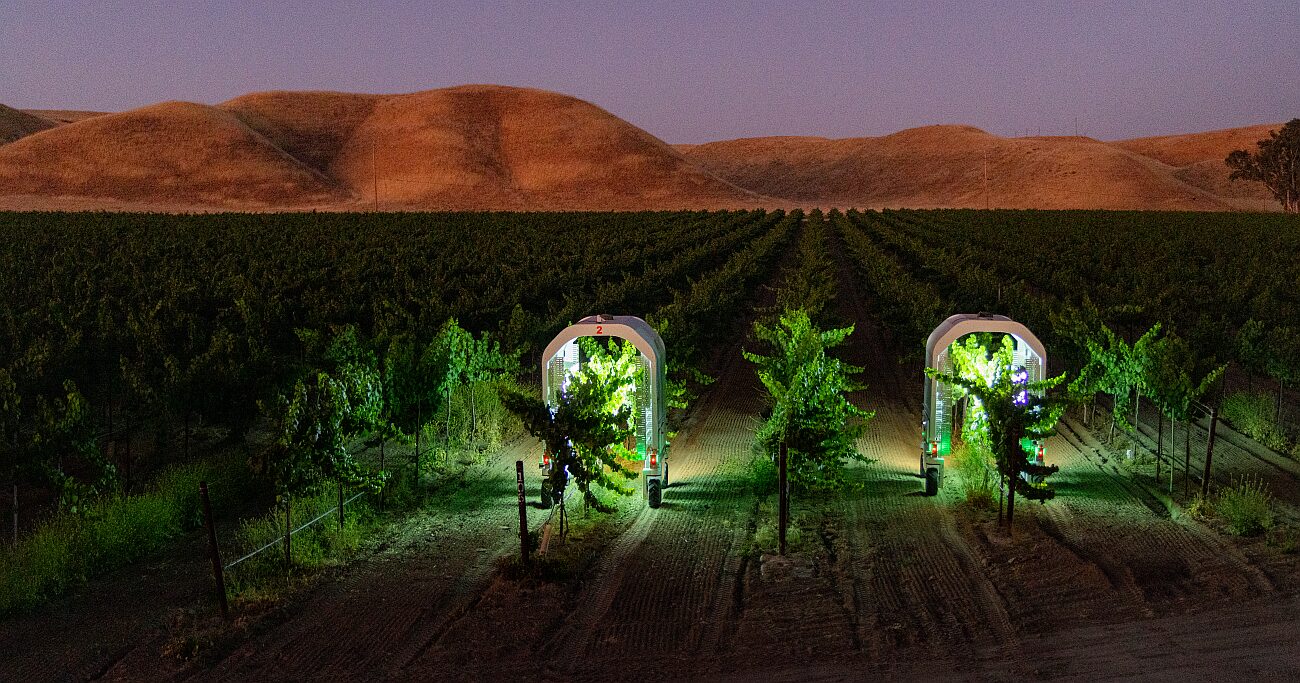
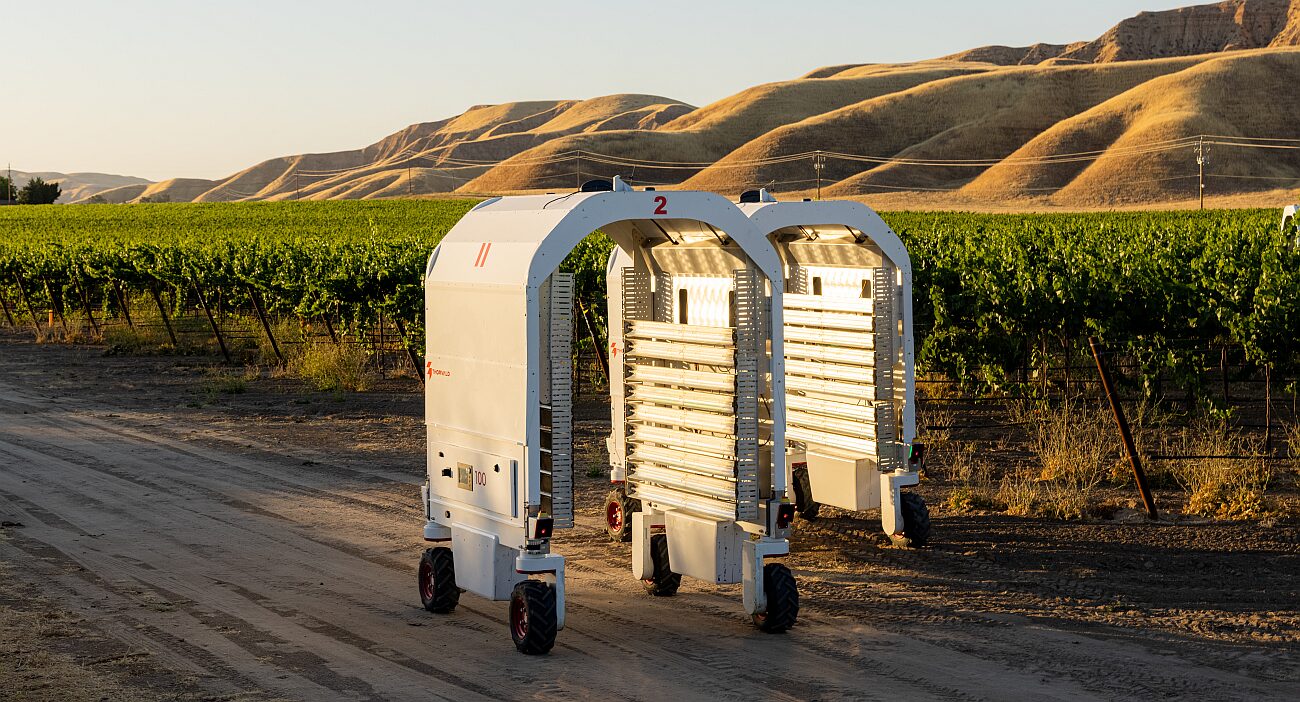
Founded in Norway in 2016 by Dr. Pål Johan From and Dr. Lars Grimstad, Saga Robotics’ Thorvald autonomous platform has built significant traction in the UK tabletop strawberry market and is now ramping up operations in California’s vineyards, where powdery mildew is a growing problem. UV-C light damages the fungus by disrupting DNA replication and cell function, preventing it from growing and reproducing.
During the 2025 California wine grape season, Saga Robotics achieved a 10x increase in acres under treatment and expects to almost triple treated acreage again in 2026.
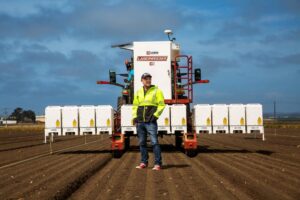
While other players using UV-C for crop protection such as TRIC Robotics have developed larger machines designed for spanning multiple rows of strawberries in open fields, Saga Robotics is focusing on tabletop strawberries in polytunnels and California’s vineyards, which require smaller machines with significant precision.
Like many players in the space it operates a Robots as a Service (RaaS) model, whereby growers pay a fee per acre to treat their crops rather than buying the ‘bots outright.
“Saga Robotics is addressing one of the wine industry’s most pressing challenges with a solution that is both practical and transformative. Its ability to scale autonomous UV-C treatment in commercial vineyards positions it as a category leader.” Guillaume De Pracomtal, founding partner, Xinomavro
‘A rare technological breakthrough’
Given existing fungicides to tackle powdery mildew are becoming less effective, growers often see a return on their investment through higher yields (as UV-C is more effective) as well as reduced labor costs.
But they can also help winegrowers move away from synthetic chemicals, said Thompson, who led sustainability initiatives for O’Neill Vintners and Distillers.
“To accelerate sustainable and regenerative viticulture further, chemical free winegrowing is the holy grail,” he told AgFunderNews. “The Thorvald UV-C robot is a rare technological breakthrough that is a solution to this problem. This is lowering the barrier to entry into sustainable, organic and regenerative winegrowing by eliminating the need for synthetic chemicals, which is transforming winegrowing.”
He added: “There is a mindset shift required for winegrowers as there are two major changes to ‘normal’ vineyard operations, one being using autonomous machines instead of tractors and the second being the use of UVC light to control diseases instead of chemicals. What lowers the risk for growers is that there is independent third party research showing Thorvald’s effectiveness against diseases vs using chemicals, combined with a number of growers that have been successfully using the technology that have rapidly increased area being treated.”
Saga’s latest machines are also kitted out with cameras to collect data enabling growers to detect disease and predict yields, generating further savings, said Thompson.
Building trust… and then traction
From said the firm was steadily building trust in California’s wine sector: “Typically we might start with 10-20 hectares in season one, and then maybe we do half the farm in season two, and then the entire farm in season three. And now that the word in the industry is out that the performance in general is better than what you obtain with chemicals, I think we can scale up faster.
“It also helps that we’ve worked with the best growers in the UK, and that’s been a very strategic approach. Let’s work with the biggest and the best, with people that other growers look to and have confidence in. If these guys are doing it, then we should probably be doing it as well.”
Thompson added: “In the UK we plan to treat 30% of the [polytunnel tabletop] strawberry area in the 2026 growing season. On the viticulture side, we see opportunity in many wine producing regions around the world to advance chemical free farming through robotics and UVC, where powdery mildew and downy mildew are major issues.”
Further reading:
🎥‘Like a Roomba for vineyards…’ Bien Nacido puts Saga Robotics’ UV-C robots to the test
From bulky bulbs to tiny chips: Uviquity emerges from stealth with far-UVC disinfection breakthrough
Armed with fresh funds, TRIC Robotics plans aggressive fleet expansion across CA’s strawberry fields
Watch our recent video with Bien Nacido Estate vineyard manager Greg Gonzalez in Santa Maria and Saga Robotics cofounder Pål Johan From: