[Disclosure: AgFunderNews’ parent company AgFunder is an investor in Amatera]
– Amatera, a French startup using plant cell culture, robotics, and AI to fast-track the development of climate-smart perennial crops, has closed a €6 million ($7 million) seed round.
– The round—co-led by Demea Sustainable Investment and Oyster Bay, alongside existing shareholders PINC, Mudcake, and Exceptional Ventures—will help the firm scale its breeding platform and move beyond coffee and wine grapes.
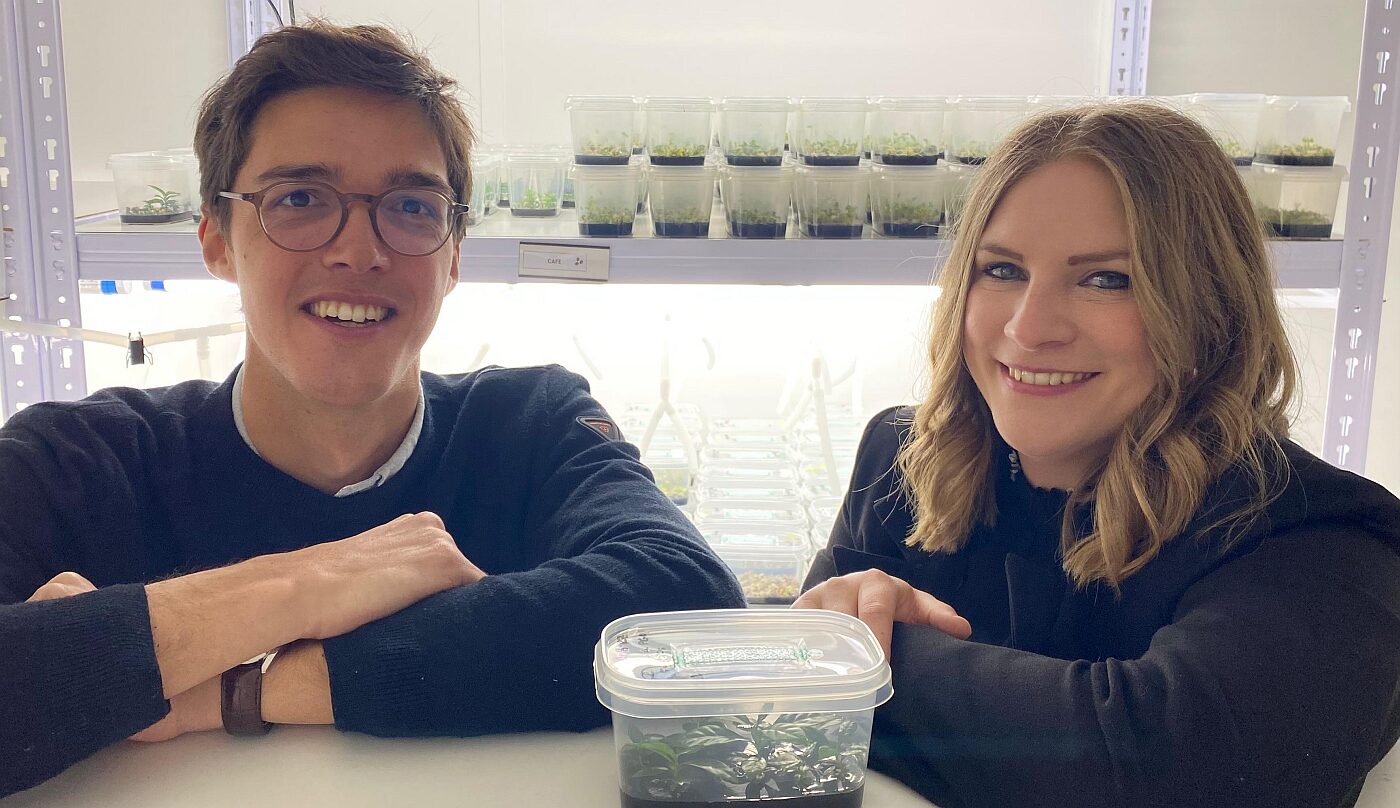
– “It can take more than 20 years and millions of euros to create a new coffee or wine grape variety with conventional breeding techniques. We are accelerating the breeding of perennial crops to create new varieties at a fraction of the cost and timeline,” says cofounder Omar Dekkiche.
High throughput screening in plant cell culture
Generating and screening new plant varieties takes time and money, claims Amatera, which reckons it can save considerable amounts of both by high throughput screening of new varieties at the plant cell culture stage.
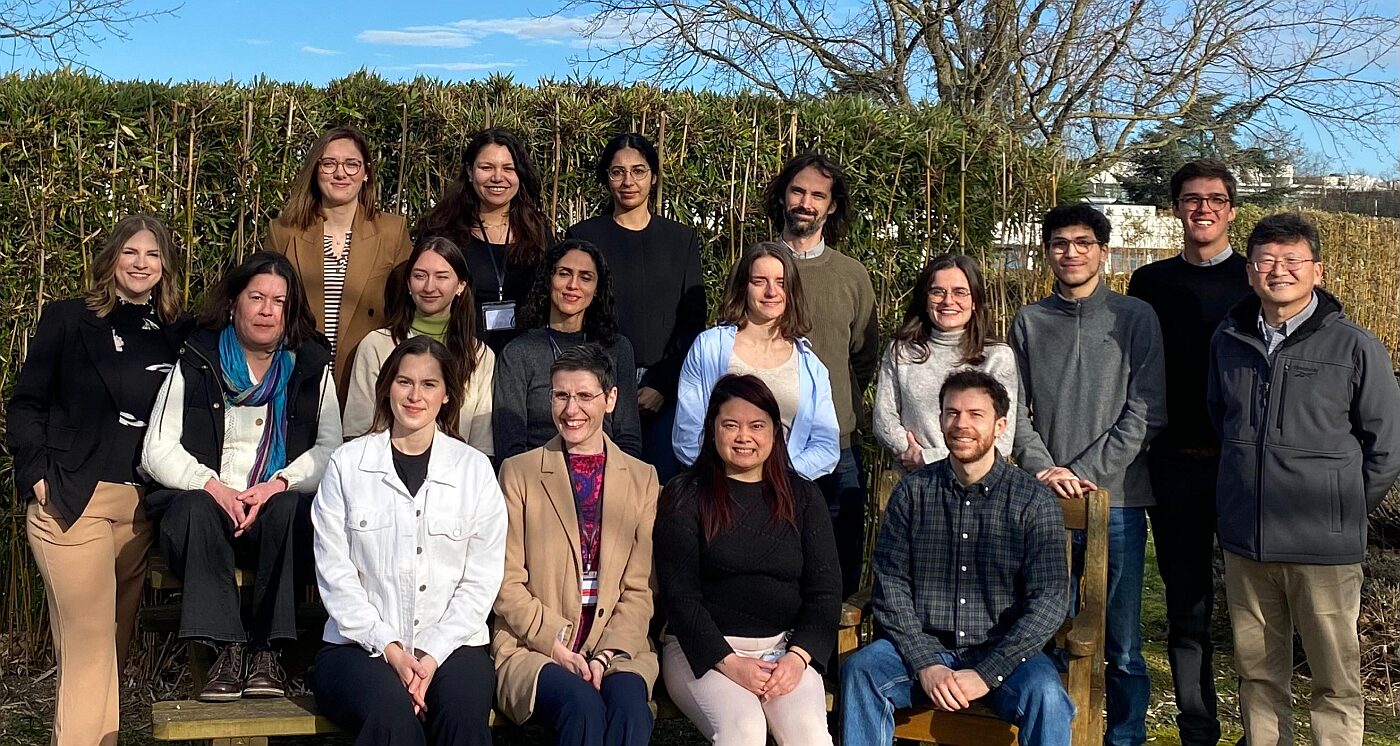
Cofounded in 2022 by Omar Dekkiche and Lucie Kriegshauser, PhD, Amatera originally focused on developing new perennial crop varieties in-house by inducing spontaneous genetic variation using physical and chemical approaches.
This accelerated natural evolution process creates a massive library of non-GMO cell lines that it sequences and screens to identify those with desirable characteristics. Promising candidates can then be regenerated into whole plants that can be tested in the nursery and the field.
“Today, the standard approach is to take these cells, turn them into plants, and then do genotyping to see what you have,” Dekkiche tells AgFunderNews. “We are completely changing this by isolating all the cells, one from the other, to grow them in plant cell culture at a lab scale, and then we identify the cell lines of interest and only regenerate those into plants.
“This saves a ton of money and time. Instead of regenerating all the cells into plants and then screening the plants, we have removed the screening bottleneck.”
The same high-throughput automated screening can also be applied to cell lines created via other methods such as gene editing, he says.
The business model
For perennial crops, Amatera develops and tests its varieties in-house and plans to license them to others. For annual crops, he says, “We’re offering a technology platform so they can incorporate our tech into their pipeline.
“We started with coffee and then got traction on wine grapes so signed a partnership on that, and then the seed companies on annual row crops and vegetable crops became interested in our technology.”
For wine and coffee, promising candidates from screening in plant cell culture are currently in nurseries. These include a “Robustica” coffee variety with the resilience of Robusta and the taste of Arabica, and a caffeine-free Arabica variety.
Work is also progressing on wine grapes resistant to downy mildew and black rot, he says. “We still have some developments to make, but we have made quite a lot of progress already.”
For annual crops, the firm hopes to sign several partnerships this year.

Sign up for our weekly newsletter.