US corn wet miller and biomanufacturing expert Primient is preparing to open a precision fermentation scale-up facility in Decatur, Illinois, next May, enabling startups and established companies to validate their tech and economics before moving to commercial-scale manufacturing.
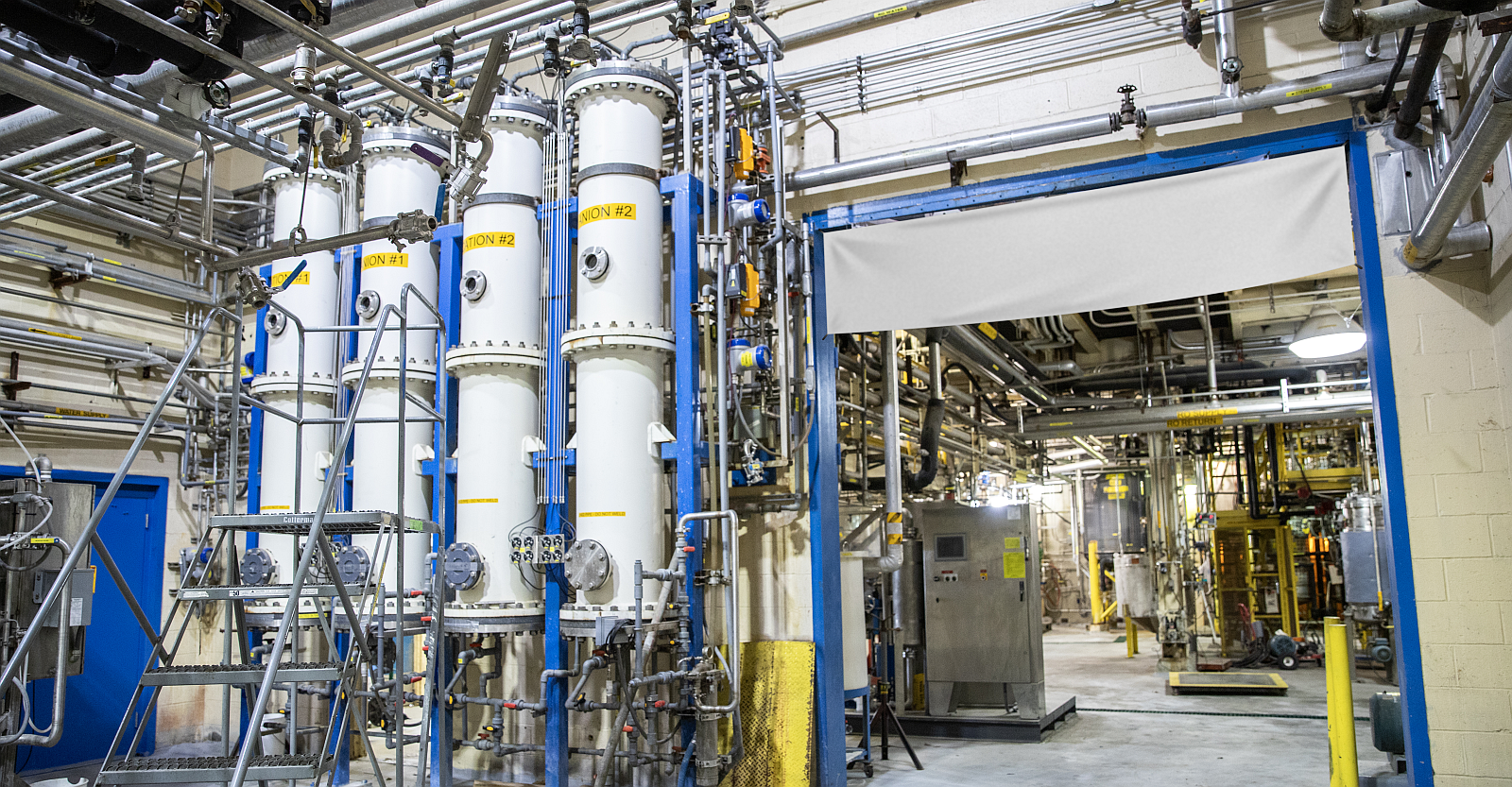
The iPROOF site (Illinois Pilot Research and Operations Optimization Facility), will feature fermenters ranging from 1,500 to 10,000 liters alongside flexible downstream processing equipment, with dedicated staff operating around the clock.
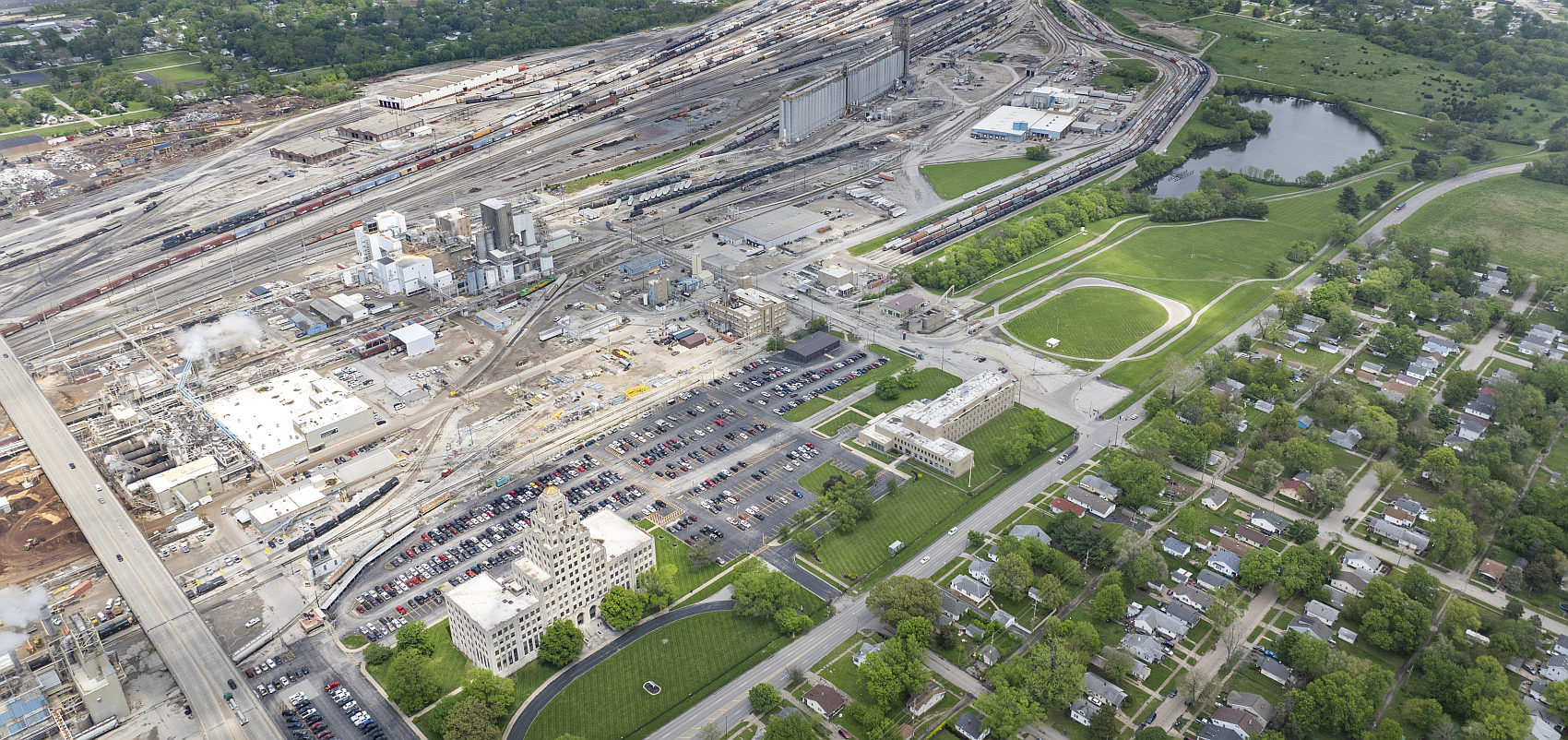
While wholly owned by Primient and located on its Decatur campus, iPROOF will operate as a separate legal entity with its own management and staff, Tim Fowler, general manager at Primient’s biosolutions business, told AgFunderNews.
“iPROOF will operate as an independent, neutral resource that’s open to innovators, startups, research organizations, and established companies.”
Best characterized as a “CDMO plus” operation, iPROOF will operate on a fee-for-service basis, although the company is also open to longer-term strategic partnerships, he explained.
“Startups using iPROOF can basically pay rent, but they don’t have to buy a house. And they don’t necessarily have to become customers of Primient.”
Why it matters
While the US has a thriving biotech research ecosystem, it lacks infrastructure to help companies move from the lab to a commercially viable manufacturing process, claimed Fowler.
“The US does not have a problem with the scientific side of the innovation. Where we have the bigger problem right now, in my view, is on commercialization.”
The industry’s notorious “valley of death” between lab and commercial-scale production is a combination of three problems, he argued.
First, technical problems that aren’t apparent at smaller scales can emerge as bioreactor sizes increase. Second, companies need to validate their production costs at meaningful scale to determine whether their business models stack up. Third, investors are increasingly unwilling to fund the infrastructure needed to resolve those uncertainties.
“You might be able to get through one of those two problems, but when all three exist in the same space… you have a big problem.”
At the 10,000-liter scale, firms working with iPROOF can generate more reliable process and cost data, while also producing sufficient quantities of product for customer sampling, he said.
Downstream processing
One distinguishing feature of iPROOF, according to Fowler, will be its downstream processing capabilities, backed by Primient’s decades of industrial manufacturing experience.
Many startups spend the majority of their time upstream on strain development and yield optimization, partly because it’s difficult to produce enough material at lab scale to validate the downstream recovery and purification process.
As a result, they may discover relatively late in the development process that downstream operations present substantial technical or economic challenges, claimed Fowler.
iPROOF has been designed with interchangeable downstream equipment, enabling customers to experiment with different tech without committing prematurely to one approach.
“You can almost plug and play. So I can wheel one unit out, wheel the other one in, plug it in and try a different approach.”
The aim is to optimize upstream and downstream processing concurrently, rather than maximizing upstream yields only to discover that the resulting product is prohibitively expensive to recover, he said.
“We can help them create a scalable downstream process because we’ve got decades of industrial scale manufacturing experience.”
From 10,000 to 200,000 liters?
While iPROOF is designed to help firms reach the point where they can demonstrate commercial viability, Primient could also support the next stage of their manufacturing journey, said Fowler.
Formed in 2022 after Tate & Lyle sold a controlling stake in its Primary Products business to private equity firm KPS Capital Partners, Primient draws on more than a century of corn wet milling expertise, producing sweeteners, starches, acidulants and other corn-derived ingredients.
Alongside its core ingredients operations, Primient has an established biomanufacturing business producing citric acid and bio-based propanediol and has created a dedicated biosolutions division to pursue new opportunities.
Its Decatur campus already houses a fermentation facility, known as Building 99, which could potentially be brought back into operation with additional investment, said Fowler.
“There’s a fermentation facility ready to go… It’s got walls. It’s got power, equipment. Call that a fast start opportunity for someone who’s looking to scale quickly.”
Primient also has land, utilities and access to corn-derived feedstocks at its industrial sites in Lafayette, Indiana, and Loudon, Tennessee, offering opportunities for companies to build or co-locate their own facilities, he said.
Where are the commercial opportunities?
While iPROOF is open to companies working across a broad range of bioproducts, Primient is particularly interested in higher-value renewable chemicals, biopolymers, surfactants, specialty chemicals and molecules such as polyunsaturated fatty acids and terpenes for flavors and fragrances.
Fowler also sees opportunities in food ingredients such as dairy proteins and ag biologicals, although they are not its primary focus.
According to Fowler, Primient evaluates potential opportunities through three lenses: market size, margin potential and growth; technical and commercial maturity; and compatibility with its existing assets and expertise.
The latter is key to the CDMO-plus concept, he said, “If I’m a biotech innovator, I also want to make sure that my partner has commercial expertise.
“Not because Primient would necessarily sell the products, but because a partner who’s been selling bioproducts for a long time is probably a more value-added partner, I would argue, than a CDMO that might understand the manufacturing side but doesn’t really understand all the rest of the challenges a biotech innovator is going to face.”
Further reading:
‘No acceptable offers’ for Liberation Bioindustries as firm seeks to plug $25m funding gap
🎥What is holding back the bioeconomy? In conversation with Boston Bioprocess CEO Dr. Michael Tai