PlanetDairy—a Danish startup developing hybrid cheese, milk and other products combining dairy and plant-based ingredients—has acquired selected equipment and tech know-how from defunct alt-cheese brand Stockeld Dreamery.
The move follows Stockeld’s decision to cease operations after it became clear that it “simply didn’t have the momentum to justify raising more capital.”
The acquisition allows PlanetDairy to leverage Stockeld’s expertise to improve its products, which seek to bridge the gap between the taste and performance of dairy and the lower emissions of plant-based products, which it claims “have failed to make the shift from niche to mainstream.”
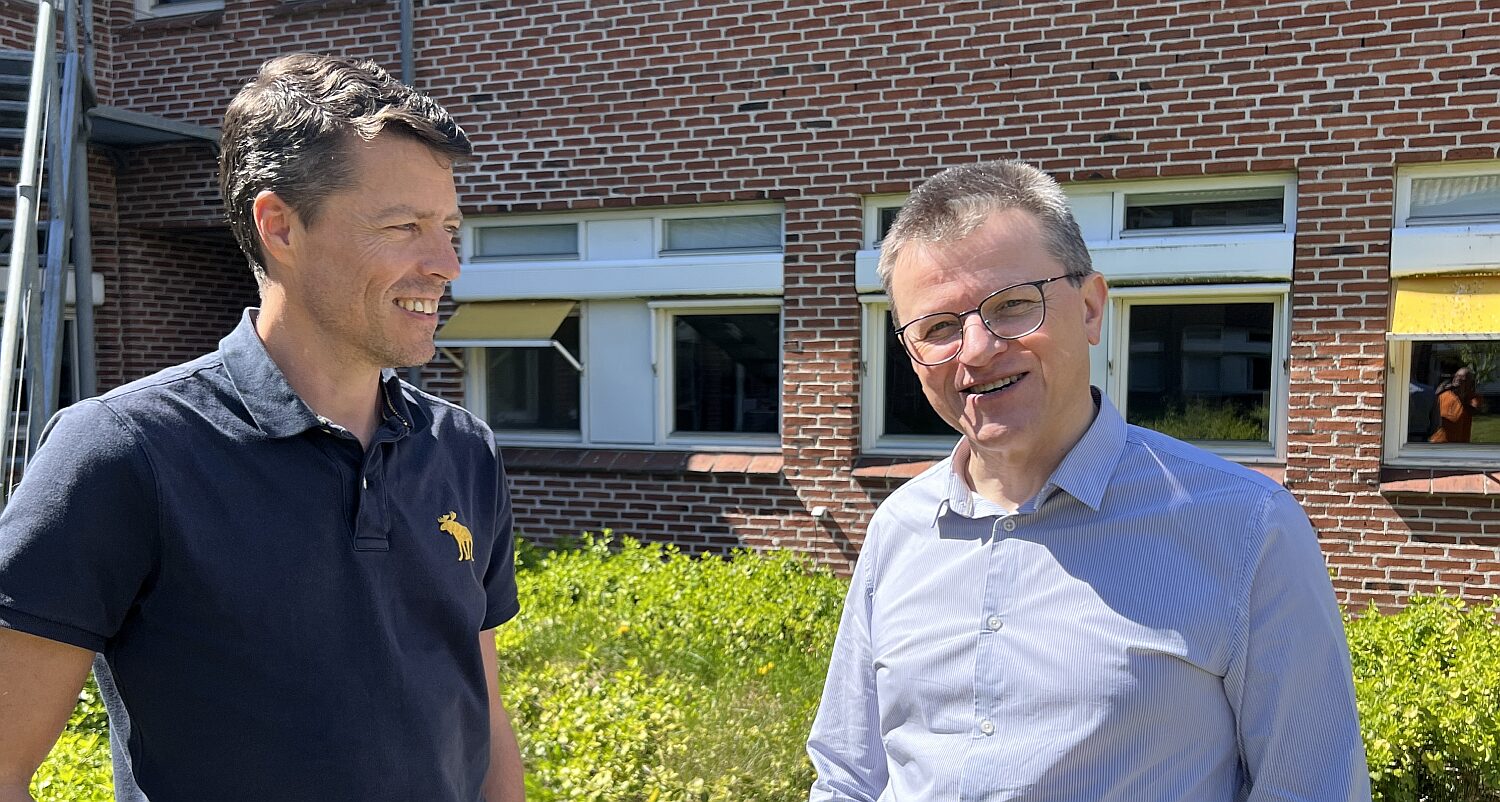
Cofounder and CEO Jakob Skovgaard told AgFunderNews: “Stockeld has invested heavily in R&D over the last five to six years. They had a team of 14 science people and have build significant knowledge of plant ingredients, fermentation and how to deliver taste and functionality which comes close to dairy.
“By integrating this know-how with our own, we are able to improve our products and short cut some of the work we were planning to do over the coming years. Most notably we will be able to accelerate our agenda towards industry customers like pizza manufacturers, and other users of cheese and fresh dairy in ready meals.”
Sustainability not a key purchase driver for consumers
Founded in 2022 by three former senior dairy execs, PlanetDairy sells hybrid cheeses and milks under the PlanetDairy brand in Denmark, Sweden and Finland, but has also partnered with CPG companies and retailers to develop branded and private label products.
One such partnership was with Irish dairy giant Kerry Group, which launched hybrid milks and cheeses in the UK under the Smug brand in 2024, but has since discontinued the line. It reportedly plans to relaunch Smug early next year as an “adult-snacking dairy brand.”
Skovgaard says Kerry is better placed to explain this decision but says the two firms have a good relationship “and have exchanged learnings along the way.”
Another partnership with Farm Dairy to launch hybrid milks under Albert Heijn’s private label in the Netherlands is ongoing, said Skovgaard.
“They are performing good enough to stay at the shelf, however awareness and rotation still need to grow significantly. Our learning in PlanetDairy generally is that positioning of both brands and private label in the hybrid space needs to focus first on the dairy benefits like taste, functionality and nutrition. Secondly some key benefits of hybrid may include less saturated fats, inclusion of fibers or other plant based advantages.”
For industry partners, cutting Scope 3 emissions is a key driver, he said: “It is all about common sense and using science to create great products delivering the full dairy experience with lower greenhouse gases.”
Sustainability is not a key purchase driver for consumers, however: “It may sound a bit harsh, but at the end of the day, we learned that consumers really don’t care enough about sustainability to base their purchase decision on that parameter. So there has to be strong dairy cues and health benefits.”
Hybrid dairy: Best or worst of both worlds?
Whether products actively marketed as hybrids (Smug was pitched as “deliciously creamy milk with oat” with 30% less saturated fat) resonate with consumers remains to be seen.
Arla Foods discontinued its Arla Milk & Oats line (launched in 2018), while Triballat Noyal’s Pâquerette & Compagnie hybrid milk line (launched in 2021) has also been withdrawn. In the US, Dairy Farmers of America’s Dairy+ milk blends (lactose-free milks featuring 50:50 blends of plant-based milk and cow’s milk launched in 2019) were reportedly discontinued in 2022.
Danone’s Dairy & Plants Blend infant formula (launched in 2022) is still on the market however, while Bel Group’s Laughing Cow Blends (launched in 2021) are still available on some US retailers’ online shopping sites.
According to Skovgaard, PlanetDairy has seen a big improvement in sales velocity for its hybrid shredded cheese after switching its brand name from Audu to PlanetDairy and refreshing its packaging design.
“The brand is now PlanetDairy, which is more descriptive of what the product actually is. Secondly we dialed up the dairy cues of the packaging and dialed down the plant-ingredient part. The key benefit remains: The taste you love, with less CO2e. After the change we have seen rotation go up significantly.”
He added: “From a revenue stand-point we are still early stage and have relied mostly on two shredded cheese SKUs in Scandinavia. However, with private label contracts and industry sales materializing, we are looking at very significant growth rates.”
Further reading:
Plant-based cheese startup Stockeld Dreamery shutters as flexitarian dream fizzles