[Disclosure: AgFunderNews’ parent company AgFunder is an investor in Varaha.]
Varaha, an Indian startup developing carbon dioxide removal (CDR) projects with smallholder farmers in Asia, has signed an offtake deal with Microsoft for biochar carbon removal in India spanning 100,000+ tons over three years.
The news, which follows a large forestry CDR deal between Microsoft and Rubicon Carbon unveiled yesterday and a huge deal with Indigo announced today, comes a year after Varaha announced a 100,000t agreement with Google in January 2025.
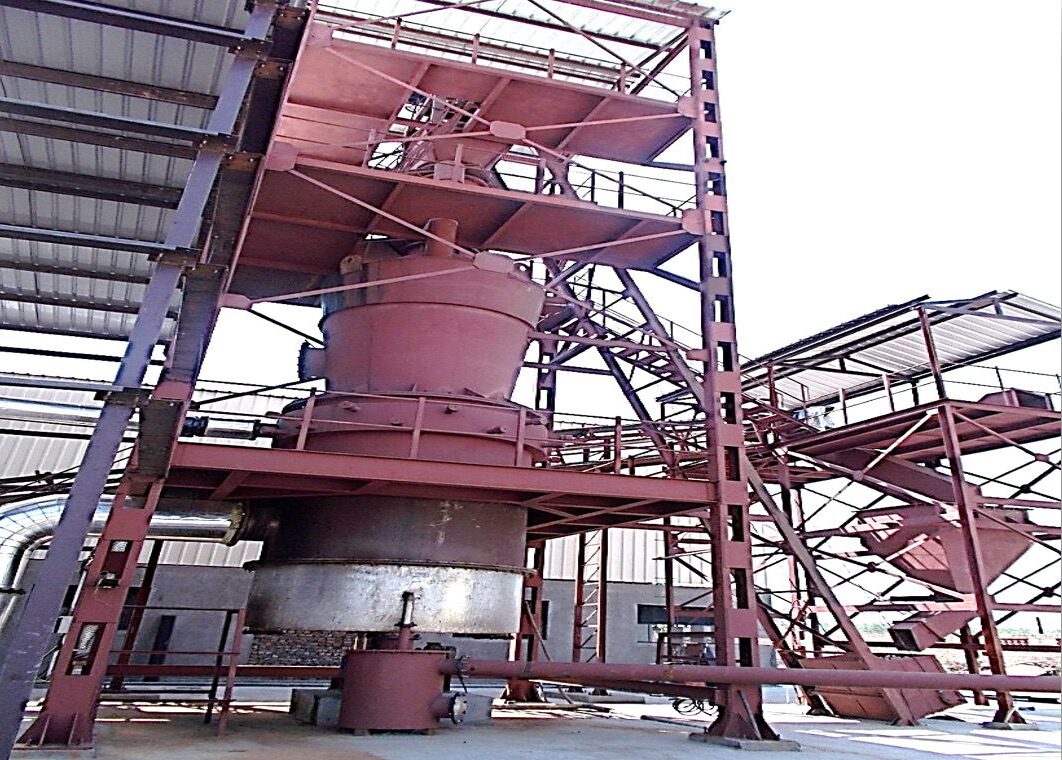
The aim is to develop up to 18 reactors over 15 years, removing more than 2 million tons of CO₂, Varaha CEO Madhur Jain told AgFunderNews.
“We’re not just removing carbon; we’re creating economic incentives for farmers to mitigate open burning of crop residues.”
The parties have not shared how much the deal is worth, but a commitment on this scale will likely de-risk the projects and unlock project finance for Varaha, which operates 20 carbon projects across India, Nepal, and Bangladesh spanning regen ag, agroforestry, biochar and enhanced rock weathering.
A recent report by S&P Global found that US biochar credits for delivery in 2025 were around $150 per ton of CO₂e, although prices can vary widely based on project specifics, region, and verification protocols.
“This offtake agreement broadens the diversity of Microsoft’s carbon removal portfolio with Varaha’s biochar project design that is both scalable and durable. It represents a step forward in scaling CDR growth in Asia and advancing co-benefits for farmers—improved soils, cleaner air, and shared economic opportunity.” Phil Goodman, program director, CDR, Microsoft
Why it matters
While the temptation for corporations buying carbon credits might be to pick the cheapest option, they are now facing far more scrutiny, which is prompting interest in credits from firms that can provide more durable solutions and robust validation.
In the CDR space, firms can choose from shorter-lived approaches such as soil carbon sequestration and afforestation, which can present reversal risks (if soil is tilled or forests are cut down); or more durable/permanent options such as biochar, enhanced rock weathering, or direct air capture, with pricing rising accordingly.
Biochar—which is made by heating ag biomass in low oxygen conditions—is attracting interest both due to its durability (the carbon is locked away for thousands of years) and the fact that it can improve air quality (by diverting ag biomass that might otherwise be burned), soil health (it serves as a soil amendment), and water retention.
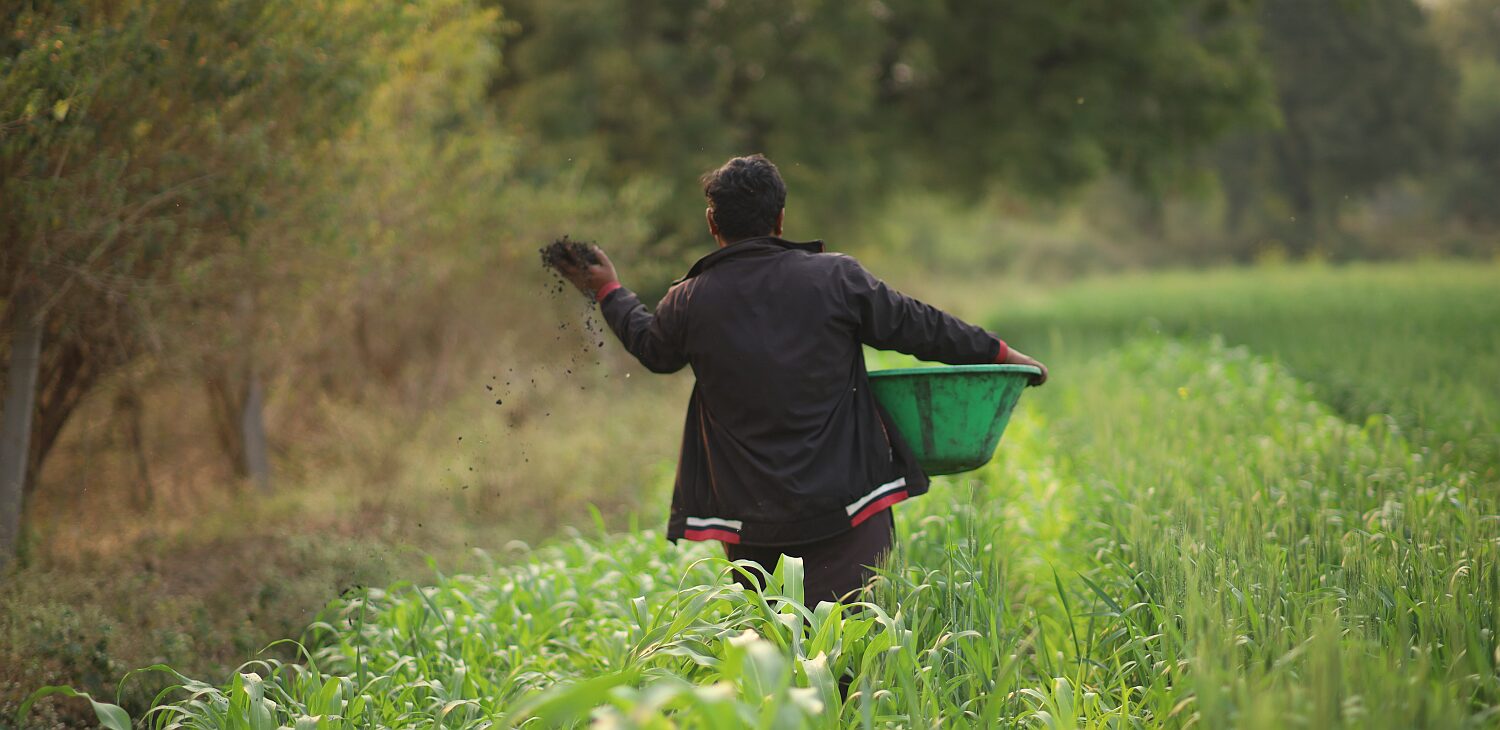
Varaha’s latest project sources cotton stalks from smallholder farms in Maharashtra, India, where open-field burning is common. Varaha will work with farmers to heat the stalks in gasification reactors. Participating farmers will receive payment both for contributing ag biomass and for implementing regen ag practices such as crop residue mulching and biochar application to soils.
How are large buyers assessing CDR projects?
Asked how corporate buyers are looking at CDR options, Jain told AgFunderNews: “Large buyers look for quality of the team, experience of issuing credits in the past, experience of executing large deals with large players (and Varaha has done this with Mirova, Google, Capgemini and several others), ability to raise capital to execute projects, and the ability to scale.
“Varaha is the second largest globally in terms of durable carbon removal deliveries.”
For the measurement and validation of carbon dioxide removals, he said, Varaha has developed an in-house digital MRV (Measurement, Reporting, and Verification) solution: “Most MRV players don’t have the lived experience of running complex smallholder projects, hence it is important to have the capability to develop digital MRV.
“In terms of the registry [the independent body that will verify the CDR projects and issue carbon removal credits], we can’t disclose that at this point.”
As for the gasification tech, he said, “India has more than 10 OEMs [Original Equipment Manufacturers]. The success of biochar lies in having a strong ground game for the biomass supply chain, farmer incentives, and ability to operate the plant. The tech in itself is fungible and a commodity. We work with different OEMs, to not have any tech risk for our large, diversified operations.”
The biochar will go back to the farms where the biomass came from, where it can be re-applied to soil as an amendment every three-five years, he said. “So, on a year to year basis, you go to newer farmers to access the biomass and apply biochar.”
What is biochar?
👉 Biochar is a carbon-rich solid made by partially combusting biomass and other organic waste. While there are different types, a common characteristic is the presences of recalcitrant carbon that can last in soils for years, decades, and even millennia, according to the United States Department of Agriculture (USDA).
👉 As a soil amendment, biochar has been around for years, but it’s only recently gained attention as a tool in the fight against climate change.
👉 Crop residues such as cotton stalks don’t usually lock carbon away for long. In many farming systems they are burned or rapidly decompose, returning most of their carbon to the atmosphere.
👉 By heating the residue in low-oxygen conditions, part of the biomass carbon is converted into a highly stable form that microbes struggle to break down, turning short-lived plant carbon into long-lived carbon storage.
Further reading:
Eion teams up with Perdue for enhanced rock weathering in landmark carbon insetting deal
Competition, price jumps expected as demand outpaces supply of European forest carbon credits
Building the GHG accounting toolbox: Arva scales payouts for regenerative ag