In the 1820s, when European farmers were pouring manure onto exhausted soils and getting very little yield back, the accepted explanation was that plants needed more humus, the decayed organic matter in the ground, which they fed on. So the remedy for a tired field was more manure. However, when Carl Sprengel, a German agronomist, analyzed what was actually in the plow layer, he found that the theory was wrong. Plants take up specific mineral elements, and a field could be rich in almost all of them and still fail because it lacked the one that had run out.
He published the argument in 1826 and set out the consequence in 1828, in what became known as the Law of the Minimum: growth is governed by the scarcest input rather than the total available. Add nitrogen to soil short of potassium and growth remains stagnant. A decade later, chemist Justus von Liebig popularized the concept, which is why it is often called Liebig’s Law of the Minimum and is frequently illustrated as a barrel holding water only as high as its shortest plank.
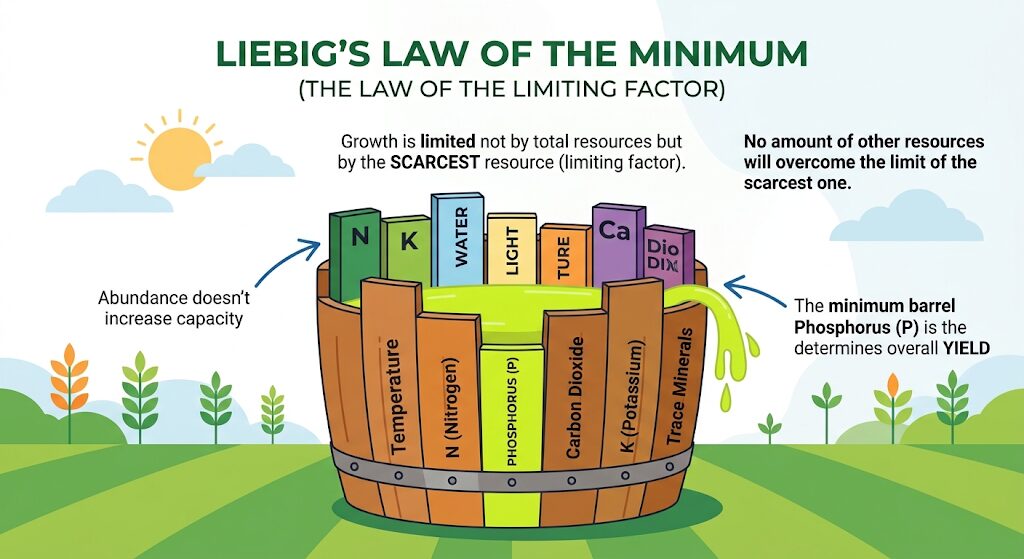
In 1905, British plant physiologist Frederick Blackman generalized the concept in his paper “Optima and Limiting Factors,” coining the term that frames AgFunder’s investment thesis today.
At AgFunder, we invest in startups addressing the limiting factors or bottlenecks holding the agrifood system back, an evolution and alternative to a sector-based investment approach.
Importance is not a limiting factor
Thirteen years at the forefront of agrifoodtech investing have taught us that solving critical issues—like climate change, supply chain resilience, or food security—does not automatically make a startup a sound investment. As our friend Ryan Rakestraw from Temasek recently noted, the importance of those issues alone doesn’t determine customer willingness to pay, unit margins, or defensibility.
A sector tells you where a company operates and sells, but a constraint reveals what is actually stopping an industry from progressing and improving. By underwriting the constraint rather than the sector, we identify opportunities others often overlook—and focus on the truly actionable variable.
Agrifood’s importance has long been mistaken for an investment thesis. Over the past decade, capital has flooded into point solutions that address real problems but lack the market pull or unit economics required for venture scale, like filling a barrel made of uneven planks.
Our data shows this: agrifoodtech investment deals are down 60% from their 2021 high. A great deal of that peak capital went to companies whose reason for existing was to solve a big problem and save the world.
The decade’s standout companies succeeded by solving specific structural bottlenecks: lowering rigid cost floors, accelerating long development cycles, overcoming labor shortages, scaling biological processes, or solving distribution challenges.
Though it was still early days for Bear Flag Robotics, a company in our portfolio that we exited in 2021, John Deere clearly saw where the company was headed and the value its autonomous technology could offer in combating one of the industry’s biggest constraints: labor.
Similarly, Brazil’s Biotrop targeted a key biological bottleneck: extending microbe shelf life to three years without refrigeration. Removing this stability barrier unlocked massive distribution scale, leading Biobest to acquire a majority stake in 2023 at an enterprise value of ~$570 million.
Lessons from the coalface of agrifoodtech
AgFunder has been uniquely close to the sector since its founding in 2013. AgFunderNews and our research team have covered every funding round, pivot, and shutdown in agrifoodtech since 2013, and GAIA, our agentic AI platform, tracks more than 50 million startups, along with a decade of our own deal memos. With that unique insight, we noticed a pattern: Many of the technologies that transformed the agrifood sector most were rarely built for it, but first arrived one degree of separation away.
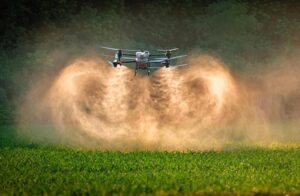
For instance, GPS technology was initially developed for military navigation before it revolutionized agricultural mechanization, while DJI’s drones, which are now the leading brand on farms across the globe, were first engineered for consumer aerial photography (unlike dedicated agricultural drone startups like PrecisionHawk, which mostly failed). Similarly, satellites built for defense and earth observation now monitor soil moisture, weather, and yield at scale, and mRNA vaccine platforms derived from human R&D and accelerated by Covid-19 are now directly driving the development of veterinary vaccines to protect livestock.
Below we outline seven limiting factors to progress and abundance in agrifood and as you will see, many of these constraints are industry-agnostic, with entrepreneurs often addressing them in other industries first, such as pharma, energy, cosmetics, and even data centers, where the customer base is less capital-constrained than agrifood. This can de-risk a startup’s early R&D for agrifood’s thin-margin economics.
Our thesis distinction also fundamentally shifts our underwriting approach. Because these companies solve a universal constraint, they aren’t reliant on a single market; they often have multiple paths to revenue that insulate them from sector-specific downturns and de-risk the investment. Crucially, this creates an attractive entry valuation: because these platforms are usually priced against their initial niche, we can back multi-industry assets at single-industry valuations.
Physical limits
Labor & Autonomy
Farming relies heavily on manual tasks such as weeding, picking, sorting, packing, or assembling, which introduce high variable costs and logistical vulnerabilities, particularly against the backdrop of a shrinking workforce. For specialty crop growers, hand weeding can be the single largest variable cost and can determine business survival.
Traditional mechanization failed to solve this across the supply chain because rigid machines could not adapt to the biological variability of farms and packing lines.
We back Physical AI systems that go beyond fixed automation. These self-improving machines continuously learn from their environment and by improving efficiencies over time, can lower costs across the entire supply chain, from fields to packhouses and kitchens, commonly leveraging R&D originally funded by high-demand sectors like logistics, ports, and defense.
In the field, portfolio company Aigen deploys solar-powered, intelligent weeding fleets that navigate crops dynamically to eliminate chemicals without charging infrastructure. Meanwhile,
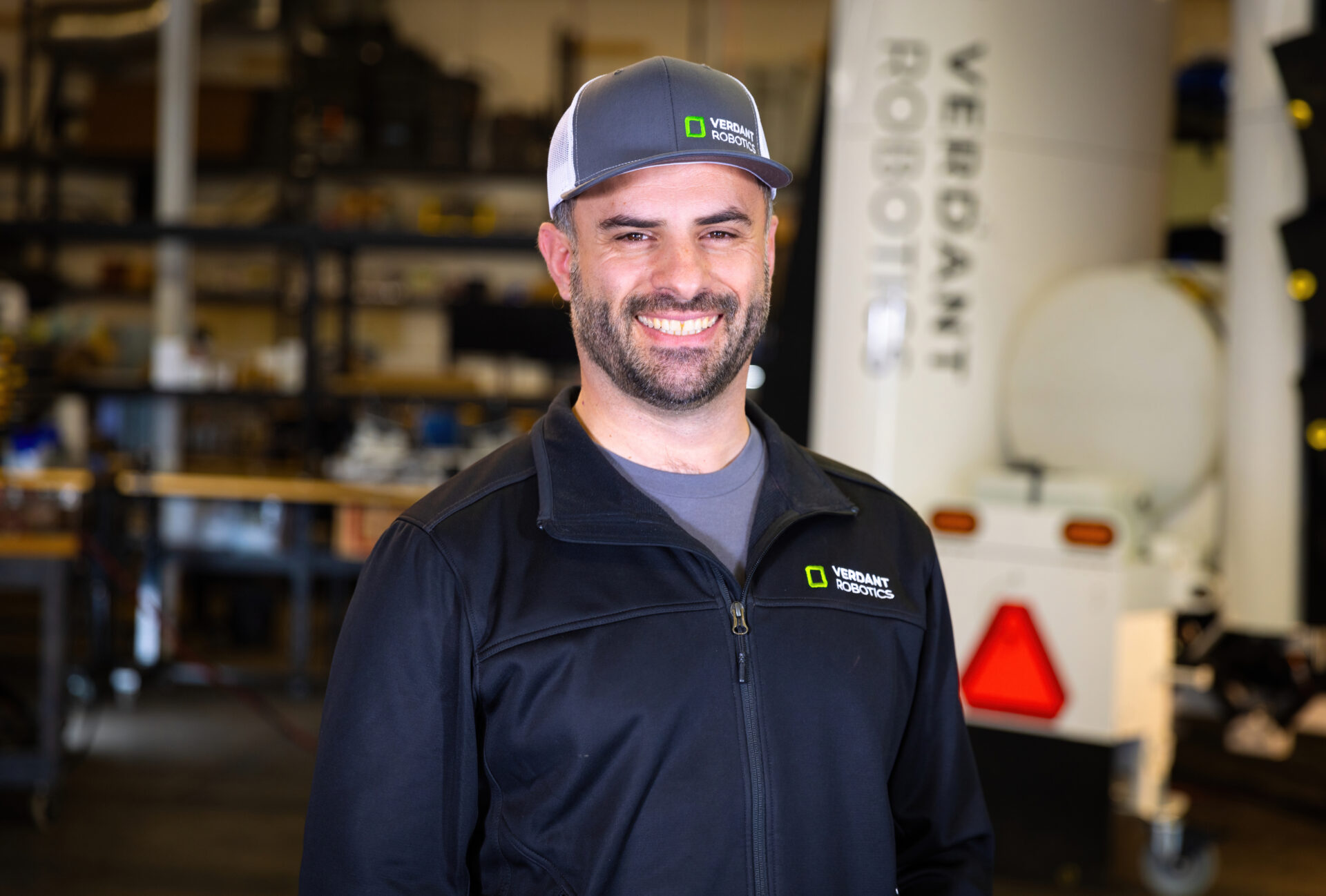
Verdant Robotics uses deep computer vision to weed and thin crops with millimeter precision, replacing arduous manual work with scalable automation. Downstream, LYRO Robotics addresses packhouse labor constraints using AI-driven pick-and-pack solutions with advanced grasping technology to handle delicate, variable produce like sweet potatoes and avocados without needing major infrastructure overhauls.
Portfolio examples: Verdant Robotics, Tevel, Azaneo, Aigen, Lyro Robotics, Azaneo, Hyphen, and Bear Flag Robotics (exited to John Deere in 2021)
Energy & Physics
The agrifood system accounts for ~30% of global energy consumption and emissions. In post-farmgate operations, energy represents 15% to 30% of factory OpEx—a major vulnerability for an industry averaging 5.3% net margins.
Thermal management is the main culprit: ~75% of sector energy goes to heating, cooling, and processing. Nearly half of all energy is spent simply moving heat around—not just for industrial pasteurization, cooking, and cold-chain preservation, but also for energy-intensive processes like crop drying and greenhouse climate management.
Innovation in thermal management is fundamentally a physics problem that the agrifood industry and been financially unable–and possibly unwilling–to solve itself. Yet the massive global buildout of AI infrastructure is funding heat-management innovation to solve data center overheating with state-of-the-art cooling technologies such as heat exchangers, which could subsequently be deployed into agrifood where it could unlock $25–$35 billion in annual energy savings in the US alone, and up to $75 billion globally. Our thesis lets us back fundamental physical advancements like this, using the AI industry as the initial, high-paying customer to fund R&D.
Elsewhere, our portfolio company Intelligent Growth Solutions (IGS) tackled a major energy bottleneck for vertical farming by redesigning the power architecture rather than relying on inefficient single-phase LED setups. Its patented three-phase power technology eliminates power loss and micro-flickering without extra electronics, permitting precise light spectrum tuning while slashing energy use and simplifying controls through an IoT cloud layer. Ultimately, the system cuts energy consumption by up to 50%.
Portfolio examples: Faraday Earth, Intelligent Growth Solutions.
Speed Limits
Discovery
R&D in agrifood is still constrained by slow, linear trial-and-error design cycles. Whether it is developing a new crop-protection molecule or a complex ingredient for a novel food product, the innovation pipeline is chronically bottlenecked. Furthermore, it often dies during the slow crawl from a working lab sample to a commercially viable product, compounded by regulatory or clinical processes that trap new solutions in “approval purgatory” for years.
We invest in predictive computational design and parallelized testing platforms that eliminate viable failures early, compress discovery timelines, and accelerate regulatory validation.
We back these ideas and platforms regardless of whether the final application is in the field, the factory, or the pharmacy. In fact, the first paying customer for these technologies is often in pharma or chemicals, industries where R&D budgets can fund a discovery platform years before agrifood can, and with us investing, we ensure our industry has a seat at the table.
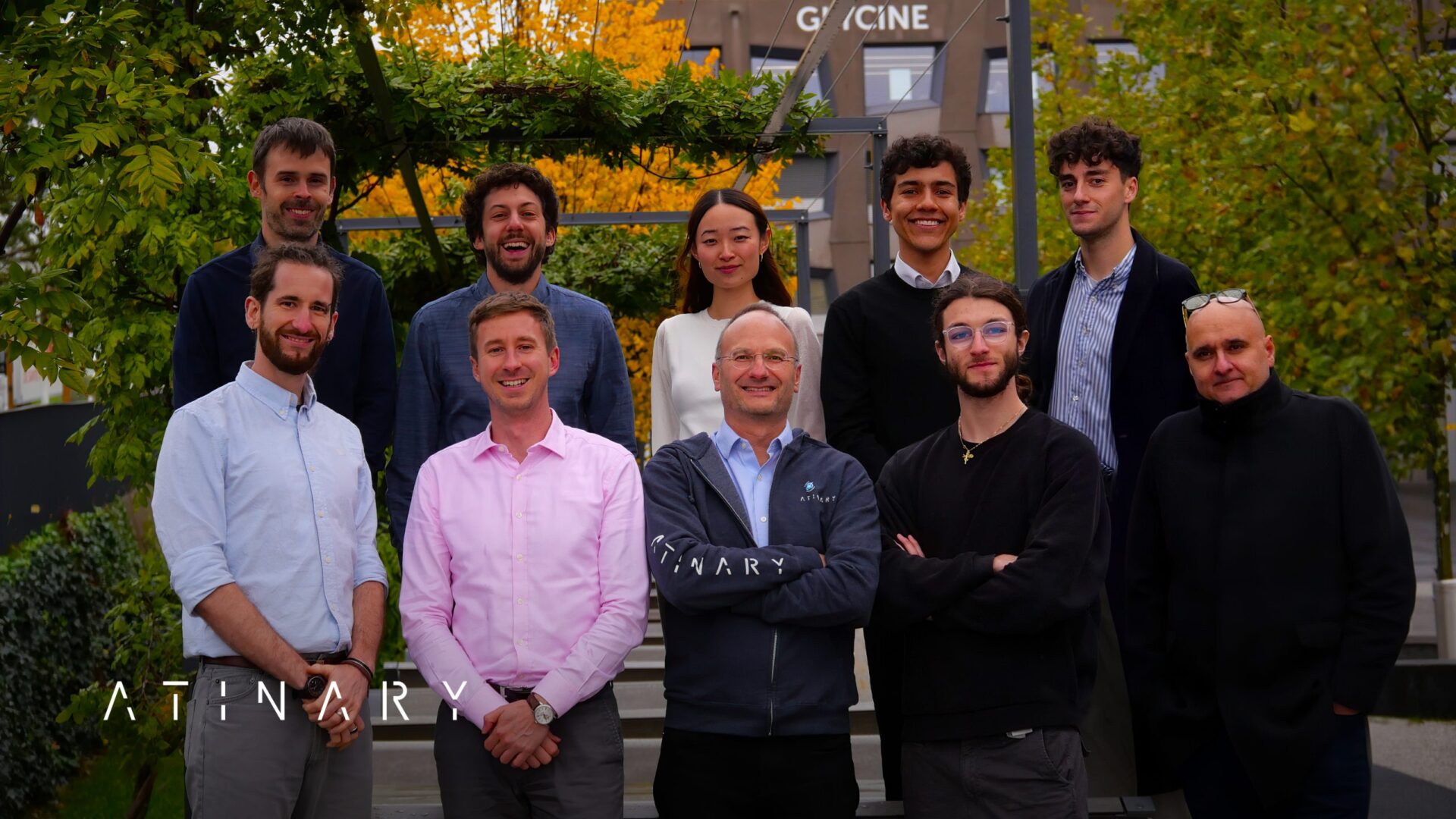
Our portfolio company, Atinary, is developing robotic and autonomous laboratories to conduct research, predicting each experiment to run, and executing it in a continuously improving feedback loop, compressing research timelines by as much as 10x-100x.
Compressing this timeline doesn’t just make R&D cheaper; it lets the industry iterate fast enough to solve challenges before they become unmanageable. As an investor, it also shortens your returns timeline and diversifies the exit pool.
Portfolio examples: Atinary (predictive, closed-loop R&D), Brightseed (using foundation datasets to discover novel bioactives)
Biology to Manufacturing
In the past, the agrifood industry treated scale-up as a brute-force engineering problem, building massive stainless-steel facilities in the hope that volume would eventually drive down costs.
That approach destroyed massive amounts of capital, particularly in alternative proteins and precision fermentation, where companies with good science burned through hundreds of millions of dollars only to find their unit economics were unviable at any scale they could afford to reach.
We back companies that put the process first. Instead of racing to build capital-intensive biomanufacturing plants, these platforms apply AI to manufacturing itself, using digital twins, strain performance prediction, and real-time process control to squeeze more out of every run. Get the process right and a company can reach profitable margins at a smaller scale and lower titers, which shrinks the valley of death in which so many alt-protein and fermentation startups died.
The same companies treat production as shared infrastructure and deliberately sequence their markets. High-value, lower-volume customers come first: growth media for pharma, specialty ingredients for cosmetics, functional proteins for infant formula, and the de-risked, paid-for process then enters the lower-margin, higher-volume world of food and agriculture. Compressed production cost is what makes biology competitive with chemical manufacturing, and it is the difference between a technology and a business.
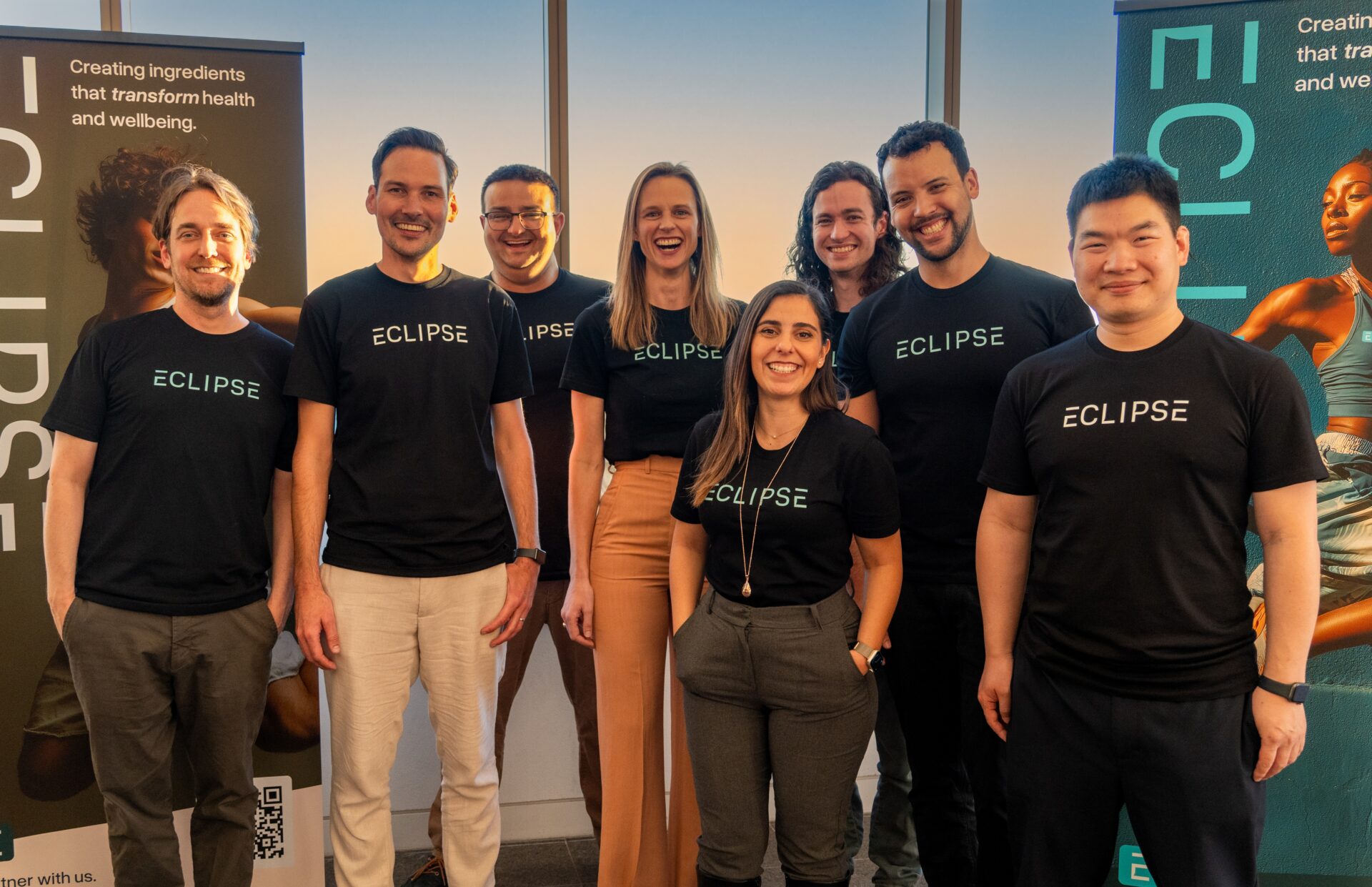
In our portfolio, Future Fields completely re-engineered the cellular production paradigm by utilizing fruit flies as a living biomanufacturing platform to produce recombinant proteins. By letting biology do the heavy lifting, they avoid the astronomical costs of traditional bioreactors, serving high-margin biomedical and pharma clients while systematically driving down the cost of cellular agriculture.
Similarly, Scindo applies advanced enzyme optimization to transform low-value agricultural side streams into high-value specialty molecules. Rather than focusing on brute-force physical processing, their platform refines the underlying biological mechanism first, allowing them to tap into lucrative cosmetic and nutrition markets before scaling their conversion architecture out to broad commodity side streams. This tactical market sequencing turns complex biology into a capital-efficient venture asset.
Portfolio examples: Future Fields, Scindo, Eclipse. Exited: Faeth Therapeutics, acquired by Sensei Biotherapeutics in 2026
Proof limits
Proof and measurement
The agrifood industry excels at engineering precise biological interventions, developing ingredients with metabolic benefits, and recommending farming practices that store soil carbon. It’s less adept at proving their accuracy.
Verifying these complex tools often relies on clinical trials that take years, field sampling that can cost more than the credit it validates, and paperwork standing in for evidence.
As a result, companies sell inputs instead of outcomes, and a functional ingredient gets treated as just another commodity rather than a validated health product, and a regenerative farming technique remains a nice idea rather than a proven result.
Voluntary carbon showed what happens when billions of dollars chase an outcome nobody can credibly verify: integrity collapsed, buyers fled, and the market priced the doubt rather than the carbon. Food as medicine is stalled at the same gate for the same reason, because health outcomes that take a decade and a pharma budget to prove will stay unproven at food industry margins.
We back the measurement layer that lets a company put a price on the value it’s creating for human health or the environment. These platforms turn biological and environmental claims into data that a buyer, an insurer, or a regulator can act on. And with cheap, credible verification, these companies can do two jobs at once: convert commodity products into outcome products, and open markets that couldn’t exist without them. By controlling the measurement, they also get real leverage over pricing. Because this measurement stack can validate outcomes across diverse sectors—such as carbon, health, or industrial performance—again, the initial customer doesn’t have to come from agrifood.
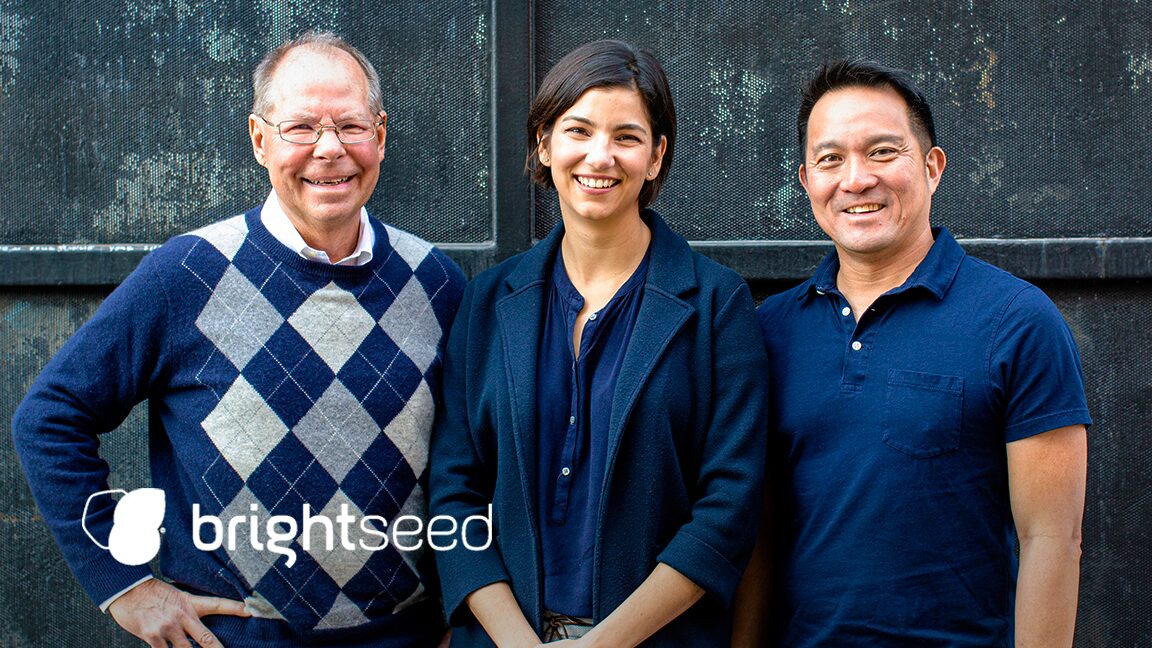
Brightseed is solving the “Food as Medicine” bottleneck by utilizing Forager, its AI-driven computational platform, to map the plant kingdom at a molecular level. By rapidly identifying and clinically validating specific phytonutrients and their exact impact on human metabolic health, they provide food and beverage brands with the definitive proof needed to command premium pricing.
Portfolio examples: Brightseed, Varaha, Klim, Areti
Market limits
Distribution & Adoption
Around a third of the world’s food is grown, harvested, and then lost before it reaches a plate, pointing to a distribution constraint, which is often fragmentation: more than eight in 10 of the world’s farms are smaller than two hectares, hundreds of millions of operators with no aggregation point between them and a functioning market. Farms under five hectares produce close to half the world’s food, and most of the people growing it cannot get quality inputs, reliable advice, or a fair price at the gate.
The technology to fix these inefficiencies exists, but it fails to reach the people who need it most. Digital agronomy tools worked and still failed commercially, because adoption runs on the grower’s clock, one season at a time, and the cost of reaching a fragmented customer base exceeded what any single product could carry.
We back the infrastructure that connects these fragmented markets— that is, platforms improving the flow of better inputs and advice inward, while simultaneously opening channels to better-paying buyers outward. By removing the friction between supply and demand, we turn existing technology into adopted solutions.
A platform that aggregates farmers to sell inputs can carry finance, insurance, and offtake across the same relationships, which is why distribution businesses in fragmented markets compound. Meanwhile, aggregation built for farmers carries credit, insurance, and consumer goods across the same relationships, so a distribution business born in agrifood grows into markets well beyond it.
By consolidating millions of fragmented nodes into high-fidelity data channels, platforms like Hwy Haul (B2B fresh produce logistics), Tractor Junction (rural commercial vehicle marketplaces), and S4S Technologies (solar-powered food preservation networks) successfully bypass traditional distribution bottlenecks, turning thin-margin agricultural connections into highly defensible, venture-scale infrastructure.
Portfolio examples: DeHaat (connecting 10 million farmers to inputs and buyers), Aquaconnect, Hwy Haul, Tractor Junction, S4S Technologies
Capital Access
Technology often stalls at the pilot phase because buyers cannot finance the purchase. Unmet credit demand from smallholder farmers is around $170 billion a year, with lenders meeting less than a third of a $240 billion need, and agri-SMEs sitting between farmers and markets face a further $106 billion financing gap in sub-Saharan Africa and Southeast Asia alone. Basic financial services reach roughly one rural community in 10, and most of the world’s farmers carry no insurance at all. And this isn’t unique to the developing world; farmers across the globe struggle to access the finance they need to try something new, be it regenerative farming or new tech deployment.
Banks are not being irrational. A smallholder has no collateral a bank recognizes, no file a credit model can read, and cash flows that arrive twice a year, so underwriting the loan costs more than the margin. The result is that a proven product a farmer cannot finance stays a pilot forever, which means capital access arguably caps every other constraint on this list.
We back the platforms building credit rails for operators the existing system cannot see, using the data that already exists—transactions, agronomy, satellite imagery, supply chain flows—to price risk the bank could not.
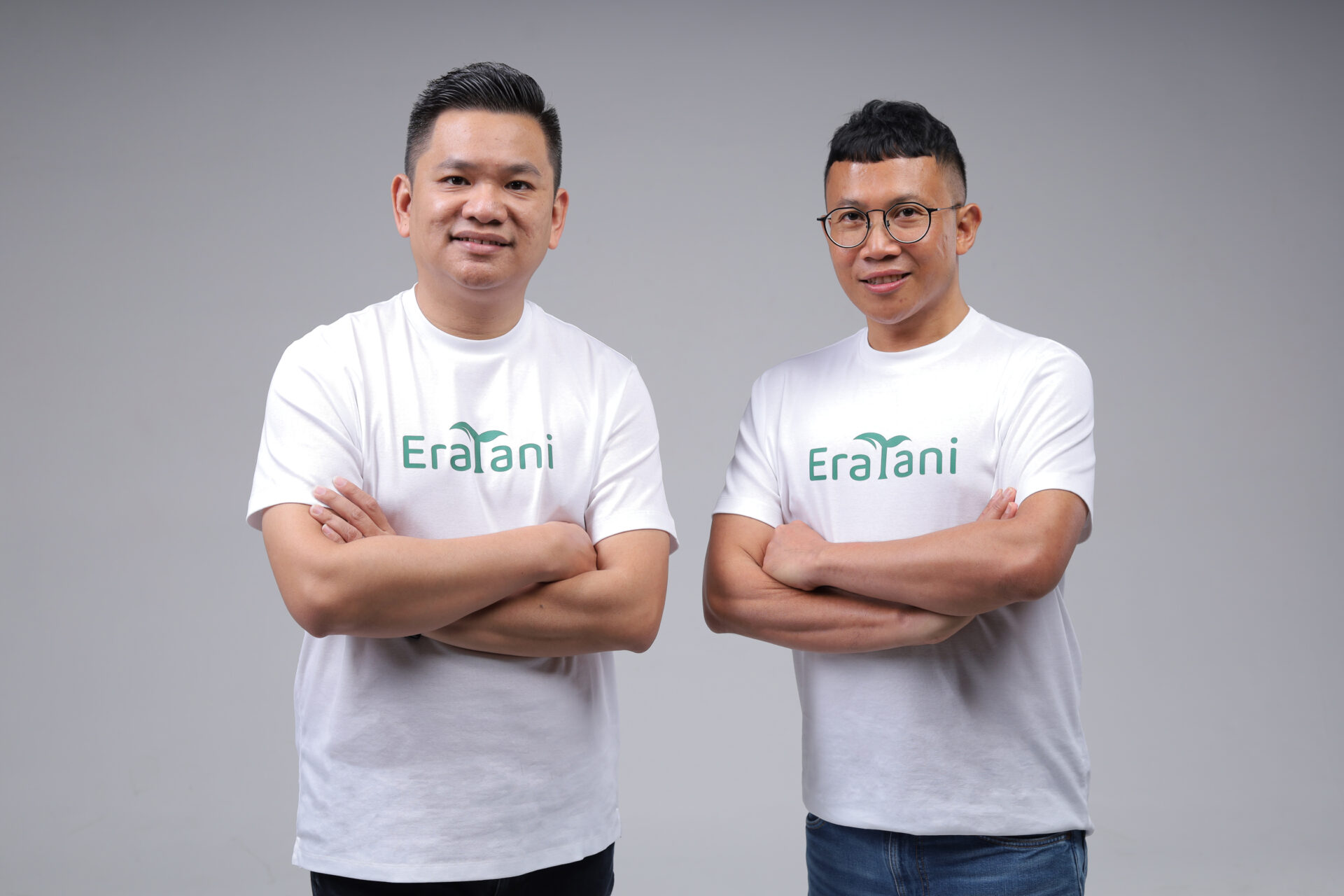
In Southeast Asia’s fragmented rice sector, Eratani operates a tech-enabled marketplace that bypasses traditional collateral requirements. By assessing on-farm risk through localized data vectors, including historical yield trends, soil health metrics, pest frequencies, and structural irrigation quality, Eratani safely extends flexible credit and input financing. This data-first underwriting approach has enabled them to onboard more than 34,000 smallholder farmers, boosting their average crop yields by 29% and driving a 25% lift in seasonal income.
Simultaneously, Klim deploys this data-driven underwriting framework to bridge the financing gap for farmers transitioning to regenerative agriculture.
Portfolio examples: Eratani, Klim, Nelo, Dehaat
Solve the constraint and you get a platform
Our mission at AgFunder hasn’t changed since 2013: to fund innovation to improve our global food systems. But our strategy has evolved.
By backing constraints instead of applications, we’re betting on frontier and deeptech earlier than it may typically appear in agrifood, at better prices, and in companies that serve multiple downstream markets making its survival more likely. And it puts us in the deal early enough to make agrifood a target market sooner than later and not an afterthought.
And when technologies for agriculture, food, and energy dissolve into a shared infrastructure of biology and data, the next great agtech exit might not go to a traditional ag player but to a global health or pharma giant.
Same mission. Better leverage. Wider impact.
Email [email protected].