For all its potential, regenerative agriculture still accounts for a fraction of the global ag industry. Part of this is due to “the absence of a unified definition of the concept and its outcomes,” says the Sustainable Agriculture Initiative (SAI) platform, which argues the lack of clarity around standards makes it difficult to design and implement programs simultaneously at scale and at farm level.
SAI created its Regenerating Together Programme to address this issue of making global regenerative agriculture standards adaptable at the local level. With the pilot phase now complete, SAI is gearing up for a wider rollout later this year.
The program works with major corporates including Nestlé, Wildfarmed, Louis Dreyfus Company (LDC), and McCain to build a universal framework across crops, dairy and beef farming systems all over the world. With standardizing guidance and protocols, these food and beverage companies can more easily support their farmers and suppliers in transitioning to regenerative practices, says SAI.
“Every company has defined ‘regenerative agriculture’ slightly different, and claims may lack the credible data and verifiable proof points,” explains Dionys Forster, director general at SAI Platform. These claims span everything from highly conservative ones to outright greenwashing.
“The food industry really wanted a more aligned approach to implement regenerative agriculture, which was the starting point of creating the Regenerating Together framework and the supporting guidance that we are now delivering,” he says.
A global framework for regen ag
Regenerating Together began in 2023 and has completed over 35 pilot initiatives across 23 production systems, all of which have validated the four-step framework central to the program’s overall mission.
This framework is designed to help farmers understand and implement concepts of regenerative agriculture at the farm level. According to SAI, this framework makes it possible to maintain a global approach to regenerative agriculture while still taking into account each individual farms’ needs.
The four steps include:
- A context analysis to identify predominant environmental factors, soils, and production systems on any given farm
- Outcome selection to determine which regenerative agriculture outcomes (e.g., biodiversity increase, carbon sequestration, higher farmer incomes) to prioritize based on the context analysis
- Practice adoption to select the most appropriate practices in which to achieve these outcomes
- Monitoring and assessing progress over time with continuous improvement plans
So far, Nestlé has implemented the framework on oat crops across 25 farms in Canada and Wildfarmed is testing it on wheat, oats, and barley on 150 UK farms. “Multi-stakeholder projects” in India, Denmark, and Argentina are using the framework for potato farming, arable growing, and peanuts, respectively.
The Regenerating Together Programme, says Forster, provides the alignment and direction from which the agri-food industry can base its work going forward.
“We’ve now seen the program tested across a wide range of production systems, geographies and value chains, with input from farmers and major food businesses working in very different conditions.”
Global standards with local context
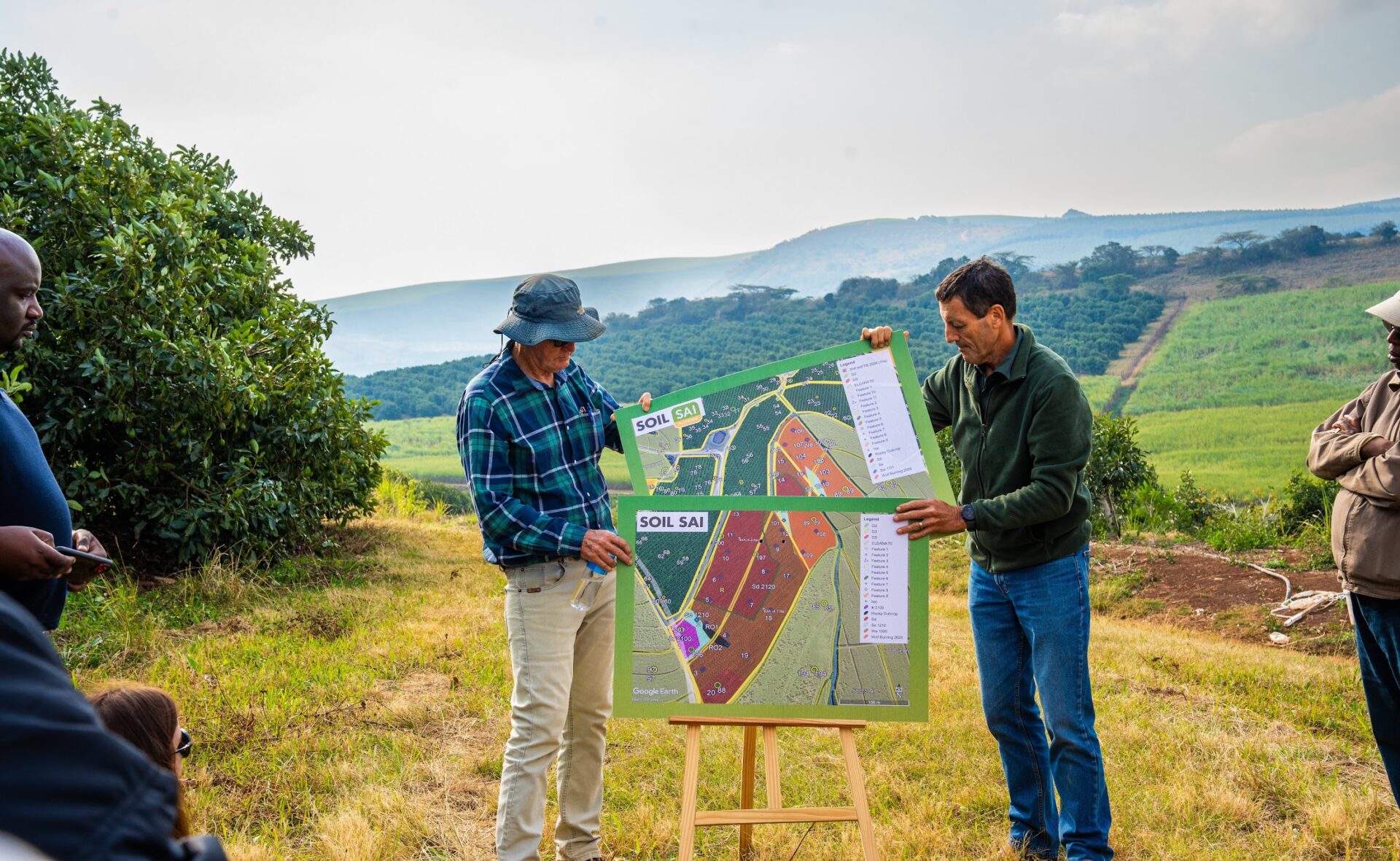
The critical need for the framework’s first step, the context analysis, has been one of the biggest learnings from the piloting phase, says Forster.
Agriculture, after all, is an inherently context-dependent industry where different soils, environments, market access capabilities, and infrastructure dictate what the most useful farm practices should be. For example, some regions are better suited to cover cropping than others.
SAI’s context analysis helps farmers understand the variables of both their specific farm and the land on which it sits, says Forster.
“This context analysis is a key component, because it allows us to apply the framework to different geographies and different production systems,” says Forster.
“We wanted to create a process that would allow the implementer to focus on the local context, where you go step by step to work with the farmer and address what really matters.”
As the program moves into its next phase—slated for June 2026—SAI Platform will focus on scaling the framework and gathering more data. This will involve integrating more digital tools such as measuring, monitoring and verification (MRV) solutions and remote sensing systems.
“Connecting these solutions to the framework is something that will be part of the next development,” says Forster. “We will look into how we gather credible data and verifiable proof points.”