FOOD FOUNDERS Studio—a Zurich-based venture studio seeking to commercialize “breakthrough food technologies trapped in R&D labs, starting with those of European universities”—has raised CHF1.2 million ($1.5 million) and launched its first venture: a startup with “game changing” tech to tackle off-flavors in plant-based foods.
The capital was raised from undisclosed private investors including a prominent Swiss family office serving as anchor investor.
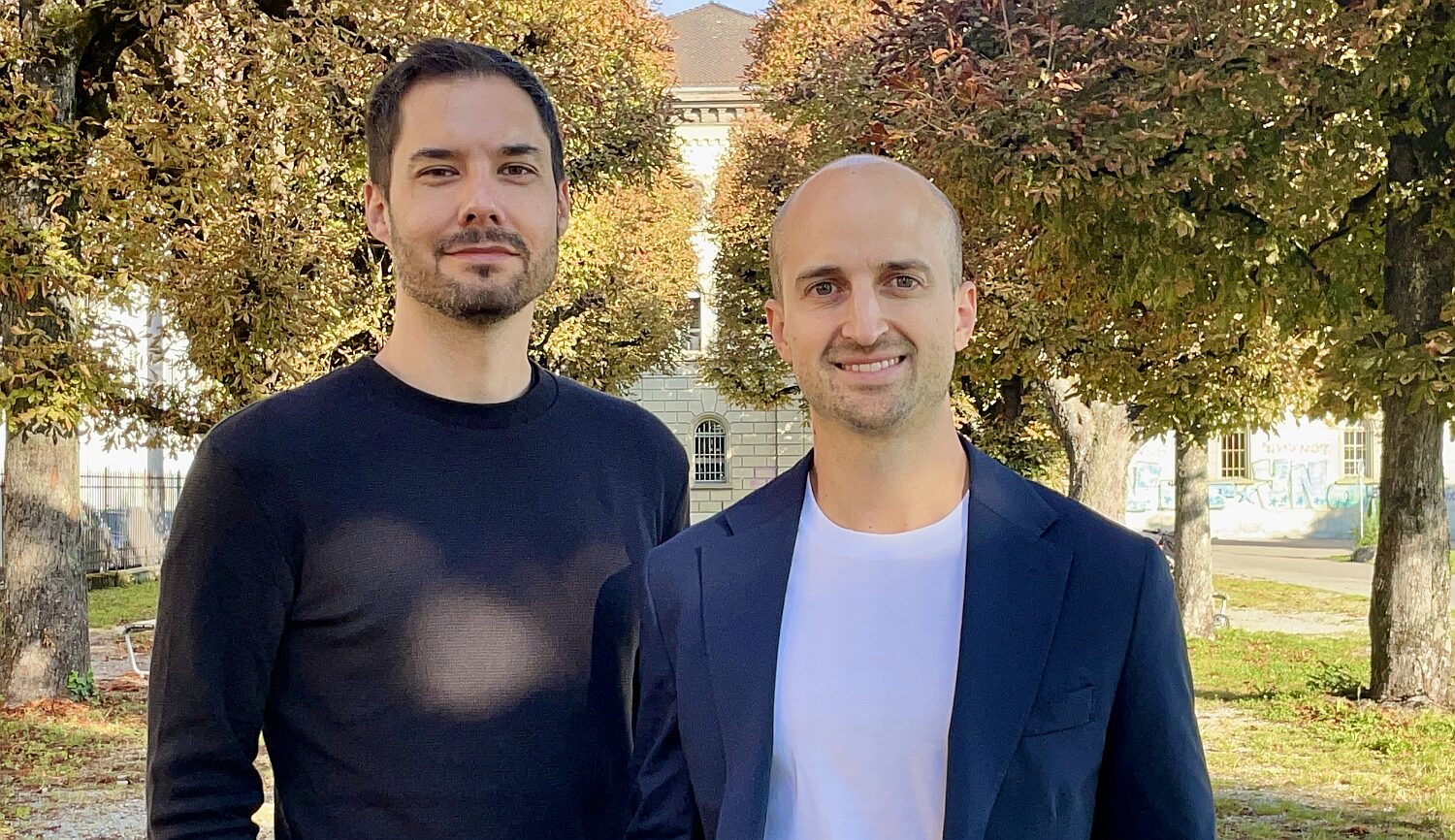
The aim is to transform breakthrough tech into “market-ready b2b startups” say founders Giacomo Cattaneo, who cofounded EverGrain at AB InBev (protein from spent brewer’s grains) and Alexandre Morel, who cofounded cultivated meat startup Mirai.
The studio—which will introduce its advisory board and inaugural CEO shortly—works with university partners, founders, and industry stakeholders to serve “as the bridge that companies starved for R&D resources need to access breakthrough solutions,” says Cattaneo.
“What is unique about our venture studio model is the systematic approach to de-risking food tech innovation,” adds investment director Robert Boer, formerly at Blue Horizon.
Pair initially met with ‘significant resistance from the investment community’
Initially, Cattaneo and Morel were met with “significant resistance from the investment community,” acknowledges Cattaneo. “We heard it all. Sustainable food is not a trend anymore, foodtech is dead. Investors don’t understand venture studios and won’t invest in food anymore. University partnerships take forever…”
And they have a point, he tells AgFunderNews. “You still see a lot of solutions looking for problems and we saw the rise of a certain set of investors that got excited about the newly coined term ‘foodtech’ as if tech was not in food before, and there was this tech push approach.”
But backers willing to part with some cash recognized that “Europe generates incredible food research, and most of it stays trapped in university labs due to ineffective traditional tech transfer mechanisms,” he adds.
“If you look at US universities, or Israeli universities, there is always the thought about patenting in the mind of a scientist, whereas in Europe research grants and publications are the goal. That’s what the incentive structure is built around, so you’re at risk of perpetuating this cycle of academia for the sake of academia.
“The other issue is that from a tech transfer office perspective, other disciplines [outside food] have been sexier and food has always been a little bit of an underdog. At the early stage, food science and food technology is also messy, so the value of IP is more difficult to evaluate and estimate early on.”
Large food companies, meanwhile, frequently work with more established startups via accelerators and external innovation projects, but excitement about high-risk early-stage science is “difficult to sustain over the years necessary to actually translate that project into something with commercial potential,” he notes.
“Then the budget cycle hits, the internal champion rotates, and sooner or later, you’re project number 36 on the pile of an R&D manager.”
In Europe, he claims, “Of all of the commercialized research that comes to market from academia, only 1% is in food, so there are real obstacles there, which is what really triggered me to create a venture studio.”
How the venture studio model works
Under the FOOD FOUNDER Studio model, he says, academics that have developed tech could come in as CTO if the startup requires their deep expertise, they could stay in academia and serve as a consultant, or join the newly created startup at a later date.
Critically, there should be a happy medium between “giving your technology to a company and never seeing it again and dropping everything to run it yourself and make a leap of faith,” he observes. “We’re creating a platform for something in between.”
The first role FOOD FOUNDERS Studio hires for is the CEO, he says. “We need to have a super strong market focus first. And so before we even incorporate the startup or start thinking about scaling it up, we do a lot of market validation, we start sending out samples, we start connecting with industry. And then, based on this, we find the best CEO that can take ownership of this pre-validated opportunity.”
He adds: “The total fundraising for this first cohort is CHF3 million or three startups, so roughly CHF1 million per project sequentially. So we’re going to build three startups, one a year, which in many people’s perspective is a little bit nuts, because we’re not playing the numbers game. I get that, but we don’t have a light touch. We de-risk things by being really hands-on and focusing on bringing ideas to market that we know are truly solving a problem.
“This one venture at a time approach is a little bit unconventional, but I think it’s really worthwhile.”
First venture tackles off flavors in plant-based foods
The first business to emerge from the studio focuses on “one of the plant-based industry’s most significant obstacles: legumes’ off-flavors that prevent mass market adoption,” says Cattaneo.
“I can’t say much more at this stage, but the most beautiful thing about this technology is that it’s simple. You can adopt it tomorrow, if you wanted to, so from an IP perspective and from a disclosure perspective, we’re being very sensitive about it at the moment.
“What I can disclose is that this is a gentle technology that works on primarily starch-based legumes such as peas, fava beans, and chickpeas; it preserves their functionality and is very cost effective with no barriers from a regulatory perspective.”
When he first tried a chickpea milk using the tech, it tasted “80-90% better” than the control, he says. “It was like, holy cow, this is not incremental, this is game changing, and scalable, and it will reduce the need for flavor maskers, which are a major cost driver in any formulation.”