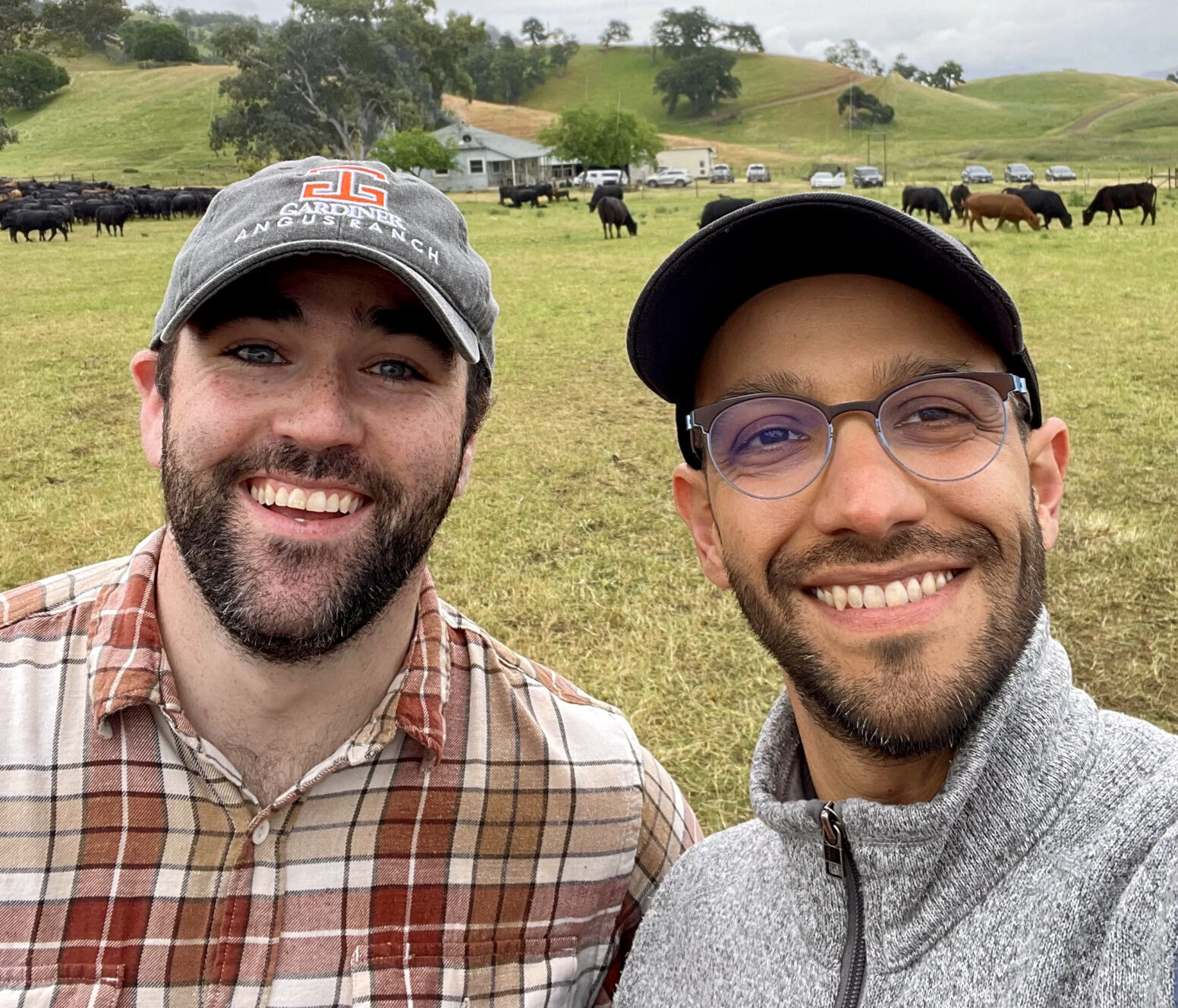
Natural capital project developer Cultivo has acquired carbon grasslands project developer Kateri, known as “the rancher’s carbon company.” Together, the two will advance grassland restoration projects in the U.S. that promise financial returns for both ranchers and investors.
The acquisition is another big step in Cultivo’s goal of evolving nature-based projects from an alternative investment class to another piece of fundamental infrastructure, says Cultivo CEO and cofounder Dr. Manuel Piñuela.
Background:
Cultivo’s core mission is to regenerate degraded or underutilized land at scale, creating financial, social, and environmental benefits in the process.
In addition to its technology platform—which uses AI, satellite imagery, and remote sensing to identify lands with high restoration potential—it also designs and maintains land-restoration projects.
The company builds and operates the projects with landowners, then partners with financial institutions to invest in the projects. Projects generate financial returns for landowners mainly through carbon removal credits corporations can purchase.
Why it matters:
Grassland restoration has been a special focus of late for Cultivo, Piñuela tells AgFunderNews.
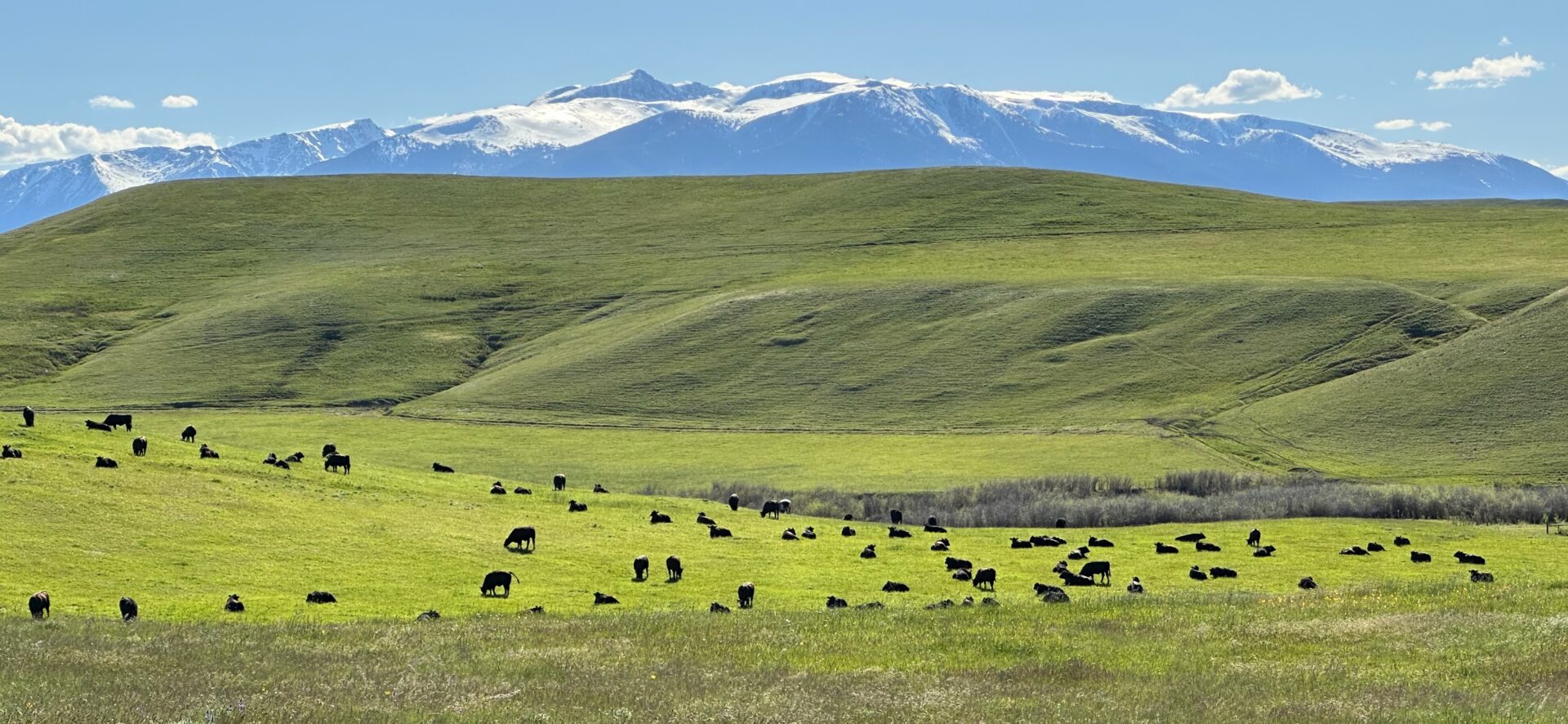
While they cover about one third of Earth’s surface, roughy half of all grasslands are either degraded or destroyed, often because of over-grazing and extractive agriculture practices.
Fueled by a $40 million commitment from Octopus Energy Generation, Cultivo now has a pipeline of grassland restoration projects in the U.S. accounting for about 650,000 acres—roughly equivalent to the land area of Rhode Island.
These projects deploy capital to provide the necessary tools—everything from sensors to virtual fencing setups—ranchers need to restore their land. Cultivo can then help secure offtake agreements that provide revenue to investors.
“It’s a very thorough and institutional process,” says Piñuela.
“The big shift we’re seeing is now is that nature is considered a fundamental infrastructure pillar. That brings long-term, permanent capital to it, rather than than where the industry was six years ago, where those ingredients were there but not really crystalized.”
Grasslands have historically been under-protected and underfunded compared to something like forests, he adds. This is changing as more landowners and project developers better understand the potential for carbon storage and biodiversity gains.
The bigger picture:
The Kateri acquisition equips Cultivo with on-the-ground expertise from actual ranchers in the U.S. who already recognize a need to restore their grasslands.
“That community is very willing to embed new technologies such as virtual fencing and sensors, and to really take the pulse of their landscape,” explains Piñuela.
“Now we have the ingredients, the technology, and a way of engaging with them. We couldn’t do this without [the ranchers] wanting do make those changes.”
Cultivo and Kateri have worked together for the last 18 months; the acquisition will accelerate this growth, says Piñuela. Specifically, Kateri brings “rancher-level engagement” to the equation thanks to its work as a nature-based project developer geared specifically towards that group.
“We now have a series of practices that make those ranches better and bring ranchers additional revenues, and the returns our investors are looking for,” says Piñuela.
“It’s that combination of our technology, our proven financial track record with [Kateri’s] boots-on-the-ground focus on this U.S. market that accelerates the whole mission. That’s what our ranchers want to see as well, as well as our investors.”