What does it actually take to make a new berry variety?
Time, for starters.
Following the recent launch of Bayer’s Baya Solara strawberry, Swanny Chouteau, portfolio lead for EMEA at the company’s Crop Science division, reminded us that nature is still in the driver’s seat when it comes to crop breeding.
“In agriculture, you need to take your time if you want to provide something secure for the growers. They are paying big money and they don’t want something that is risky.”
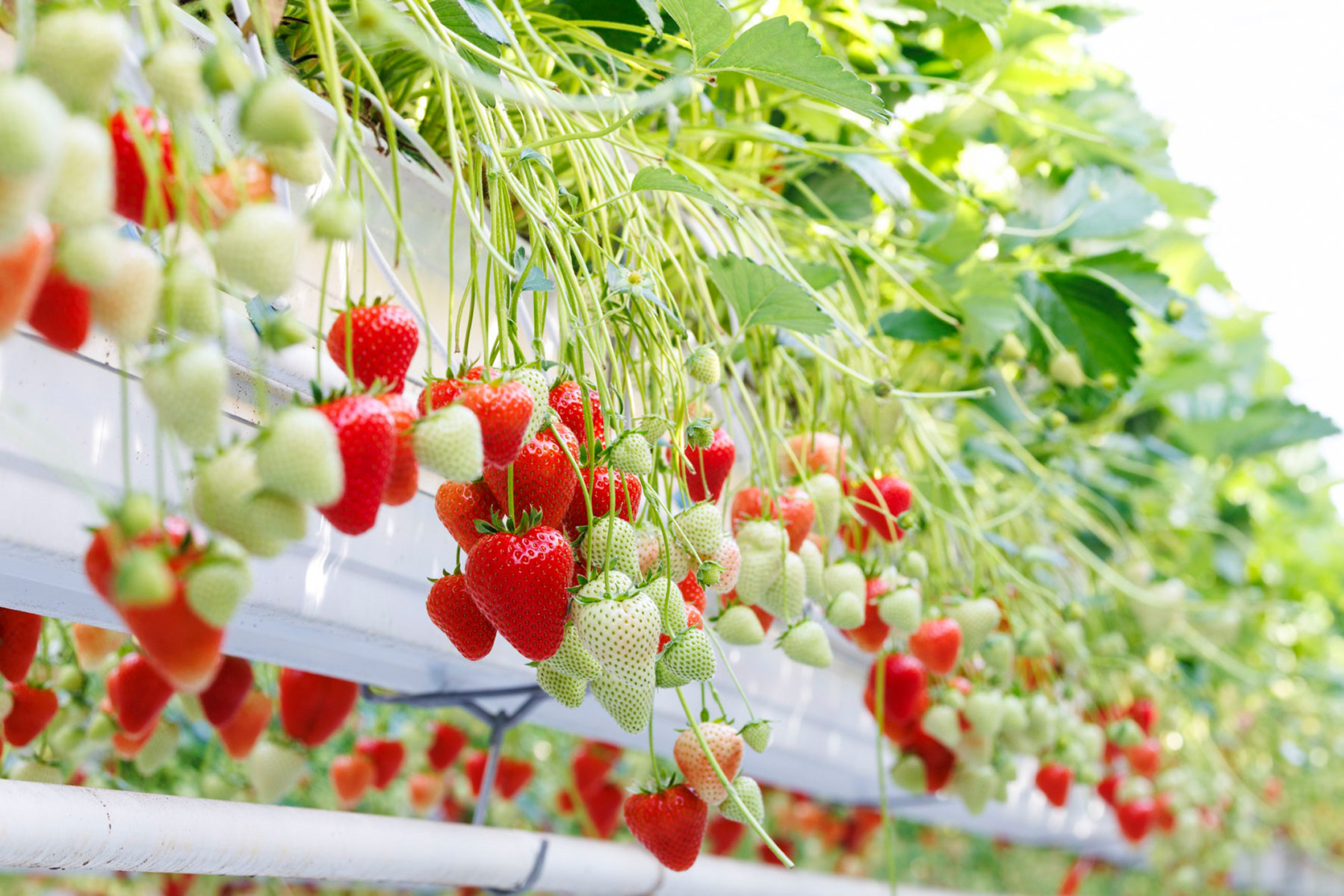
Bayer says its new Baya Solara variety can offer such security thanks to its long shelf life and genetic resistance to diseases such as Phytophthora cactorum, a destructive, soil-borne disease that causes crown and root rot in strawberries.
The berry’s launch follows Bayer’s acquisition of strawberry assets from the UK’s National Institute of Agricultural Botany (NIAB) in 2023. And as Chouteau tells AgFunderNews, it’s just the start of the company’s overall strawberry strategy.
Strawberry demand currently outpaces supply in Europe, the main market for Bayer Solara. Below, Chouteau offers details on how the new variety could help and what it actually took to bring it to market.
AgFunderNews: Tell us more about Baya Solara. What is unique about it?
Swanny Chouteau (SC): First, it’s a June-bearer, mainly for northern European countries. [June-bearers produce a single, abundant harvest per season.]

We advanced this variety for several reasons. It has a very good resistance level against Phytophthora [cactorum]. Especially in northern Europe, the pressure on growers is getting higher because they don’t have a lot of plant protection products to fight against diseases, as those solutions are more and more disappearing from a regulatory perspective. [Growers] therefore desperately need a variety that is resilient to Phytophthora.
It’s also a variety which is high yielding and easy to pick. As labor is one of the key challenges growers are facing, having a variety that is easy to pick is very important.
And when it comes to the consumer side and the retailer side, Baya Solara is a variety which has a very good shelf life, so it will stay fresh longer, with a good taste. So we felt [Baya Solara] is a good combination for both sides of the [supply] chain.
AFN: What different elements do you have to think about when developing a new variety?
SC: First, we need to think many years in advance, because it takes a long time to create a variety—between five to 10 years, depending on the variety.
We always have to think about what solutions will be a good fit for growers. When our breeders are selecting a variety, they need to think about the market needs or requirements five, seven, 10, years from now. We need to anticipate the trends.
Also, we try to anticipate what the economic needs of the grower will be. We know labor is getting more and more costly for growers, they have difficulties finding people to pick the strawberries.
Then along the way, of course, we test many different plants. We try to identify the criteria and to test those criteria in various conditions, to see how varieties will behave in different growing conditions, and if they are growing in a uniform way across the seasons—especially with the ever-changing climate we are facing. So we need to have flexible varieties that work in many different scenarios.
We have very clear guidelines every year to test the different traits we want to assess and different thresholds we want to reach to make the variety move forward.
AFN: Do you anticipate that timeline ever speeding up?
SC: Especially with strawberries, nature is the one driving, and it’s difficult to go much faster. But anyway, you need to validate the right traits and the quality of the variety, which takes time. And we need to validate across seasons. So being faster would be difficult.
In agriculture, you need to take your time if you want to provide something secure for the growers. They are paying big money and they don’t want something that is risky.
AFN: You mentioned a need for flexible varieties. Is this a sign of the times or has this always been a consideration?
SC: This is getting more and more important in all crops as growers need to deal with challenges resulting from climate change.
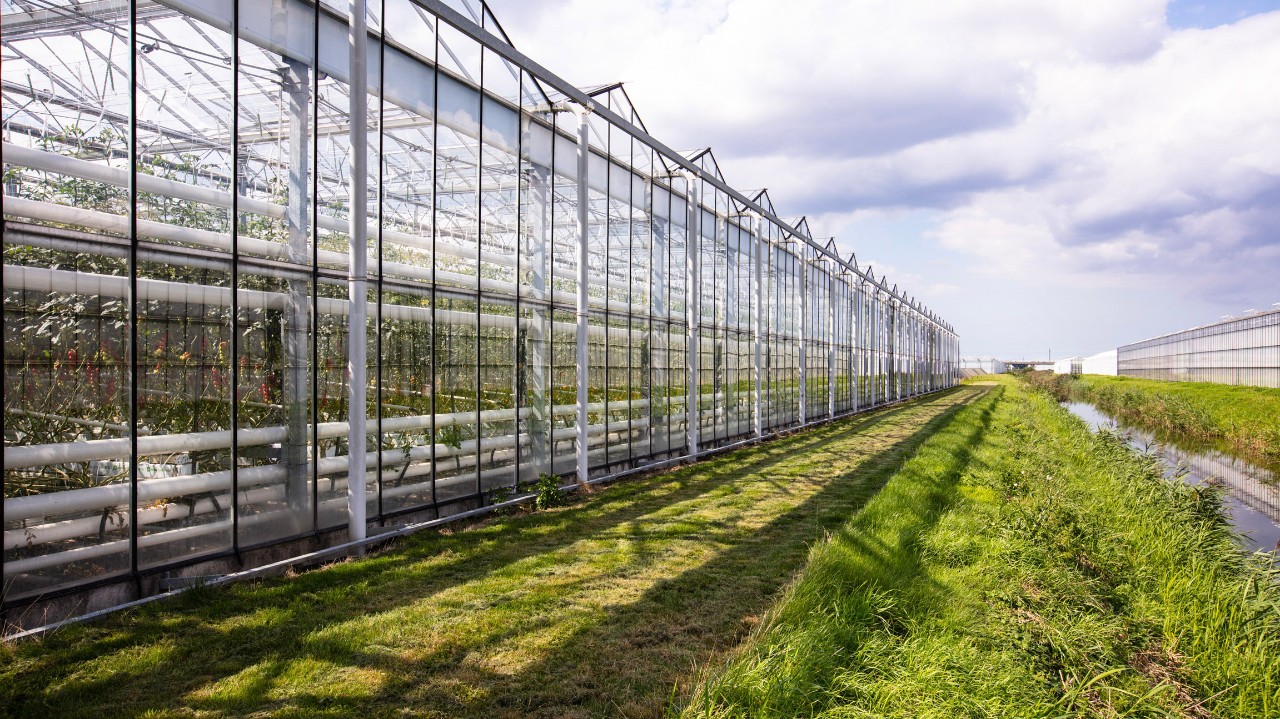
That’s also why the glasshouse environment is getting more and more common, because you can control the climate there. [Breeding for] the greenhouse and in the open field is really important now.
AFN: Elaborate a bit more on Bayer’s strawberry strategy.
SC: We know that the strawberry is one of the fastest-growing crops in the food business, and demand for it is above what the market is currently able to provide.
It’s a very dynamic crop. So we think that with our science, we can bring some good solutions to this market.
On top of this, strawberries are a growing market in some areas where we’re already present, like the glasshouse environment. So there is a synergy there that makes full sense for our portfolio.
We hope that Baya Solara will be only the start. We are also working a lot on everbearing strawberries [which produce smaller, multiple harvests per season versus one] because that’s a market which is growing very fast. We work, for now, mainly in North Europe, but we would like in the coming years to expand to the Americas and Australia as well.

Sign up for our weekly newsletter.